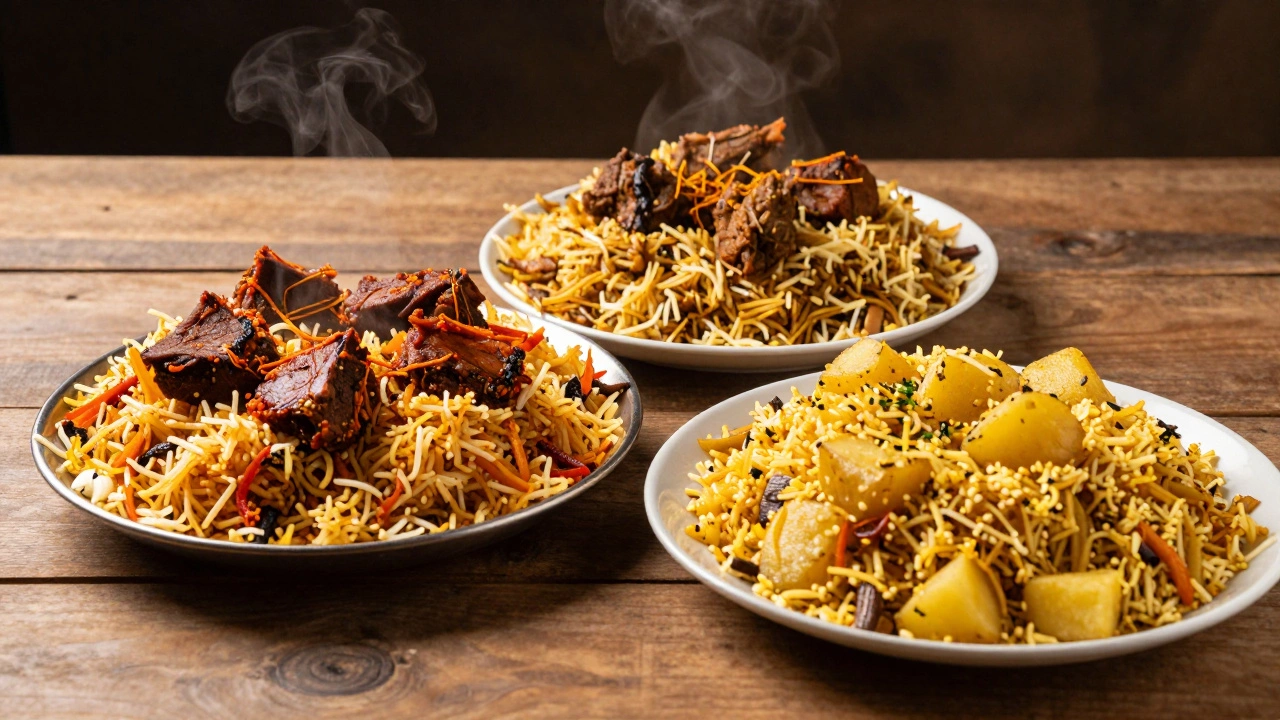
There is no single answer to this question, and that is exactly what makes the dish so fascinating. People travel across continents to find their perfect bowl of spiced rice, yet every region claims the title for itself. You might argue that the rich, aromatic layers of a Hyderabadi style beat everything else, while someone else swears by the subtle, fragrant notes of a Lucknowi version. Taste is subjective, but the techniques and ingredients behind these dishes are factual. Understanding what makes each variety unique helps you decide which one suits your palate best.
The Contenders for the Top Spot
When discussing the biryani is a mixed rice dish that originated in the Indian subcontinent, three main styles consistently rise to the top of the conversation. Each has a distinct history and cooking method that defines its flavor profile.
Hyderabadi Biryani is a dish known for its bold spices and marinated meat. This style hails from the Nizams of Hyderabad. It typically uses raw meat marinated in yogurt and spices, cooked with parboiled rice in a sealed pot. The result is a fiery, intense flavor where the meat and rice blend together. The use of raw meat, known as kacchi, allows the juices to seep into the grains during the slow cooking process.
In contrast, Lucknowi Biryani is a royal style originating from the Awadh region. This is the awadhi style, famous for its subtlety. Here, the meat is fully cooked before being layered with rice. The focus is on the aroma rather than heat. You will find fewer red chilies and more emphasis on saffron, cardamom, and rose water. It is often described as the most elegant version of the dish.
Then there is the Kolkata Biryani is a unique variation influenced by Persian cuisine. This style has a distinct history tied to the Nawab of Awadh fleeing to Kolkata. It is lighter in spices but often includes potatoes, a nod to the limited meat availability during the British era. The rice used is often shorter grain, giving it a stickier texture compared to the fluffy Basmati found in the other styles.
Understanding the Cooking Methods
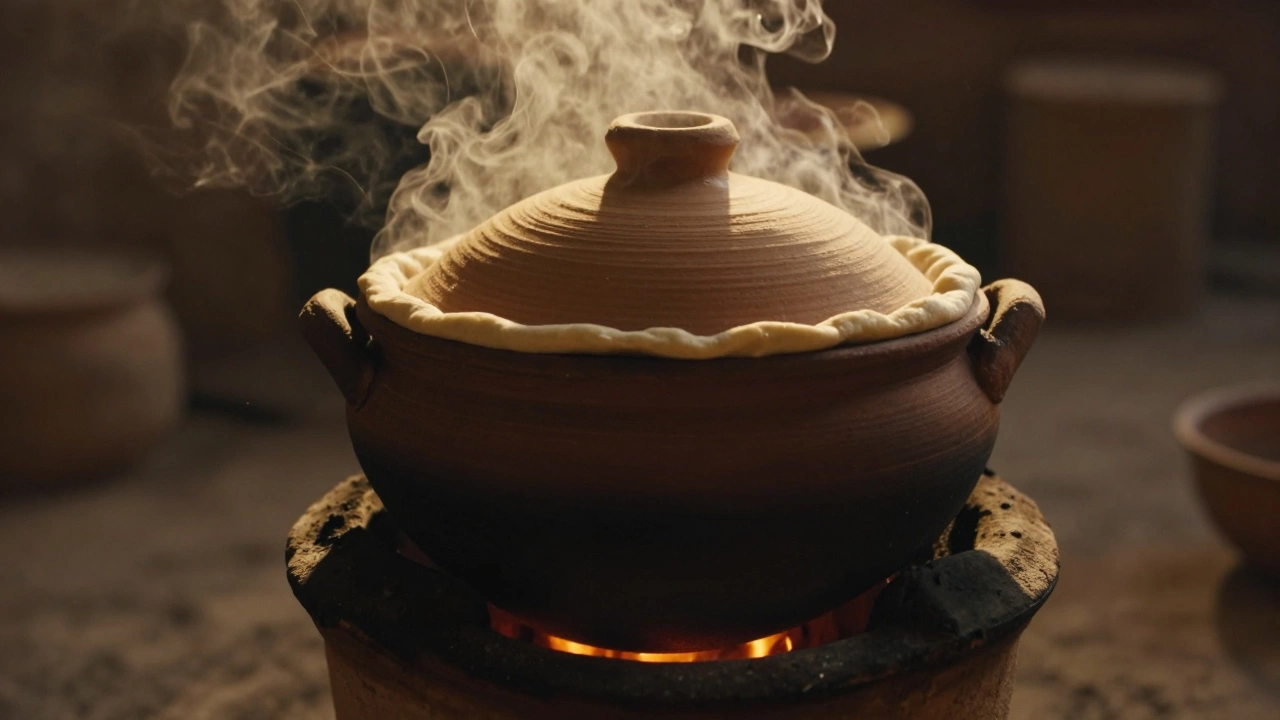
The way the dish is cooked matters just as much as the ingredients. The most famous technique is Dum Pukht is a slow-cooking method where food is sealed in a pot. This method traps steam inside, allowing flavors to meld without boiling away. The pot is sealed with dough, creating a pressure cooker effect before pressure cookers existed. This is why the rice remains separate and the meat stays tender.
Another method is the pakki style. In this approach, both the meat and the rice are cooked separately before being layered. This is common in Lucknowi preparations. It ensures precise control over the doneness of each component. You won't find the meat falling apart, but it will be perfectly cooked through.
The kacchi method, used in Hyderabad, involves layering raw marinated meat with parboiled rice. This is riskier but yields a deeper flavor. The meat cooks in its own juices alongside the rice. If done correctly, the bottom layer develops a khara, a crispy crust that many consider the best part of the meal.
| Style | Meat Prep | Rice Type | Key Flavor |
|---|---|---|---|
| Hyderabadi | Raw (Kacchi) | Basmati | Spicy, Robust |
| Lucknowi | Cooked (Pakki) | Basmati | Fragrant, Subtle |
| Kolkata | Cooked | Short Grain | Light, Potato-infused |
Key Ingredients That Define the Taste
While the method is crucial, the ingredients are the building blocks. The most critical component is the rice. Long-grain Basmati Rice is an aromatic rice variety native to the Himalayas is the standard for most premium versions. It has a high amylose content, which keeps the grains separate and fluffy after cooking. Using the wrong rice can turn the dish into a mushy mess.
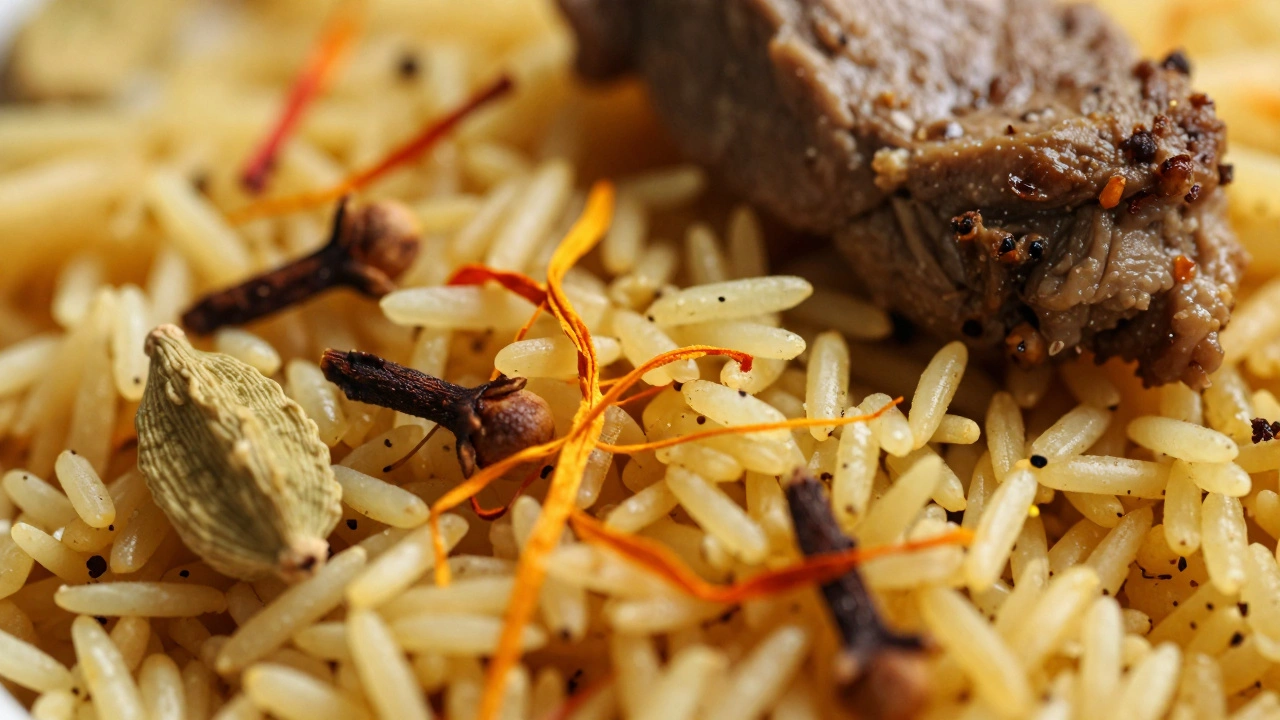
Spices play a massive role. Whole spices like cloves, cinnamon, and cardamom are used to infuse oil or ghee. This spice-infused oil is then poured over the rice. Saffron is a spice derived from the Crocus sativus flower is used for color and aroma. It gives the dish that signature golden hue. Without it, the visual appeal drops significantly.
Meat choice also varies. Mutton or goat is traditional for a rich, gamey flavor. Chicken is more common for everyday meals. Some regions use fish or shrimp, especially in coastal areas like Malabar. The marinade usually includes yogurt, ginger-garlic paste, and green chilies. The quality of the meat directly impacts the final taste.
How to Judge the Quality
When you sit down to eat, how do you know if it is the best? First, smell the aroma. It should hit you before the plate even reaches your nose. If you only smell oil or generic curry powder, it is not authentic. You should detect the scent of cardamom and saffron.
Next, look at the texture. The rice grains should be distinct, not clumped together. If you have to use a fork to separate them, the cooking was rushed. The meat should be tender enough to cut with a spoon but not disintegrate. The layering should be visible. You should see the transition from white rice to yellow rice to the meat layer.
Finally, taste the balance. It should not be overwhelmingly spicy unless it is a specific regional style. The salt, spice, and meat flavors should complement each other. The khara at the bottom should be crispy and slightly burnt, adding a smoky note.
Vegetarian Variations
Not everyone eats meat, and that does not mean you miss out. Vegetarian Biryani is a meatless version using vegetables or paneer can be just as flavorful. Common vegetables include peas, carrots, beans, and potatoes. Paneer or soy chunks are often used to add protein.
The cooking process remains similar. The vegetables are parboiled or sautéed before layering. You must be careful not to overcook the veggies, or they will turn into mush. Using fresh herbs like coriander and mint is essential here to add freshness that meat usually provides.
Regional Twists and Specialties
Beyond the big three, other regions have their own claims. Malabar Biryani is a style from Kerala using short-grain rice uses a different rice variety called Jeerakasala. It is cooked with coconut oil, giving it a distinct tropical aroma. This is often served with a spicy fish curry.
In the North, Ambur Biryani is a spicy dish from Tamil Nadu is famous for its heat. It uses a specific blend of spices and often includes a side of spicy gravy. It is known for being very oily and spicy, catering to those who love a kick.
Each region adapts the dish to local availability. Coastal areas use seafood. Mountainous areas might use more root vegetables. This adaptability is why the dish is so popular globally. It changes to fit the local palate while keeping the core identity.
Conclusion on the Debate
So, which one is the tastiest? It depends on what you crave. If you want bold, spicy flavors, Hyderabadi is your choice. If you prefer subtle aromatics, go for Lucknowi. If you like a lighter, potato-filled meal, Kolkata is the winner. There is no objective winner because taste is personal. The best way to find out is to try them all. Visit a restaurant that specializes in one style, or cook it at home using authentic recipes. The journey of tasting is more important than the verdict.
What is the difference between biryani and pulao?
Biryani involves layering marinated meat with parboiled rice and cooking them together, while pulao cooks rice and meat together in a single pot with less marination.
Which rice is best for making biryani?
Basmati rice is the best choice because of its long grains and aromatic properties, which prevent the dish from becoming sticky.
Can you make biryani without meat?
Yes, vegetarian biryani is very popular and uses vegetables, paneer, or lentils instead of meat.
What is the origin of biryani?
Biryani originated in the Indian subcontinent, with influences from Persian and Mughal cuisines dating back centuries.
How long does biryani take to cook?
Traditional dum biryani can take 2 to 3 hours to cook slowly, while modern pressure cooker methods can reduce this to under an hour.