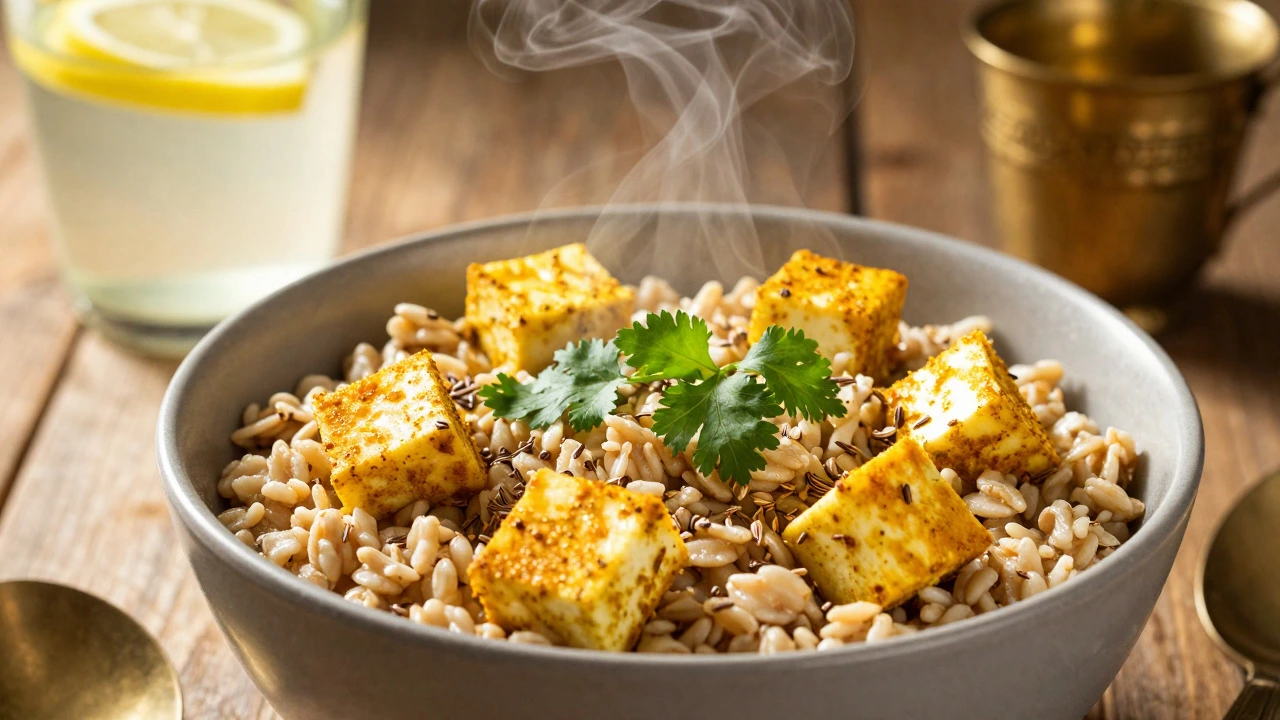
Warrior Breakfast Analyzer
Select Your Meal Components
Choose ingredients to build your breakfast plate. The tool will analyze nutritional balance.
Analysis Result
Select ingredients to see if your breakfast fuels you like a warrior or leaves you crashing by 10 AM.
You wake up with a mission. Maybe it’s an early morning run, a high-stakes work presentation, or just the sheer energy needed to tackle a long day. You don’t have time for a slow-cooked feast, but you also refuse to settle for sugary cereal that leaves you crashing by 10 AM. This is where the concept of Warriors Breakfast, a term gaining traction in fitness and wellness circles, becomes your best friend. But what exactly is it? Is it a specific dish from a ancient text, or a modern nutritional strategy?
In the context of quick, nutrient-dense Indian meals designed for sustained energy and mental clarity, a "Warrior's Breakfast" isn't one single recipe. It’s a philosophy. It combines the timeless wisdom of Ayurveda with modern macronutrient science. It’s about fueling your body like a machine built for endurance, using ingredients that are readily available in any Indian kitchen.
The Core Philosophy: Fuel for Conquest
Think of your body as a temple, or better yet, a fortress. A warrior doesn’t feed their army junk; they provide steady, reliable fuel. In traditional Indian culture, this aligns closely with the principles of Sattvic diet, which emphasizes purity, balance, and energy. However, we’re stripping away the religious dogma and focusing on the biology.
A true Warrior’s Breakfast must hit three non-negotiable targets:
- High Protein: To repair muscles and keep you full. Think eggs, paneer, or lentils.
- Complex Carbohydrates: For slow-release energy, not sugar spikes. Oats, millets, or whole wheat.
- Healthy Fats: For brain function and satiety. Ghee, nuts, seeds, or avocado.
If your morning plate lacks one of these pillars, you aren’t eating like a warrior; you’re snacking like a tourist. The goal is to eliminate the mid-morning fog. No more reaching for coffee because your blood sugar crashed. Instead, you maintain a steady hum of alertness from 7 AM to 2 PM.
Why Traditional Indian Breakfasts Often Fall Short
Let’s be honest. Many popular Indian breakfast options are delicious but metabolically heavy. A plate of Poha (flattened rice) or Upma is primarily refined carbohydrates. Without enough protein or fat, these dishes cause a rapid spike in insulin, followed by a sharp drop. You feel hungry again within two hours.
Similarly, sweetened Idli with coconut chutney can be a sugar trap if the chutney is loaded with jaggery or if you pair it with sugary tea. Even Parathas, while satisfying, are often made with refined maida flour and fried in excessive oil, leading to sluggish digestion rather than energetic vitality.
This isn’t to say you should banish these foods forever. Enjoy them on weekends. But for your daily "Warrior" routine, you need upgrades. You need versions that respect your metabolic health while honoring your taste buds.
Top 5 Warriors Breakfast Recipes for India
Here are five practical, quick-to-make recipes that fit the Warrior criteria. These are designed for busy mornings, taking less than 15 minutes to prepare.
1. Masala Oats with Paneer Cubes
Oats are the king of complex carbs. They contain beta-glucan, a fiber that stabilizes blood sugar. By adding paneer (Indian cottage cheese), you transform a simple porridge into a power bowl.
- Cook ½ cup rolled oats in water or almond milk until soft.
- In a separate pan, sauté onions, tomatoes, green chilies, and turmeric.
- Add small cubes of low-fat paneer and cook for 2 minutes.
- Mix the masala paneer into the cooked oats.
- Top with fresh coriander and a sprinkle of cumin powder.
This dish provides roughly 20g of protein and keeps you full for four hours. It’s savory, spicy, and completely devoid of the sugar crash associated with sweet oatmeal.
2. Ragi Malt with Nuts and Seeds
Ragi (finger millet) is a superfood native to South India. It’s incredibly high in calcium and iron, making it perfect for bone strength and oxygen transport in the blood-critical for physical performance.
- Prepare ragi malt according to package instructions (usually mixing powder with warm water/milk).
- Avoid adding sugar. Use a pinch of cardamom and a teaspoon of honey or jaggery instead.
- Sprinkle generously with almonds, walnuts, chia seeds, and flaxseeds.
The fats from the nuts slow down the absorption of carbohydrates from the ragi, ensuring a steady energy release. This is a classic vegetarian option that packs a serious nutritional punch.
3. Vegetable Egg Bhurji with Multigrain Toast
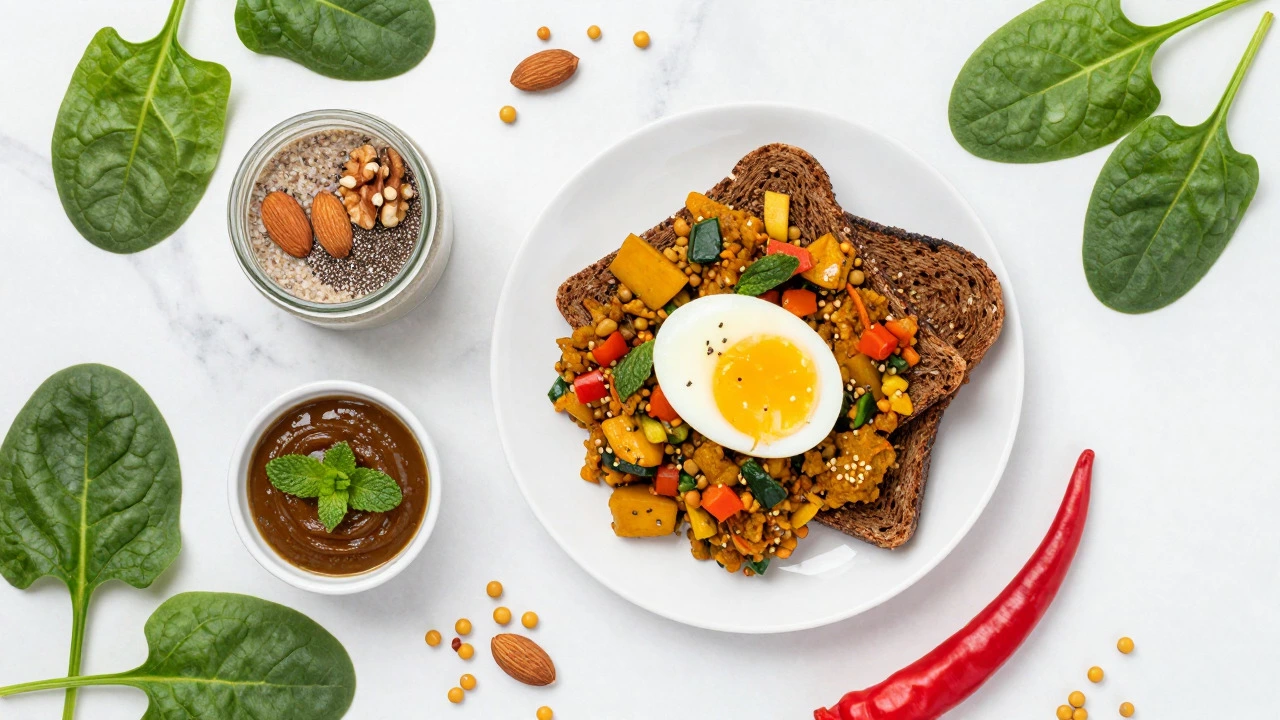
If you eat eggs, this is arguably the most efficient warrior breakfast. Eggs are the gold standard for bioavailable protein. Bhurji (scrambled eggs) allows you to load up on vegetables without extra effort.
- Whisk 2-3 eggs with salt, pepper, and red chili powder.
- Sauté finely chopped onions, capsicum, and spinach in a little ghee.
- Pour in the eggs and scramble until just set.
- Serve on two slices of multigrain or sprouted grain bread.
For an extra kick, add a dollop of Greek yogurt or curd on the side. The probiotics support gut health, which is directly linked to immune function and mood stability.
4. Moong Dal Chilla with Mint Chutney
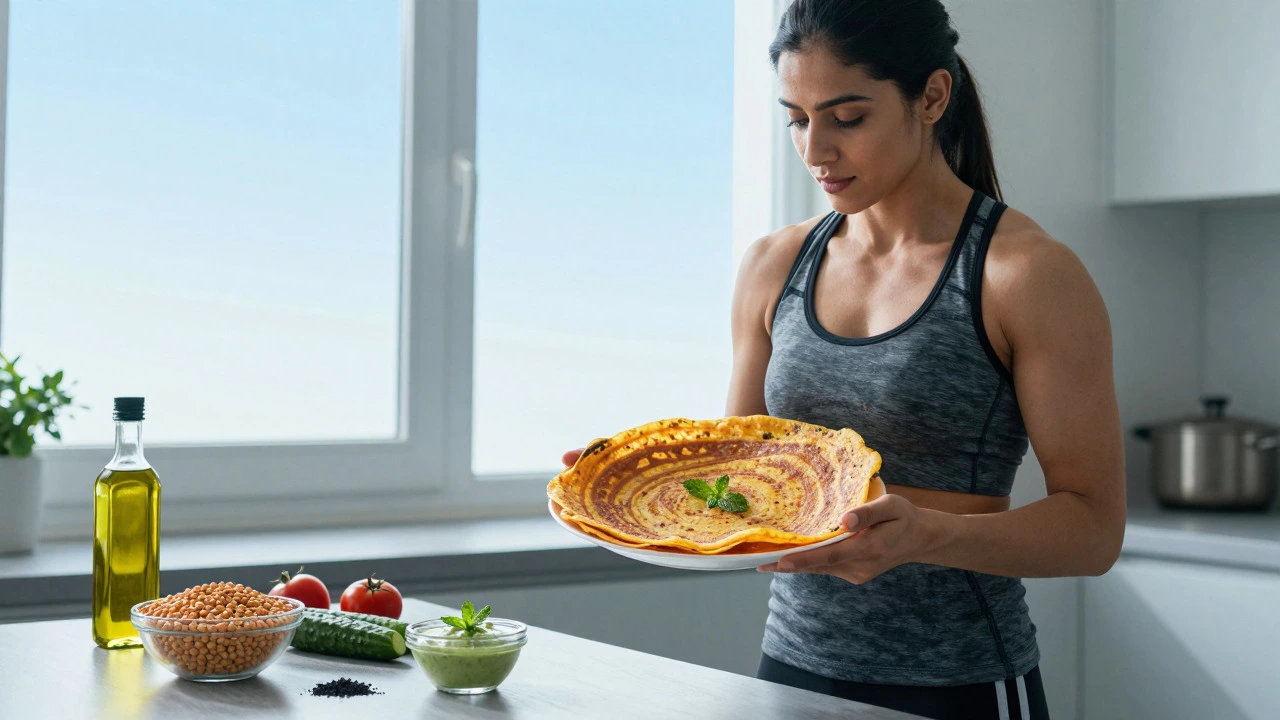
Moong dal (yellow lentils) is easy to digest and rich in protein. Making chillas (pancakes) from soaked and ground moong dal is a staple in North India, but many people make them too thin or serve them with too much sugar-laden chutney.
- Soak ½ cup yellow moong dal overnight. Grind into a batter with ginger, green chili, and salt.
- Add grated carrots and beans for extra fiber.
- Cook on a tawa (griddle) with minimal oil.
- Serve with a homemade mint-coriander chutney (blend mint, coriander, lemon juice, and salt-no sugar).
This gluten-free option is light on the stomach but heavy on nutrients. It’s perfect if you have a workout scheduled shortly after breakfast.
5. Sprouted Moong Salad with Lemon Dressing
Yes, salad for breakfast. If you’re looking for maximum alkalinity and enzyme activity, sprouted moong is unbeatable. It requires no cooking, making it the ultimate "quick" option.
- Take 1 cup of pre-sprouted moong beans.
- Mix with diced cucumber, tomato, and onion.
- Dress with lemon juice, black salt, roasted cumin powder, and a teaspoon of olive oil or ghee.
This might sound unconventional for some, but it’s incredibly refreshing and hydrating. The raw enzymes aid digestion, and the high water content helps start your day hydrated.
The Hydration Factor: More Than Just Water
A warrior’s breakfast isn’t complete without proper hydration. After 6-8 hours of sleep, your body is dehydrated. Drinking plain water is good, but in the Indian context, we have superior alternatives.
Warm water with lemon is the baseline. It jumpstarts liver function and aids digestion. However, consider adding a slice of fresh ginger. Ginger has thermogenic properties, meaning it slightly raises your body temperature and boosts metabolism. It also reduces inflammation, which is crucial if you’re physically active.
Another powerful addition is Haldi Doodh (turmeric milk) or even just warm water with a pinch of turmeric and black pepper. Curcumin, the active compound in turmeric, is poorly absorbed without piperine (from black pepper). This combination acts as a potent anti-inflammatory agent, protecting your joints and muscles before you even start your day.
| Breakfast Item | Protein (g) | Fiber (g) | Glycemic Index | Warrior Rating |
|---|---|---|---|---|
| Poha (Flattened Rice) | 2-3 | 1-2 | High (70+) | Low |
| Idli + Sambar | 4-5 | 2-3 | Medium (50-60) | Medium |
| Masala Oats w/ Paneer | 15-20 | 6-8 | Low (40-50) | High |
| Egg Bhurji + Multigrain Toast | 18-22 | 5-7 | Low (40-50) | High |
| Ragi Malt w/ Nuts | 10-12 | 5-6 | Low (50-55) | High |
Timing and Digestion: The Ayurvedic Perspective
In Ayurveda, digestion is governed by Agni (digestive fire). Agni is strongest between 10 AM and 2 PM, but it begins to kindle in the early morning. Eating a heavy meal immediately upon waking can overwhelm a weak Agni, leading to toxins (Ama) buildup.
To optimize this, try to wait at least 30-60 minutes after waking before eating. Use this time to hydrate and perhaps do some light stretching. When you do eat, chew thoroughly. Digestion starts in the mouth. Rushing through your breakfast because you’re late for work defeats the purpose of a "Warrior" meal. Mindful eating ensures better nutrient absorption and signals to your brain that you are full, preventing overeating later.
Also, avoid drinking large amounts of cold water during or immediately after your meal. It extinguishes the digestive fire. Stick to room temperature or warm beverages. If you drink coffee, wait at least an hour after eating to prevent cortisol spikes from interfering with digestion.
Common Pitfalls to Avoid
Even with the right ingredients, you can sabotage your Warrior Breakfast. Here are the most common mistakes:
- Skipping the Fat: Many Indians fear fat. But hormones are made from cholesterol. A breakfast with zero fat can lead to hormonal imbalances. Always include a source of healthy fat like ghee, nuts, or avocado.
- Overloading on Fruit Juice: Fresh fruit juice is concentrated sugar without the fiber. It causes a glucose spike similar to soda. Eat whole fruits instead, or limit juice to 4 ounces max.
- Ignoring Salt: Electrolytes are crucial for energy. Don’t be afraid of a pinch of rock salt (Sendha Namak) in your morning water or food. It balances sodium-potassium levels, essential for muscle function.
- Using Refined Oil: Fry your parathas or bhajiyas in mustard oil, coconut oil, or ghee. Avoid seed oils like sunflower or soybean oil, which are high in inflammatory omega-6 fatty acids.
Adapting for Different Lifestyles
Not everyone fits the same mold. If you are a vegetarian, rely heavily on legumes, dairy, and soy products like tofu. If you are vegan, ensure you get enough B12 and Iron, possibly through fortified foods or supplements, as plant-based proteins are less bioavailable. For those with diabetes, focus on low-glycemic index foods like ragi, quinoa, and fenugreek-soaked water.
Remember, consistency beats perfection. You don’t need to execute a flawless Warrior Breakfast every single day. Aim for 80% adherence. On the other 20%, enjoy your favorite sweets or street food guilt-free. Balance is the true mark of a warrior.
Is Warriors Breakfast a real historical term?
Not strictly. While ancient texts describe diets for warriors (Kshatriyas), the term "Warriors Breakfast" is a modern colloquialism used in fitness communities to describe high-protein, high-energy meals. It draws inspiration from traditional Ayurvedic principles but applies them to contemporary nutritional science.
Can I eat Warriors Breakfast if I am not athletic?
Absolutely. The benefits of stable blood sugar, sustained energy, and reduced inflammation apply to everyone, regardless of fitness level. It helps with weight management, mental clarity, and overall longevity.
How quickly can I prepare these meals?
Most of the suggested recipes, such as Masala Oats or Egg Bhurji, take under 15 minutes. Prep-ahead strategies, like soaking moong dal overnight or chopping veggies the night before, can reduce active cooking time to 5-7 minutes.
Is it okay to drink coffee with my Warriors Breakfast?
Yes, but timing matters. Wait at least 60-90 minutes after waking before consuming caffeine to allow your cortisol levels to naturally peak and subside. Pairing coffee with a high-protein meal mitigates the negative effects of caffeine on blood sugar.
What is the best Indian breakfast for weight loss?
High-protein, high-fiber options like Moong Dal Chilla, Vegetable Egg Bhurji, or Ragi Malt with nuts are excellent for weight loss. They keep you satiated longer, reducing the urge to snack later in the day. Avoid refined carbs like white bread, poha, and sugary cereals.