Indian Chewing Stuff Identifier
Not sure what that hard snack is? Click on the descriptions below that match what you are tasting.
Sweet & Dense
- Taste Milky, Sweet, Caramelized
- Texture Hard, Fudgy, Chewy
- Shape Round balls or squares
Salty & Crunchy
- Taste Salty, Tangy, Spicy
- Texture Light, Airy, Shatters
- Shape Twisted strips
Result Title
You are eating:
Key Facts
- Ingredient: ...
- Best Paired With: ...
- Origin: ...
The Mystery of "Chewing Stuff" in India
You’ve probably heard it before. A friend comes back from a trip to India with a plastic bag full of hard, sweet discs or crunchy, salty strips. They hand you one and say, "It’s this Indian chewing stuff." You take a bite, and your jaw immediately starts working overtime. It’s not gum. It’s not candy. So, what exactly are you eating?
There isn’t just one answer. The term "Indian chewing stuff" usually refers to two very different things depending on where you are in the country. In the north and west, it’s likely Mawa, specifically in the form of Mawa Laddu or Peda. In Gujarat and Rajasthan, it’s almost certainly Fafda. Both are staples of Indian festivals and daily life, but they couldn’t be more different in taste and texture.
Let’s break down these two contenders so you know exactly what you’re biting into next time.
Mawa: The Sweet, Dense Challenge
If the "chewing stuff" is sweet, dense, and requires serious effort to break apart, you are looking at Mawa, also known as Khoya or Khoa.
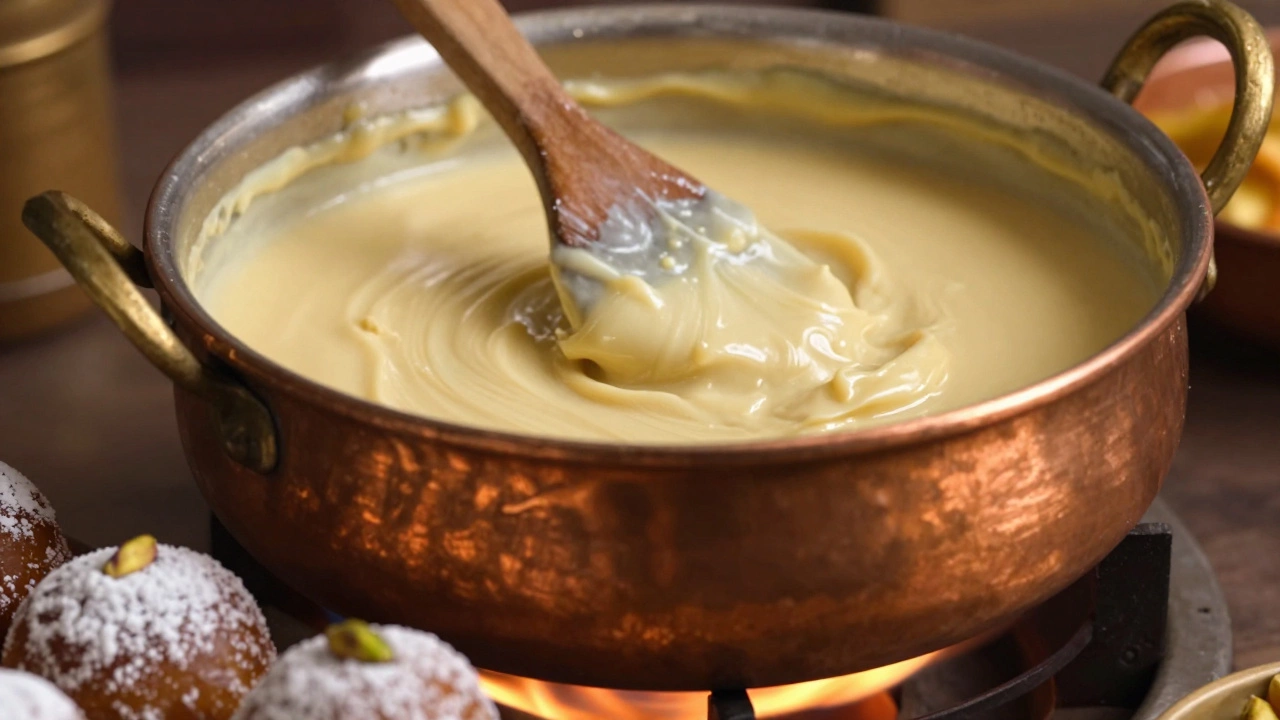
Mawa is essentially reduced milk solids. To make it, liters of milk are simmered over low heat for hours until all the water evaporates, leaving behind a thick, creamy, fudge-like paste. This process concentrates the natural sugars and fats in the milk, creating an intensely rich product.
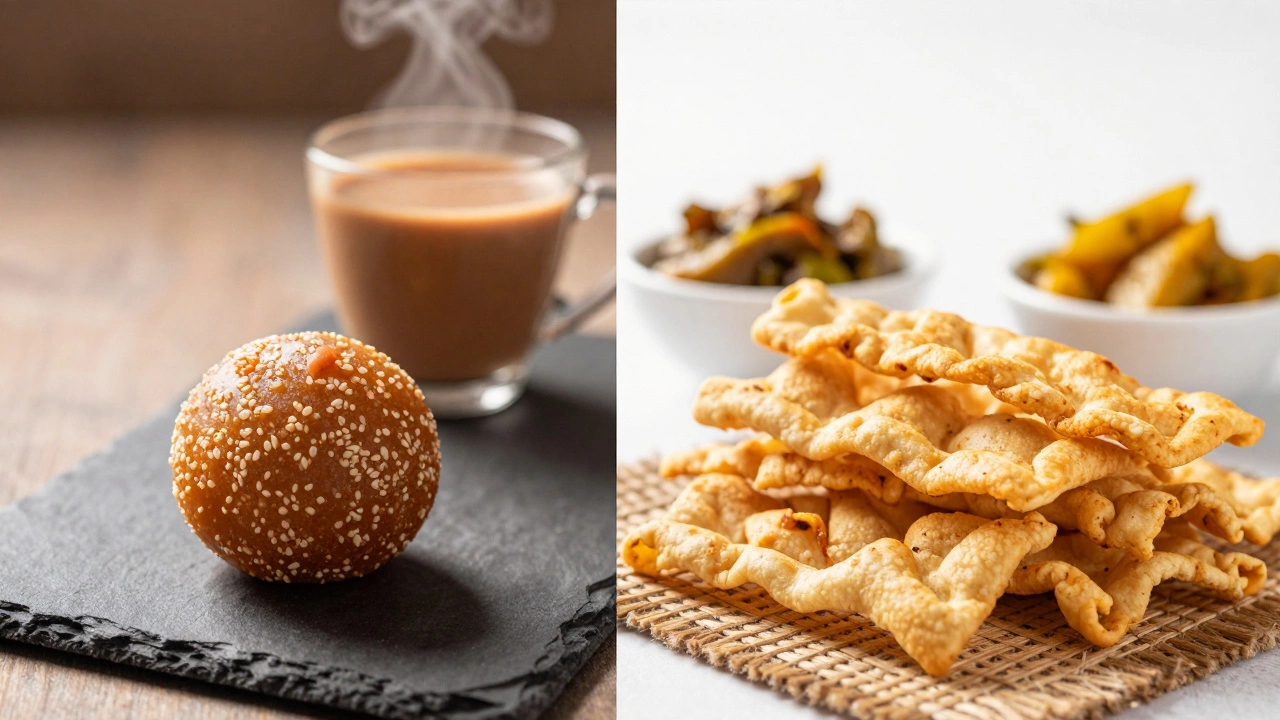
When people talk about "chewing" mawa, they are usually referring to Mawa Laddu. These are round balls made by mixing grated mawa with sugar, cardamom, and sometimes nuts like pistachios or almonds. Because the mawa is dry and compacted tightly, a single laddu can feel like a small brick in your mouth. You don’t just swallow it; you have to chew it thoroughly to release the flavor.
This density is part of its appeal. Mawa has a high caloric value and a deep, caramelized milk flavor that regular sweets lack. It’s a staple during Diwali and Holi, often gifted in boxes. If you’ve ever struggled to get through a box of homemade sweets while visiting an Indian home, mawa was likely the culprit.
Fafda: The Salty, Crunchy Staple
Now, let’s look at the other side of the coin. If the "chewing stuff" is salty, fried, and looks like twisted strips of dough, you’re dealing with Fafda.
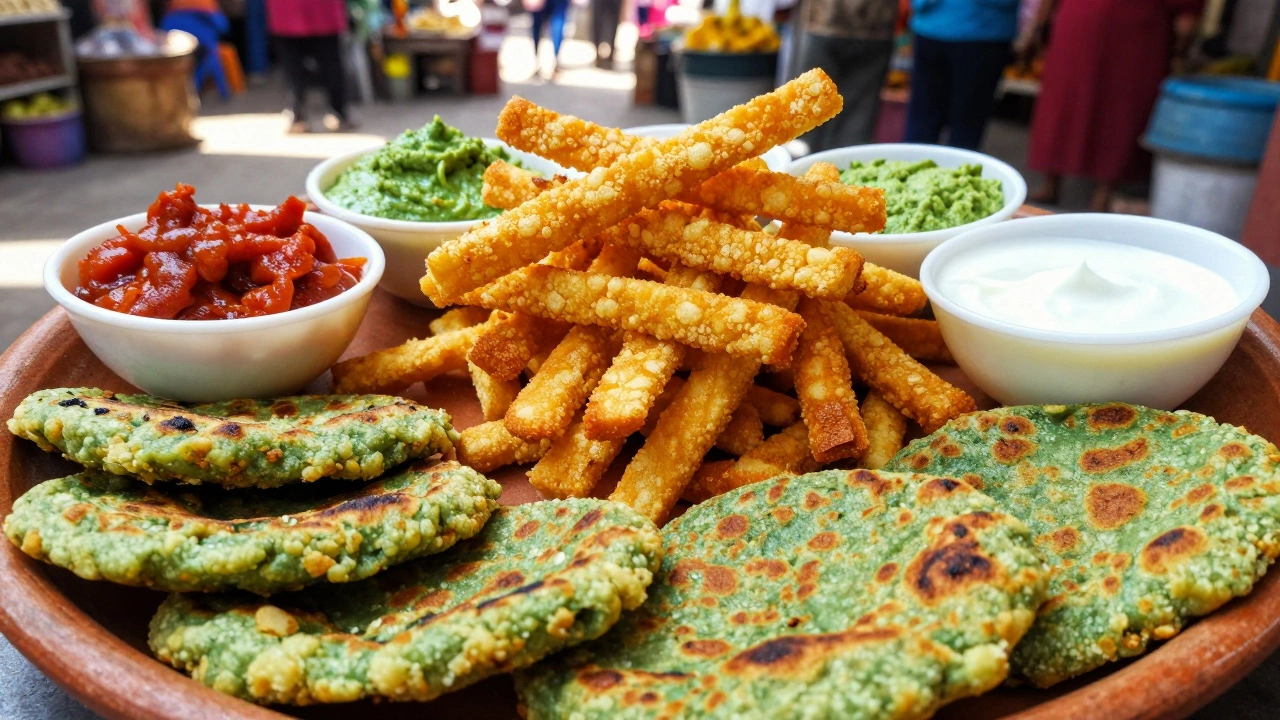
Fafda is a popular savory snack from Gujarat and Rajasthan. It is made from gram flour (besan) batter, which is rolled out thin, cut into strips, and deep-fried until crisp. The result is a light, airy, yet incredibly crunchy strip that shatters when you bite it.
Why would someone call this "chewing stuff"? Well, while it’s crispy, it’s also substantial. Fafda is rarely eaten alone. It’s typically served as part of a larger meal called Thepla-Fafda. You pair the dry, crunchy fafda with soft, spiced flatbreads (thepla), pickles, chutneys, and yogurt. The contrast between the soft thepla and the hard fafda creates a unique textural experience that keeps you busy chewing.
Fafda is also famous for being shelf-stable. Unlike fresh bread, fafda can stay crunchy for days if stored properly. This makes it a favorite for travelers and office workers who need a quick, satisfying snack that doesn’t require refrigeration.
How to Tell Them Apart
So, how do you know which one you have? Here is a quick guide:
- Taste: Sweet and milky? It’s Mawa. Salty and tangy? It’s Fafda.
- Texture: Dense and fudgy? Mawa. Light and crispy? Fafda.
- Shape: Round balls or squares? Mawa Laddu or Peda. Long, twisted strips? Fafda.
- Origin: Northern/Western India? Likely Mawa. Gujarat/Rajasthan? Likely Fafda.
| Feature | Mawa (Laddu/Peda) | Fafda |
|---|---|---|
| Primary Ingredient | Reduced Milk Solids | Gram Flour (Besan) |
| Taste Profile | Sweet, Caramelized | Salty, Spicy, Tangy |
| Texture | Dense, Hard, Chewy | Crispy, Light, Crunchy |
| Common Pairings | Tea, Coffee | Thepla, Pickle, Yogurt |
| Shelf Life | Short (Refrigerate) | Long (Room Temp) |
Other Contenders for "Chewing Stuff"
While Mawa and Fafda are the most common answers, there are a few other Indian foods that might fit the description.
Khejur Chaat: In some parts of India, dried dates are coated in spices and sold as a snack. They are sticky and require significant chewing.
Mathri: Similar to fafda but shaped like small circles or diamonds. Mathri is also made from gram flour and is extremely crunchy.
Gur (Jaggery):** Raw jaggery blocks are sometimes sold as a standalone treat. They are hard, unrefined sugar cubes that you slowly chew on rather than eat quickly.
Why Do Indians Love "Chewy" Foods?
There’s a cultural reason why these dense, chewy foods are so popular. In Indian cuisine, texture plays a huge role in satiety. Foods that require more chewing keep you fuller for longer because your brain registers the act of eating more clearly. This is especially important for breakfast items like fafda-thepla, which are meant to sustain energy levels throughout the morning.
Additionally, many of these foods are designed for sharing. A box of mawa laddus is passed around during festivals, encouraging slow consumption and conversation. The physical act of breaking apart a hard sweet becomes a social ritual.
How to Enjoy "Indian Chewing Stuff" Like a Local
If you’re trying these foods for the first time, here are some tips to enhance the experience:
- Pair with Hot Tea: Mawa laddus are best enjoyed with a strong cup of masala chai. The hot liquid helps soften the dense mawa, making it easier to eat.
- Add Pickle to Fafda: Never eat plain fafda. Add a dollop of spicy mango pickle or green chili chutney to balance the blandness of the fried dough.
- Don’t Rush: These aren’t fast foods in the Western sense. Take your time. Let the flavors develop as you chew.
- Store Properly: Keep mawa in the fridge to prevent spoilage. Store fafda in an airtight container to maintain crunchiness.
Final Thoughts
Next time someone hands you "that Indian chewing stuff," you’ll know exactly what to expect. Whether it’s the sweet, milky challenge of mawa or the salty, crunchy delight of fafda, these foods offer a unique window into India’s diverse culinary landscape. They’re not just snacks; they’re experiences that engage your senses and connect you to centuries of tradition.
Is Mawa healthy?
Mawa is high in calories, fat, and sugar because it is made from concentrated milk solids. While it provides protein and calcium, it should be consumed in moderation due to its high calorie density.
Can I eat Fafda every day?
Fafda is deep-fried and high in carbohydrates and sodium. Eating it daily may lead to weight gain and health issues. It is better enjoyed as an occasional breakfast or snack.
What is the difference between Mawa and Khoya?
Mawa and Khoya are essentially the same thing. "Mawa" is the term used in North India, while "Khoya" is more common in South India. Both refer to reduced milk solids.
Where can I buy authentic Fafda?
Authentic Fafda is widely available in Indian grocery stores, especially those specializing in Gujarati or Rajasthani products. Look for brands like Shree Ram or local artisanal producers.
Why does Mawa Laddu feel so hard?
Mawa Laddu is made by tightly packing grated mawa with sugar. The lack of moisture and the compaction process create a dense, hard texture that requires chewing.