Whole Spices in Biryani: What They Are, Why They Matter, and How to Use Them
When you think of whole spices in biryani, a set of aromatic seeds, pods, and bark used whole to infuse slow-cooked rice dishes with layered flavor. Also known as whole masala, these spices are the quiet backbone of every great biryani—never ground, never rushed, always toasted to release their soul. Unlike powdered spices that dissolve quickly, whole spices like cardamom, cloves, and cinnamon stay intact, releasing their oils slowly during the dum cooking process. That’s why restaurant biryanis taste deeper than home versions: they didn’t skip the whole spices. They waited for them to speak.
These spices aren’t just flavor boosters—they’re time machines. Each one carries regional history. Black cardamom from the Himalayas gives smokiness. Star anise from the south adds a sweet, licorice note. Cinnamon sticks, not powder, hold their shape and sweetness through hours of steaming. Bay leaves? They don’t just smell good—they calm the heat and balance the richness. And cumin seeds? Toasted in ghee before the rice goes in, they’re the first whisper of flavor you catch before the meat even hits your tongue. These aren’t optional garnishes. They’re the foundation.
People think biryani is about the rice or the meat. It’s not. It’s about the spice blend for biryani, a precise combination of whole spices that defines regional styles from Lucknow to Hyderabad. In Lucknow, they use more saffron and mace. In Hyderabad, they throw in dried rose petals and more black pepper. In Kerala, they add curry leaves and fennel. The same spices, different ratios, different stories. That’s why you can’t just buy a pre-mixed biryani masala and call it done. You need to understand what each whole spice does—and when to add it. Too early, and they burn. Too late, and they taste raw.
And then there’s the biryani masala, the traditional mix of whole spices toasted, ground, or used as-is depending on the recipe. It’s not a single blend. It’s a family of blends. Some cooks fry whole spices in oil first. Others add them to the meat while it simmers. A few even roast them separately and grind them fresh. Each method changes the outcome. The key? Don’t treat them like seasoning. Treat them like instruments in an orchestra. One wrong note, and the whole dish falls apart.
You’ll find posts here that explain why your biryani tastes flat—often because someone skipped the whole spices or used stale ones. Others show you how to toast them right, how long to fry them, and which ones to remove before serving (yes, you take out the big ones). There are guides on how to buy them fresh, how to store them so they don’t go dull, and even which ones are non-negotiable for authentic results. This isn’t about following a recipe. It’s about understanding the rhythm of the spices.
So if your biryani keeps tasting like plain rice with chicken, it’s not the technique. It’s the spices. And once you learn how to listen to them, you’ll never make it the same way again.
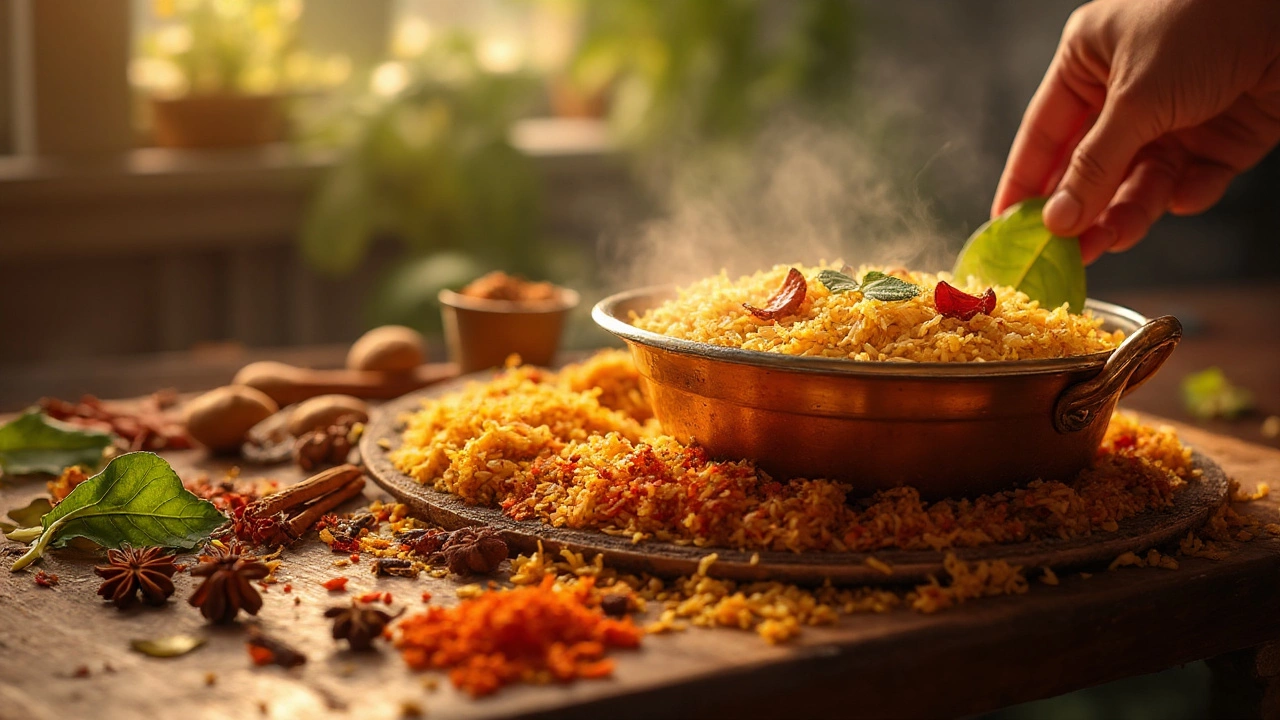
What Are the Black Things in Biryani? Spices That Make Your Biryani Pop
Ever wondered what those black things are in your biryani? Dive into this detailed guide on whole spices, their flavor, health perks, and pro tips for the perfect plate.
Read More