Traditional Indian Sweet
When you think of traditional Indian sweet, a category of rich, often milk-based desserts deeply rooted in regional customs and festive rituals. Also known as mithai, it’s not just sugar and spice—it’s memory, hospitality, and identity wrapped in a bite. From the sticky, syrup-soaked gulab jamun, deep-fried milk dumplings soaked in cardamom-scented syrup to the soft, spongy rasgulla, cottage cheese balls boiled in light sugar syrup, originating in Bengal, each sweet tells a story. These aren’t modern inventions—they’re passed down through generations, made in homes during Diwali, weddings, and temple festivals, often using nothing but milk, sugar, and patience.
What makes these sweets different from other desserts? It’s the milk. Most traditional Indian sweets start with milk that’s slowly reduced for hours, sometimes over low heat, until it thickens into khoya, a dense, caramelized milk solid that’s the base for barfi, peda, and more. You won’t find baking powder or artificial flavors here. The magic comes from slow cooking, careful stirring, and the right balance of sweetness. Even the tools matter—copper pots, wooden spoons, and hand-rolled balls aren’t just tradition; they affect texture and taste. And while you might see these sweets in fancy gift boxes today, their roots are in everyday kitchens where grandmothers taught their daughters how to tell if the syrup was ready by dropping a bit into cold water.
These sweets aren’t just eaten—they’re shared. Giving a box of barfi, a firm, cut square made from condensed milk and flavored with nuts or rose to a neighbor isn’t just polite—it’s a gesture of connection. That’s why you’ll find regional variations everywhere: in Punjab, you’ll get rich, ghee-heavy barfi; in Maharashtra, it’s coconut-laced shankarpali; in Gujarat, it’s the delicate, rose-scented jalebi. Each one reflects local ingredients, climate, and history. And while some recipes use dairy alternatives now, the classics still rely on full-fat milk, paneer, and ghee—not because they’re outdated, but because nothing else delivers that same richness.
What you’ll find in the posts below isn’t just recipes. It’s the real talk—why your rasgulla turned rubbery, how to fix soggy gulab jamun, which sugar syrup stage works best, and why some sweets can’t be rushed. You’ll see how milk becomes something magical when treated with care. Whether you’re making these for the first time or you’ve been cooking them for years, there’s something here that’ll make you pause, taste again, and maybe even call your aunt for advice.
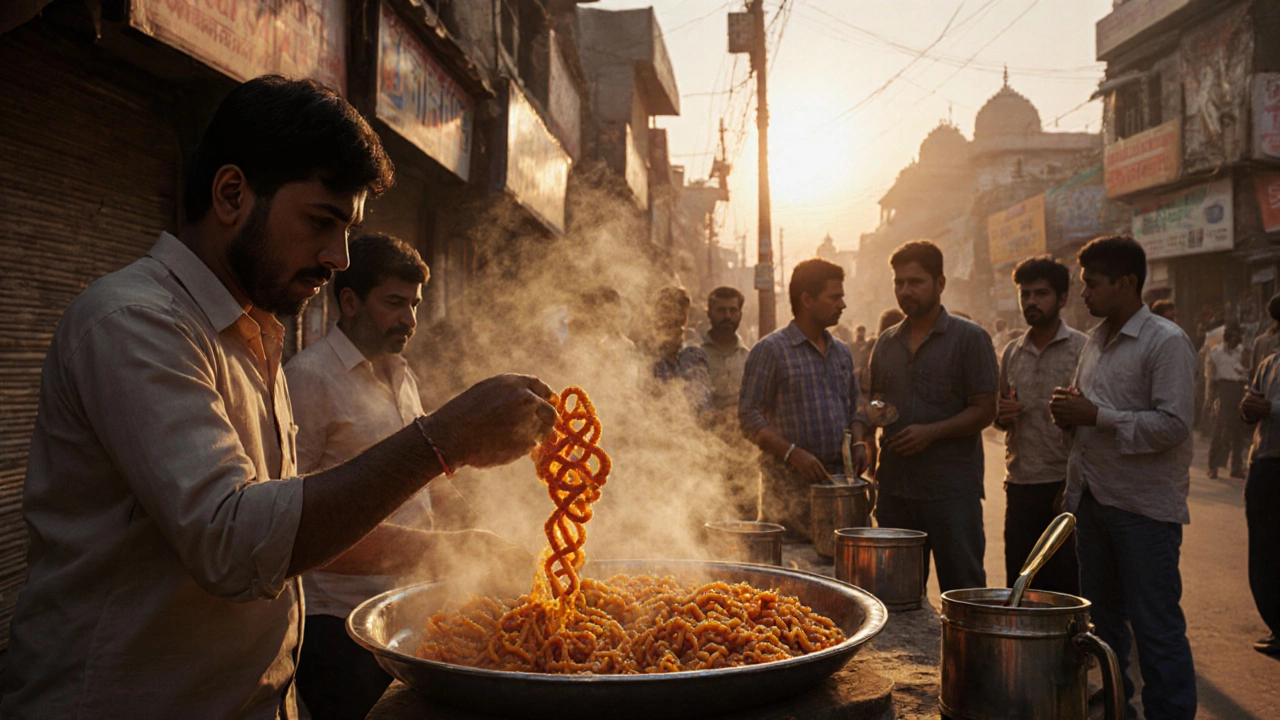
What Is the Traditional Sweet of India? Top Regional Sweets and Their Stories
India doesn't have one traditional sweet-it has many. Jalebi, rasgulla, and gulab jamun are among the most beloved, each tied to region, festival, and family. These sweets are made with milk, jaggery, and spices, and are still prepared the same way for centuries.
Read More