Traditional Indian Breakfast: Authentic Morning Meals and How to Make Them
When you think of a traditional Indian breakfast, a daily meal rooted in regional flavors, fermentation, and milk-based ingredients that kickstarts the day across India. Also known as Indian morning food, it’s not just about eating—it’s about ritual, texture, and balance. Unlike Western breakfasts that lean on toast or cereal, India’s morning meals are built on slow-fermented batters, fresh cheese, spicy chutneys, and cooling raitas. These aren’t trendy dishes—they’ve been passed down for centuries because they work: they digest easily, fuel the body, and taste better the longer you let them sit.
At the core of this tradition is dosa, a crispy fermented rice and lentil crepe that’s golden, light, and served with coconut chutney and sambar. Also known as fermented batter dish, it’s the breakfast that turns patience into flavor. Then there’s idli, steamed rice cakes made from the same batter, soft and fluffy, perfect for dipping. And let’s not forget paneer, fresh Indian cheese made by curdling milk with lemon juice or vinegar, often fried and served with onions, tomatoes, or in parathas. These aren’t side dishes—they’re the main event. Each one relies on milk, time, and simple tools, not fancy gadgets. You don’t need a blender to make idli batter. You just need rice, dal, water, and a warm corner of your kitchen.
What ties them all together? Fermentation. It’s not just about sour taste—it’s about digestibility, nutrition, and texture. The same lactic acid bacteria that turn dosa batter tangy also break down starches and proteins, making them easier for your body to handle. That’s why so many Indian families eat these meals daily, even when they’re sick. And because milk is central to so many of these dishes—from raita to paneer to kheer—it’s no surprise that Indian breakfasts naturally balance protein, carbs, and fat without needing processed ingredients.
You’ll find variations everywhere: in the south, it’s masala dosa with potato filling; in the north, it’s parathas stuffed with paneer or spinach; in the east, it’s cholar dal with rice. But they all share the same rhythm: slow, intentional, and deeply connected to the land and the seasons. The posts below show you exactly how to get the crispiness right on your dosa, why your batter turns sour (and how to control it), how much paneer you can pull from a gallon of milk, and which acids give you the firmest cheese. You’ll also learn what to eat with dal, how to keep roti soft all day, and why skipping fermentation for yeast ruins the whole thing. This isn’t a collection of random recipes—it’s a guide to the real, unfiltered morning meals that millions of Indians eat without a second thought. Whether you’re cooking for the first time or you’ve been at it for years, there’s something here that will make your breakfast better tomorrow.
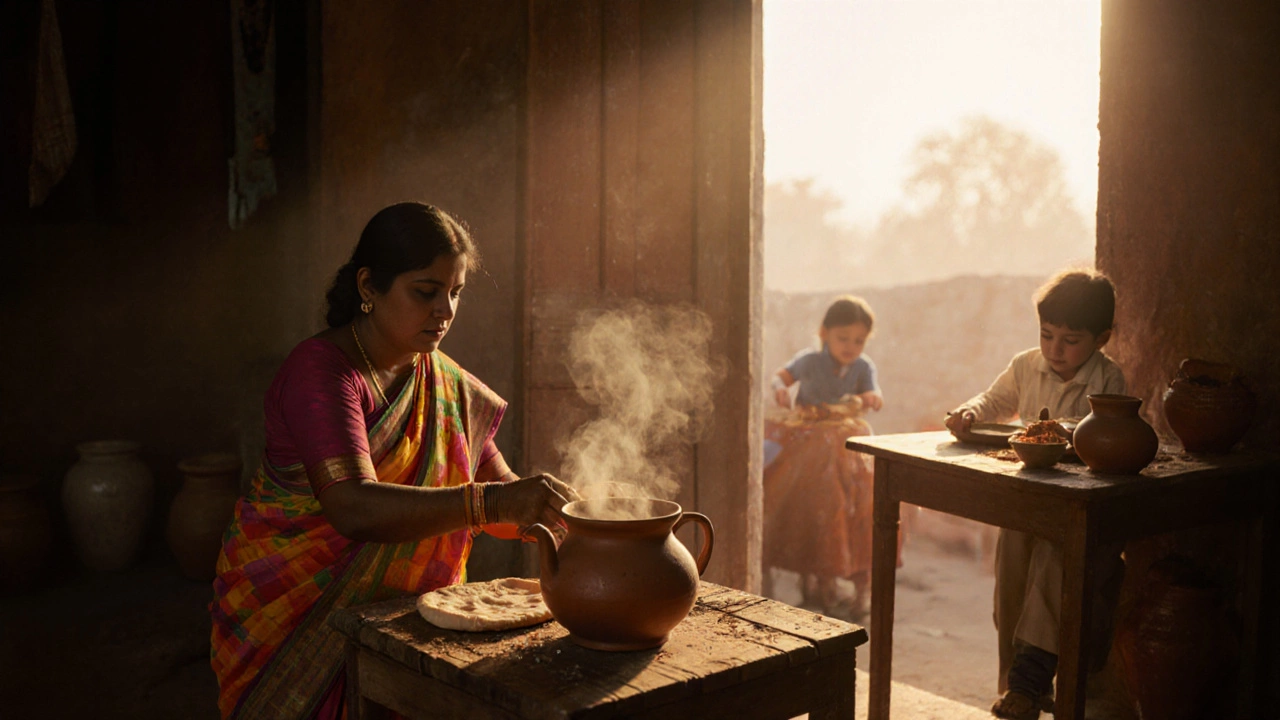
Why Breakfast Matters in Indian Households
Breakfast in India isn't just a meal-it's a vital source of energy, nutrition, and cultural connection. From idlis to poha, traditional morning meals fuel long workdays and support long-term health.
Read More