Spice Identification: Learn to Recognize Indian Spices Like a Pro
When you're holding a spoonful of spice identification, the process of recognizing Indian spices by their color, aroma, and texture. Also known as spice recognition, it's the first skill you need before you can cook Indian food well. Most people think it's just about memorizing names. But it's really about learning how your senses connect to flavor—what that earthy smell means, why some spices look like tiny pebbles, and how a pinch can change a whole dish.
Take cumin, a small, oval, beige seed with a warm, nutty scent. It's everywhere—in dal, biryani, even raita. But if you confuse it with caraway, a similar-looking seed that tastes more like licorice, your curry will taste off. Then there's turmeric, a bright yellow powder that stains everything. You can't miss it, but you might not know it's not just for color—it's the reason your rice stays fluffy and your digestion improves. And cardamom, those green pods that smell like citrus and smoke? That’s the spice that turns simple milk into kheer.
Spice identification isn’t about buying every jar on the shelf. It’s about knowing what you’ve got. If you’ve ever opened a container and thought, "Is this coriander or cumin?"—you’re not alone. Even seasoned cooks mix them up when the labels wear off. The trick? Smell them raw. Crush a few seeds between your fingers. Watch how they behave in hot oil—some sizzle fast, others take their time. Turmeric turns oil yellow. Cumin turns it golden-brown. Fennel seeds pop when they’re ready. These aren’t tricks. They’re signals.
You’ll find this knowledge in the posts below—not as a lecture, but as real-life fixes. One post explains why your biryani tastes flat (probably because you used ground coriander instead of whole). Another tells you why your dosa batter didn’t ferment right (hint: it’s not the temperature—it’s the fenugreek seeds you forgot to soak). There’s even a guide on what to do when your spice jar has no label. These aren’t theory lessons. They’re the kind of tips you learn from your aunt, your neighbor, or the street vendor who’s been doing it for 40 years.
Spice identification isn’t magic. It’s practice. And once you start noticing the difference between a whole clove and a ground one, or why mustard seeds pop in hot oil but not cold, you’ll never cook the same way again. The next time you open your spice rack, you won’t just see ingredients—you’ll see flavor waiting to happen.
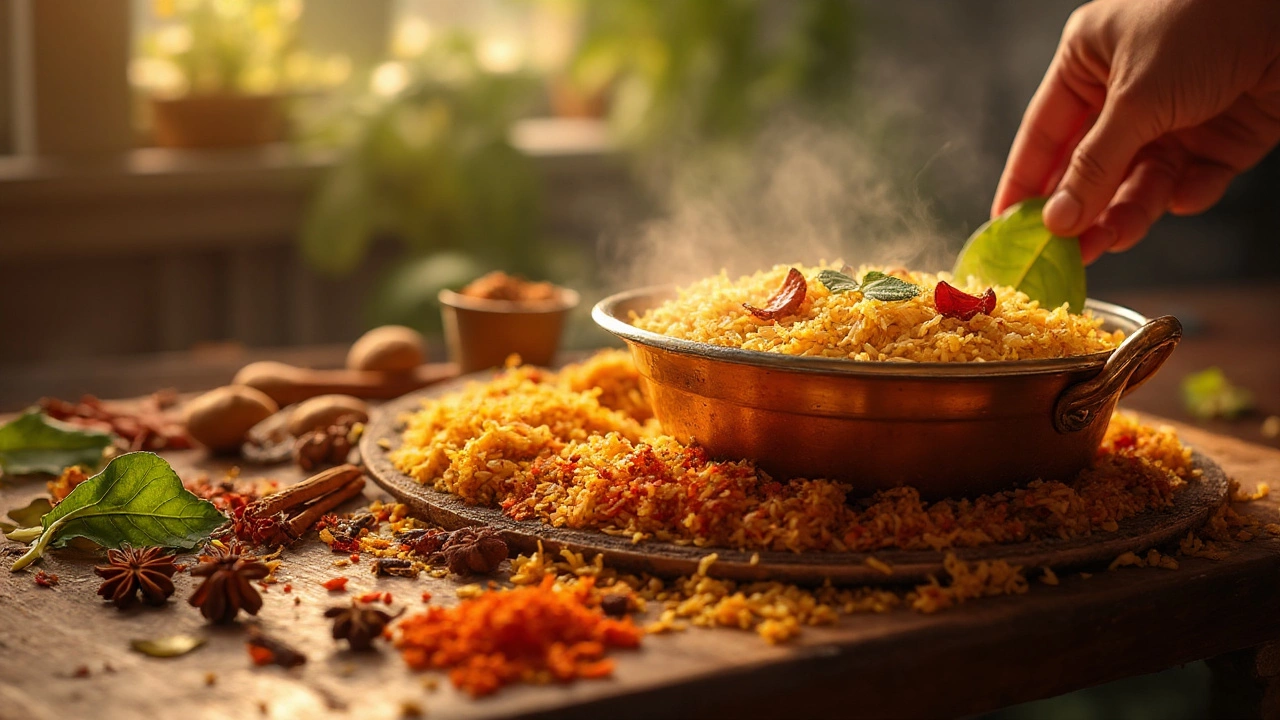
What Are the Black Things in Biryani? Spices That Make Your Biryani Pop
Ever wondered what those black things are in your biryani? Dive into this detailed guide on whole spices, their flavor, health perks, and pro tips for the perfect plate.
Read More