Safe Food in India: What’s Really Safe to Eat and How to Avoid Risk
When you think about safe food in India, the combination of bold flavors, diverse ingredients, and widespread street vendors that make Indian cuisine unique, but also raise questions about hygiene and health. Also known as Indian food safety, it’s not about avoiding street food—it’s about knowing what to look for and what to skip. Many travelers worry about getting sick, but the truth is, millions of Indians eat street food daily without issue. The difference? They know the signs of clean preparation.
Street food in India, a vibrant part of daily life, ranges from crispy dosas and spicy samosas to grilled paneer skewers and fresh lassi. Also known as Indian street cuisine, it’s often safer than you think because it’s cooked fresh, served hot, and turnover is high—meaning food doesn’t sit around long enough to spoil. Look for vendors with a steady crowd, especially locals. If people are waiting in line, it’s a good sign. Watch for clean utensils, gloves or tongs used for serving, and oil that’s clear—not dark and gunky. Avoid anything sitting out uncovered, or drinks with ice from unknown sources. The real risks come from pre-cut fruit, raw salads, and milk products that aren’t properly refrigerated.
Food hygiene in India, isn’t about sterile kitchens—it’s about smart practices passed down through generations. Also known as Indian cooking safety, it includes boiling water for tea, using lemon juice or vinegar to clean surfaces, and frying food at high heat to kill bacteria. Home kitchens often follow these rules without even thinking about them. For example, dosa batter ferments naturally because lactic acid bacteria outcompete harmful ones. Paneer made from slightly sour milk? That’s not a mistake—it’s a traditional way to use dairy safely before it goes bad. The most common mistakes tourists make? Eating raw vegetables from roadside stalls, drinking tap water, or assuming all dairy is safe. Stick to boiled milk, freshly made yogurt, and hot, oily foods. Curries with lots of spices? Those are actually safer—the spices like turmeric and garlic have natural antimicrobial properties.
It’s not about fear. It’s about awareness. You don’t need to avoid Indian food to stay safe—you just need to know what to choose. Whether you’re eating biryani from a family kitchen or a crispy jalebi from a street cart, the same rules apply: hot, fresh, and cooked in front of you is your best bet. The posts below give you real, practical advice on what’s safe, what to watch out for, and how to enjoy every bite without worry. From dosa batter fermentation to paneer made from broken milk, you’ll see how Indian cooking has built safety into its traditions—not as an afterthought, but as a core part of the process.
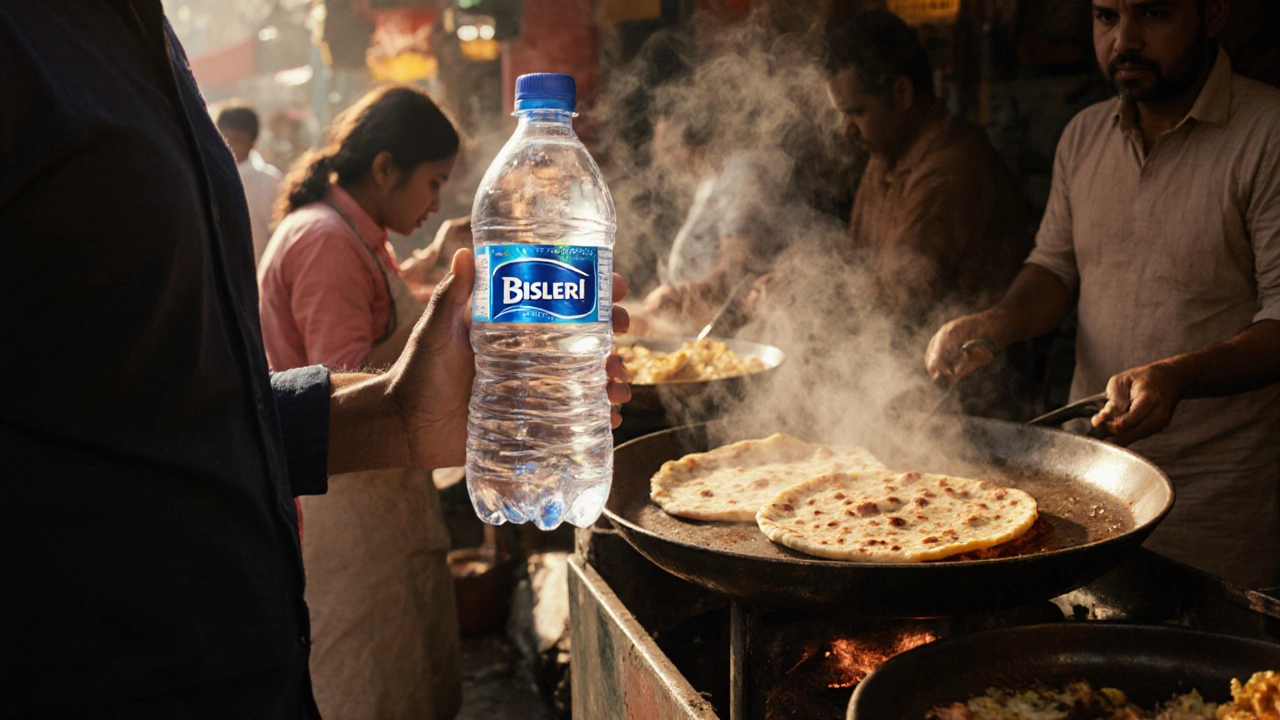
How to Avoid Getting Ill in India: Safe Eating Tips for Travelers
Learn how to enjoy Indian food safely without getting sick. From drinking bottled water to choosing hot, fresh street food, these simple tips help travelers avoid food poisoning and stomach issues in India.
Read More