How to Remove Bitterness from Dal: Simple Fixes for Better Taste
When you cook dal, a staple lentil dish in Indian households made from split pulses like toor, moong, or chana. Also known as lentil curry, it’s meant to be comforting, earthy, and rich—not bitter. That sharp, unpleasant taste? It’s not normal. It’s usually caused by one of three things: under-soaked lentils, old spices, or skipping the tempering step. The good news? It’s easy to fix.
Soaking dal, the practice of letting lentils sit in water before cooking to soften them and reduce anti-nutrients. Also known as pre-soaking pulses, it’s not optional if you want to avoid bitterness. Most people skip this or soak for just 15 minutes. That’s not enough. For toor dal, soak at least 2 hours. For chana dal, go for 4. This isn’t just about texture—it stops the natural compounds in the lentils from turning bitter during cooking. And don’t forget to rinse well after soaking. Starchy water left on the dal can make things taste off.
Then there’s the tempering, the process of frying whole spices like cumin, mustard seeds, and dried red chilies in hot oil or ghee to release their oils and flavor. Also known as tadka, it’s what transforms bland dal into something alive with aroma. Skip this, and your dal will taste flat and sometimes bitter, especially if you’re using older turmeric or asafoetida. Always heat the oil until it shimmers, then add the spices. Let them sizzle for 10 seconds—just until they pop. Don’t burn them. Burnt spices = bitter dal. And yes, a pinch of sugar or a squeeze of lemon at the end can balance any leftover sharpness. It’s not cheating—it’s tradition.
Some people think bitterness comes from the lentils themselves. But if you’re using fresh, high-quality dal from a trusted source, that’s rarely the case. More often, it’s the cooking rhythm you’ve missed. You don’t need fancy tools. Just patience with soaking, care with the spices, and the right timing for the tempering. The difference between a good dal and a great one? It’s not in the recipe—it’s in the details.
Below, you’ll find real fixes from real cooks who’ve been there. Whether it’s how to choose the right dal, which spices to avoid when they’re old, or why some people add a piece of tamarind to cut bitterness, we’ve collected the most practical tips—no fluff, no guesswork. Just what works.
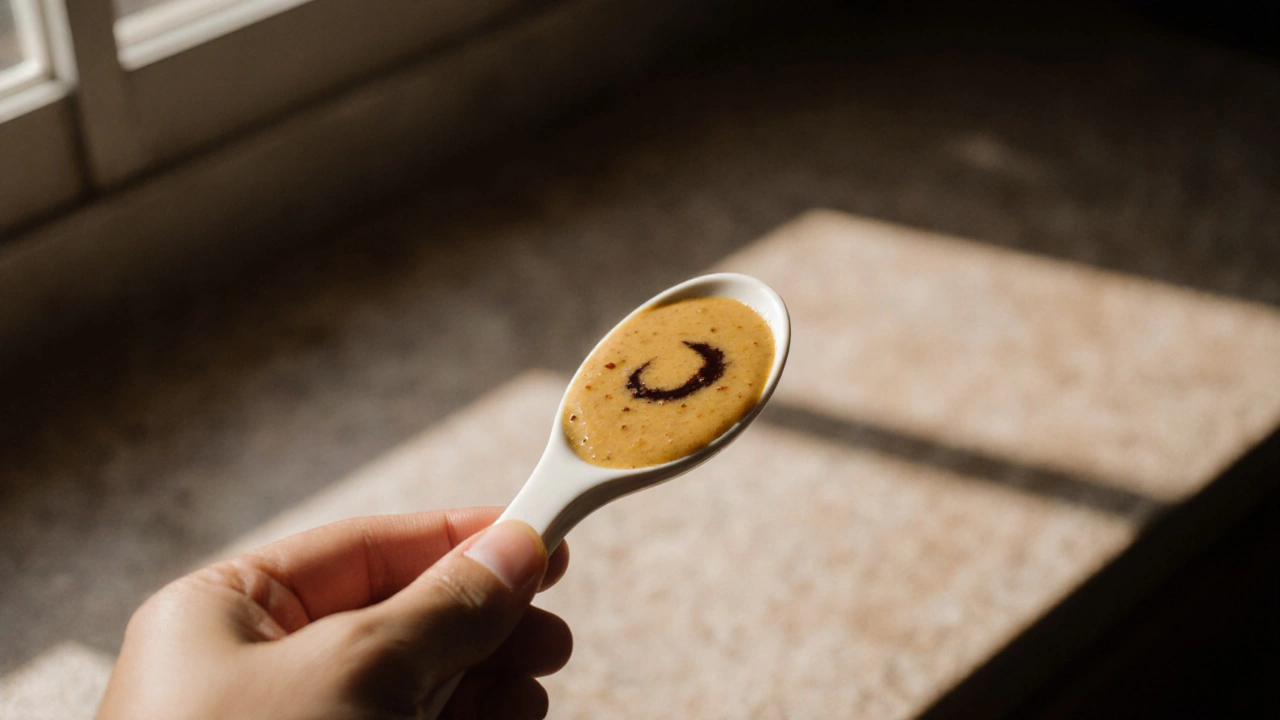
Why Is My Dal Bitter? Common Causes & Simple Fixes
Learn why dal can turn bitter, how to prevent it, and quick fixes to rescue a batch. Covers water quality, spices, cooking tips, and a handy checklist.
Read More