Relish Ingredients: What Makes Indian Flavors Pop
When you think of Indian food, you might picture rich curries or fluffy naan—but the real magic often comes from the small, bold sides: the relish ingredients, tangy, spicy, or sweet condiments that cut through richness and awaken the palate. Also known as chutneys and pickles, these aren’t just garnishes—they’re flavor architects that turn a simple meal into something unforgettable.
Think of tamarind, a sour fruit pulp used in chutneys and dals to add depth and balance. It’s the secret behind the tang in samosa chutney and the backbone of many South Indian dishes. Then there’s mango pickle, a spicy, oily, fermented condiment made with raw mango, mustard seeds, and fenugreek—a pantry staple in households across India that lasts for months and adds punch to rice, roti, or even plain yogurt. And let’s not forget yogurt raita, a cooling blend of curd, cucumber, and cumin that tames spicy biryanis and kebabs. These aren’t random additions; they’re intentional pairings that balance heat, fat, and acidity.
Relish ingredients work because they’re built on contrast. A plate of spicy chicken tikka needs the chill of raita. A heavy dal needs the zing of lemon pickle. A plain rice bowl comes alive with a spoonful of coconut chutney. These aren’t fancy restaurant tricks—they’re everyday wisdom passed down through generations. You’ll find them in the posts below: how to fix a bland biryani with the right raita, why Jain diets avoid certain pickles, how fermentation turns simple ingredients into flavor bombs, and why the white liquid served with biryani isn’t just milk—it’s raita, carefully made with yogurt, spices, and time.
What makes these ingredients so powerful isn’t their rarity—it’s how they’re used. A pinch of asafoetida in a pickle. A dash of roasted cumin in chutney. A few drops of mustard oil. These aren’t just seasonings—they’re the soul of the meal. And if you’ve ever wondered why your homemade dal feels flat, or why your dosa tastes better with a side of mint chutney, the answer starts with these small, bold flavors. Below, you’ll find real, practical posts that show you exactly how these relish ingredients work, how to make them, and how to use them so your food doesn’t just taste good—it tastes right.
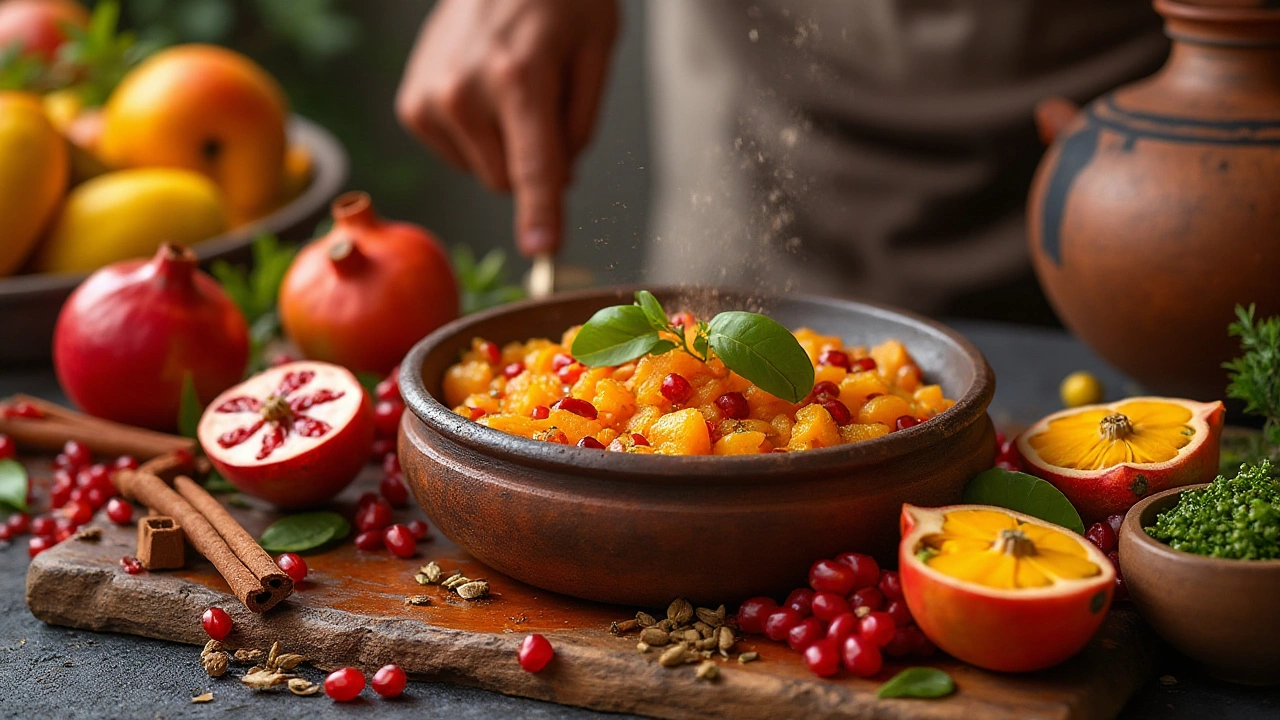
Understanding the Unique Flavors of Chutney vs Relish
Chutneys and relishes both serve as delightful condiments, enhancing meals with their unique flavors. Chutneys often possess a more complex flavor profile, derived from a blend of fruits, spices, and occasionally, a tangy kick. Relishes, however, are typically more straightforward, featuring chopped vegetables, often with vinegar or pickling spices. This article dives into the ingredients, preparation, and the cultural significance of each, helping culinary enthusiasts leverage their unique characteristics in recipes.
Read More