Quick Dosa Batter: Fast, Fermented, and Crispy Recipes
When you need quick dosa batter that’s ready in hours instead of days, you’re not cutting corners—you’re working smarter. This isn’t just about saving time; it’s about understanding how fermentation works so you can control it. fermented dosa batter, the traditional base for South Indian dosas and idlis, relies on natural bacteria to break down starches and create air bubbles that make the batter light and tangy. Also known as dosa batter, it’s not magic—it’s microbiology you can master at home. Skip the yeast. It kills the flavor and the gut-friendly probiotics that make traditional batter healthier than store-bought mixes.
What makes a batter quick isn’t speed alone—it’s balance. The right mix of rice and urad dal, proper soaking times, and warm conditions turn a 12-hour wait into a 6-hour win. dosa fermentation, the natural process where lactic acid bacteria thrive in the batter, turning sugars into carbon dioxide and mild acidity, is the secret. Too cold? It stalls. Too hot? It over-sours. You don’t need a proofing box—just a warm corner of your kitchen, a towel, and patience. And if your batter turns sour too fast? That’s not a mistake. It’s a signal. You can still use it. Add a pinch of rice flour, stir well, and let it rest 30 minutes. The tang becomes depth.
Crunchy dosa isn’t luck. It’s technique. crispy dosa, the goal of every home cook who’s ever flipped a dosa and watched it bubble and brown, depends on batter consistency, griddle heat, and oil. Too thick? It’s doughy. Too thin? It tears. The sweet spot is like heavy cream. Heat the tawa until a drop of water sizzles and vanishes. Swirl oil in a circular motion—don’t pour it. That’s how you get edges that crisp like chips and a center that stays soft. And if you’ve ever wondered why your dosa sticks? It’s not the pan. It’s the batter. Under-fermented batter doesn’t release easily. Over-fermented batter gets too runny. The fix? Time and observation.
Below, you’ll find real fixes from real cooks. No fluff. No theory without practice. Learn why soaking dal for the right time matters, how to rescue sour batter without throwing it out, and why yeast doesn’t belong in your dosa. These aren’t random tips—they’re the answers to the exact problems you’ve had in your kitchen. Whether you’re rushing for breakfast or cooking for guests, you’ll find a version that works. No more failed dosas. Just better ones.
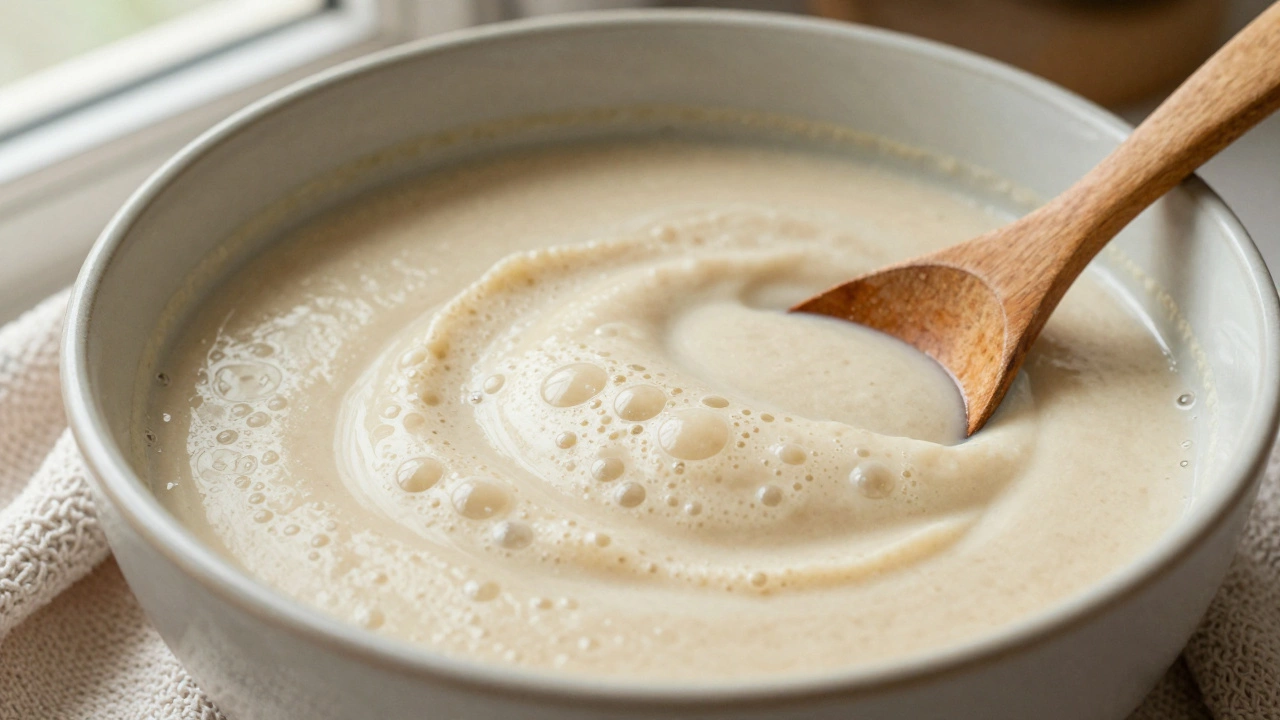
Can I Ferment Dosa Batter Within 1 Hour? The Real Answer
Can you ferment dosa batter in one hour? The answer is no-but here are real alternatives that get you tasty dosas fast without waiting overnight. Learn why fermentation matters and how to work around it.
Read More
Dosa Without Fermentation: Quick Fixes and Secrets for Perfect Crispy Dosas
Ran out of time for fermentation? Here’s how to whip up crispy, tasty dosa with unfermented batter, plus pro tips for instant results that feel authentic.
Read More