Paneer Texture: How to Get the Perfect Firmness Every Time
When you make paneer texture, the firmness and structure of homemade Indian cottage cheese. Also known as Indian cottage cheese, it's the backbone of dozens of popular dishes—from paneer tikka to palak paneer. But get the texture wrong, and your curry turns into a mushy mess. The difference between a sliceable block and a crumbly pile comes down to just a few key factors: milk quality, acid type, heat control, and how long you press it.
The paneer acid, the substance used to curdle milk into paneer. Also known as curdling agent, it’s not just lemon juice or vinegar—it’s the silent hero that decides how tight or loose your curds form. Lemon juice gives a clean, bright taste but can sometimes make paneer a bit grainy. Vinegar works faster and gives a firmer block, but leaves a slight tang if not rinsed well. Citric acid? It’s the pro’s choice—pure, predictable, and no off-flavors. Pick the wrong one, and even the best milk won’t save you.
Then there’s the paneer yield, how much cheese you get from a given amount of milk. Also known as milk to paneer conversion, it’s not magic—it’s science. Whole milk with 3.5% fat or higher gives you the most paneer. Skim milk? You’ll get barely enough to sprinkle on a salad. And if you’re using ultrapasteurized milk? Skip it. It won’t curdle properly, no matter how much acid you add. Heat matters too. Milk must be hot—just below boiling—when you add the acid. Too cool, and the curds won’t separate cleanly. Too hot, and you scorch the milk. And don’t rush the pressing. Weigh down your paneer for at least 30 minutes. Skip this, and your paneer stays soft, spongy, and falls apart in the curry.
You’ll find posts here that break down exactly which acid gives you the firmest paneer, how much paneer you can realistically pull from a gallon of milk, and why your last batch turned out like wet sand. These aren’t vague tips. These are the fixes real home cooks use after years of trial and error. Whether you’re making paneer for the first time or you’ve been trying to nail the texture for months, what follows is the clear, no-fluff guide to getting it right—every single time.
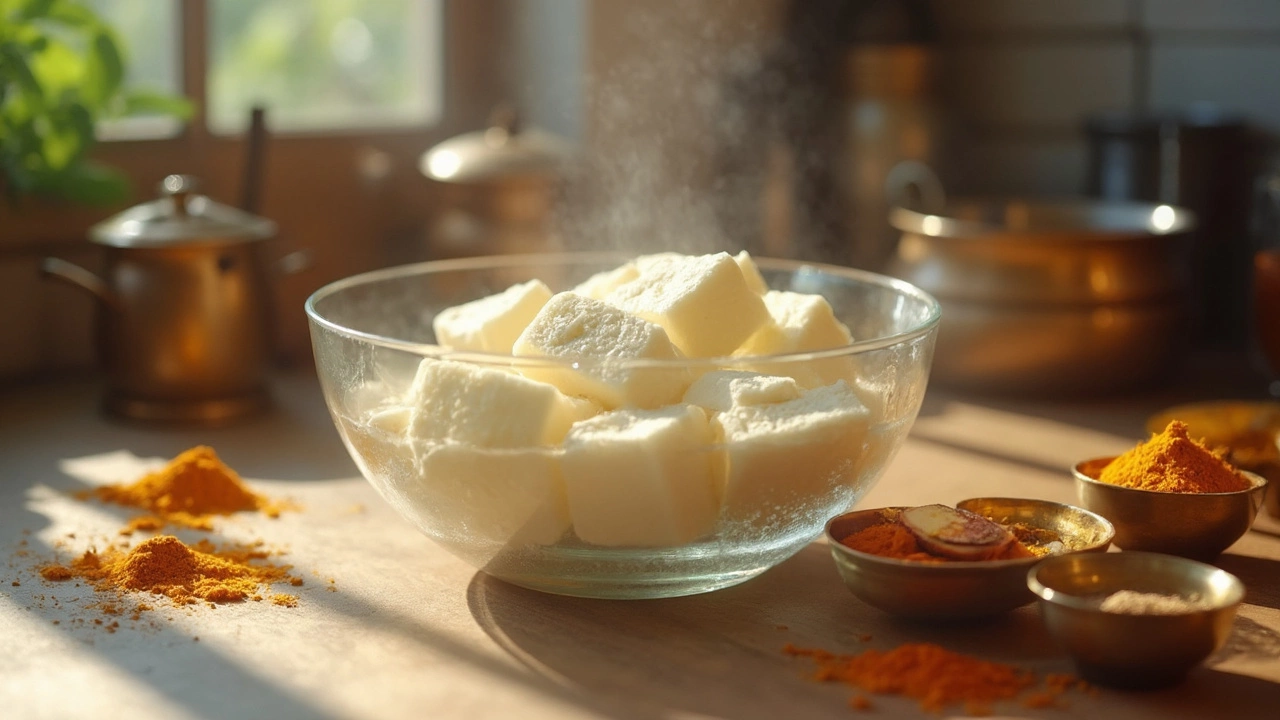
Why Soak Paneer Before Cooking? Simple Reasons You Shouldn't Skip This Step
Soaking paneer before cooking might sound unnecessary, but this simple step can completely change the texture and flavor of your dishes. Fresh or store-bought paneer often ends up rubbery or bland, and a quick soak makes it soft, juicy, and ready to absorb spices. This article explains why soaking matters, when to do it, and shares practical tips for perfect paneer every time. If you've ever wondered why your paneer tastes nothing like restaurant versions, you’ll find answers. Using science and kitchen tricks, we'll help you level up your homemade paneer game.
Read More
Why is Homemade Paneer Hard?
Ever struggled with your homemade paneer turning out hard and rubbery? Dive into why this happens and how you can make your paneer soft and creamy like the ones you admire in recipes. Learn what factors like the type of milk, acidity, and cooking methods have on the texture. With some practical tips and a bit of practice, you’ll be crafting velvety homemade paneer that melts in your mouth.
Read More