Paneer Acid: How Sour Milk Makes Fresh Paneer and What You Need to Know
When milk turns sour—whether from sitting too long or intentionally curdling—it doesn’t go to waste. It becomes paneer acid, the natural process of milk curdling with acid to form fresh cheese. Also known as milk curdling, it’s the oldest, simplest way to make paneer at home without fancy equipment or store-bought rennet. This isn’t spoilage—it’s transformation. And it’s how generations of Indian households turned slightly off milk into soft, stretchy cheese for curries, snacks, and desserts.
Paneer acid works because of lactic acid bacteria or added acids like lemon juice or vinegar. These break down milk proteins, separating the solid curds from the liquid whey. The result? Fresh paneer. It’s not just about saving milk—it’s about control. You decide how tangy, firm, or creamy your paneer turns out. That’s why so many recipes here focus on using broken milk instead of fresh. It’s smarter, cheaper, and just as good. Related to this is paneer yield, how much cheese you get from a gallon of milk, which depends on fat content, temperature, and how much acid you use. Too little acid? Weak curds. Too much? Rubbery paneer. It’s a balance, not a recipe.
And it’s not just about the cheese. The process connects to deeper kitchen wisdom—like why dosa batter turns sour naturally, or how fermentation changes food texture and digestibility. When you understand paneer acid, you start seeing dairy differently. Sour milk isn’t trash. It’s a resource. Broken milk isn’t ruined. It’s ready. And making paneer from it? It’s one of the most practical skills in Indian cooking. You don’t need a dairy lab. Just a pot, a strainer, and a little patience.
Below, you’ll find real guides from people who’ve done this—turning spoiled milk into paneer, fixing failed batches, calculating how much cheese they got from a gallon, and avoiding common mistakes. No fluff. Just what works in a real Indian kitchen.
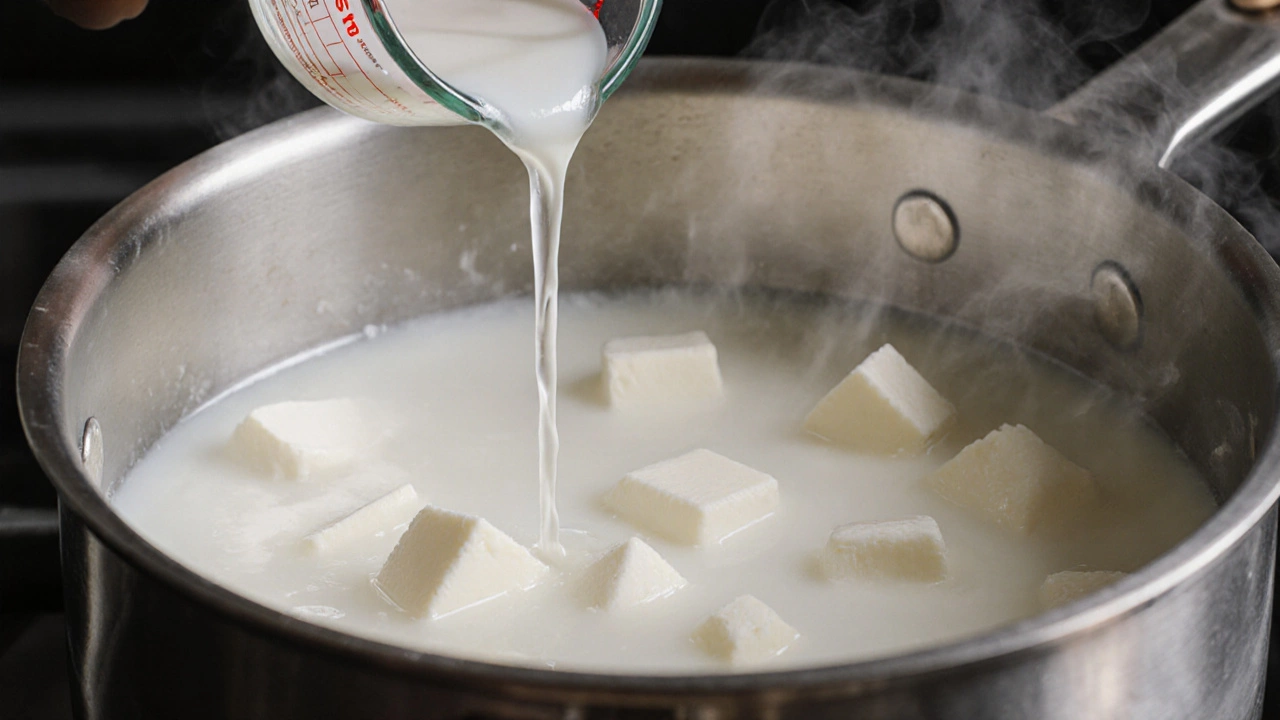
Best Acid for Making Paneer at Home
Find out which acid-lemon juice, vinegar, or citric acid-gives you the best homemade paneer with firm texture, no off-flavors, and perfect results every time.
Read More