Milk in Biryani: Why It Matters and How to Use It Right
When you think of milk in biryani, a traditional Indian cooking technique that adds richness, tenderness, and subtle sweetness to layered rice dishes. Also known as dairy-infused biryani, it’s not just a garnish—it’s a silent game-changer in texture and aroma. Most people assume biryani is all about spices, meat, and saffron. But the real secret? A splash of warm milk, sometimes mixed with cardamom or rose water, folded into the rice before steaming. It doesn’t make the dish sweet—it makes it silky. It softens the grains just enough so they don’t turn chewy or dry during dum cooking. And it carries the flavor deeper into every grain, not just on the surface.
This isn’t just a trick from fancy kitchens. In Lucknow, Hyderabad, and even home kitchens across Uttar Pradesh and Telangana, milk is quietly added to the rice soak or the final layer. It’s not about replacing water—it’s about enhancing it. The biryani rice, typically basmati, which needs precise soaking and cooking to stay separate and fluffy benefits from milk’s fat content, which coats each grain and prevents sticking. Meanwhile, the dum cooking method, a slow-steaming technique sealed with dough or foil to trap steam and flavor lets that milk slowly infuse into the rice without boiling away. Skip it, and your biryani tastes good—but miss that creamy depth, the kind that lingers on your tongue after the last bite.
Some recipes use milk to soak the meat too—especially in older, family-style versions where tenderizing is key. Others swirl it into the yogurt-based marinade for chicken or mutton. And yes, it pairs perfectly with the white raita served on the side. You’ll find this in posts about milk in biryani, not as a gimmick, but as a quiet tradition passed down through generations. It’s not in every recipe, but when it’s there, you notice the difference. No, you won’t taste milk. But you’ll feel it—in how the rice melts, how the spices settle, how the whole dish feels more complete.
What you’ll find in the posts below aren’t just tips—they’re fixes for real problems. Why did your biryani turn out dry? Maybe you skipped the milk. Why did the rice stick? Maybe you didn’t use enough fat. Why does your biryani taste flat? It might not be the spices—it might be the missing dairy. These aren’t guesses. They’re lessons from people who’ve made biryani too many times to count, and learned what actually works. You don’t need fancy tools. You don’t need to travel to India. You just need to know what to add—and when.
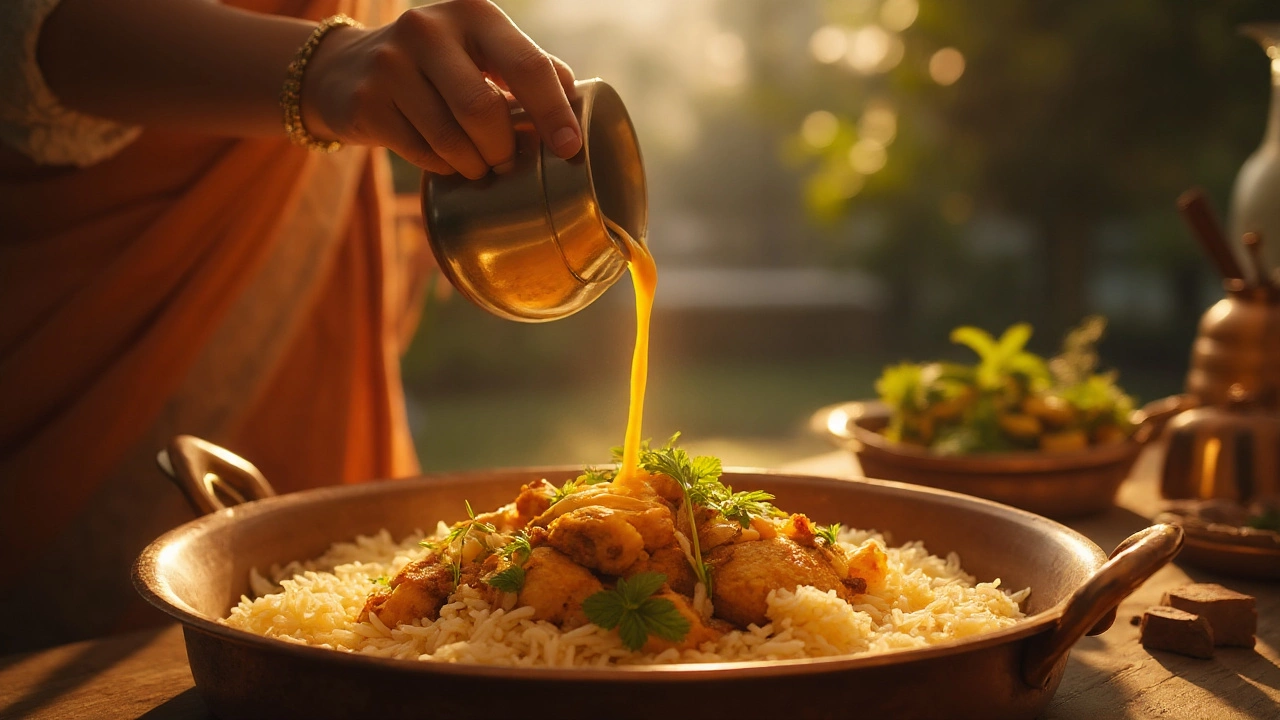
Why Do We Add Milk in Biryani? Science, Ratios, and Easy Tips
Wondering why milk goes into biryani? Get the science, exact ratios, when to add it, swaps like coconut milk, and pro tips to fix dry, bland, or pale biryani.
Read More