Love for Sweets: Why Indian Desserts Are More Than Just Sugar
When you think of love for sweets, a deep cultural and emotional connection to sugary treats, especially in Indian households. Also known as sweet tooth culture, it’s not just about craving sugar—it’s about celebration, comfort, and connection. In India, sweets aren’t an afterthought. They’re the heart of festivals, the first thing offered to guests, and the quiet comfort after a long day. You don’t just eat them—you feel them. A bite of warm gulab jamun, soft, syrup-soaked milk balls fried to perfection and often served at weddings and Diwali isn’t just dessert. It’s nostalgia. It’s your grandmother’s kitchen on a winter evening. It’s the smell of cardamom and ghee that lingers long after the plate is clean.
This love for sweets, a deep cultural and emotional connection to sugary treats, especially in Indian households runs deeper than taste. It’s tied to milk-based desserts, traditional sweets made from milk, sugar, and spices, often cooked slowly for hours to develop rich flavor and texture. Think of rasgulla, spongy cheese balls soaked in light sugar syrup, a staple in Bengal and beyond, or kheer, a creamy rice pudding made with milk, cardamom, and nuts, often served at temple offerings and family gatherings. These aren’t just recipes—they’re passed-down rituals. The way milk is reduced, the timing of adding sugar, the type of paneer used—all of it matters. And it’s not just about flavor. It’s about patience. About turning simple ingredients into something sacred.
Why does this matter now? Because modern life is rushing past these traditions. People skip fermentation for dosa batter, use yeast to speed things up, or buy sweets from shops instead of making them. But the real magic? It’s in the process. The slow simmer of milk for barfi. The careful folding of dough for jalebi. The way a family gathers around the stove, laughing as someone burns the first batch. That’s what keeps this love for sweets, a deep cultural and emotional connection to sugary treats, especially in Indian households alive. You won’t find that in a store-bought box.
Below, you’ll find real stories from real kitchens—why dosa batter turns sour, how much paneer you get from a gallon of milk, which Indian sweets are loved across regions, and why some people avoid eating dal at night. It’s all connected. Because in India, food isn’t just eaten. It’s lived. And when it comes to sweets? It’s loved—deeply, fiercely, and always with milk.
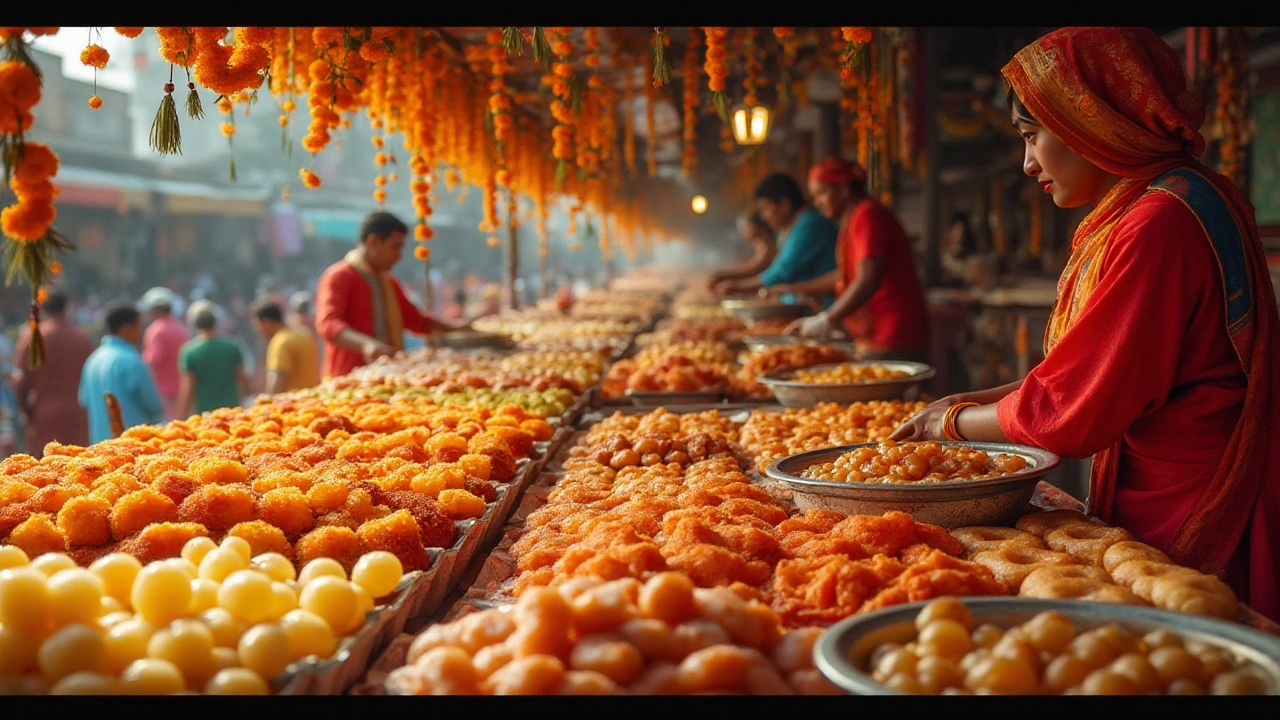
Exploring India's Beloved Desserts: A Culinary Journey
Indian desserts are a delightful medley of flavors, colors, and textures, deeply resonating with the country's rich culture and traditions. Diverse in taste and presentation, these sweets are cherished across the nation, from grand feasts to simple family gatherings. The prominence of classics like Gulab Jamun, Jalebi, and Rasgulla can be perceived in every festive celebration, heartwarming family meal, or street-side vendor display. This article delves into the world of Indian desserts, exploring the secrets behind their popularity and offering handy tips to recreate these cherished sweets at home.
Read More