King of Sweets: Top Indian Desserts and What Makes Them Legendary
When people talk about the king of sweets, a title given to the most beloved and iconic Indian dessert, often gulab jamun or rasgulla, depending on region and tradition. Also known as Indian dessert royalty, it’s not just about sugar—it’s about texture, warmth, and memory. This isn’t a title handed out by chefs or food critics. It’s earned in homes, during Diwali, at weddings, and in street stalls across India, where a single bite can bring back childhood. The gulab jamun, deep-fried milk solids soaked in sugar syrup, often flavored with cardamom and rose is the most common contender. Its soft, melt-in-your-mouth core and sticky sweetness make it unforgettable. But then there’s the rasgulla, spongy cheese balls cooked in light sugar syrup, originating from Bengal and loved from Odisha to Mumbai, which some argue is the true king because of its delicate balance and cultural roots.
What ties these together isn’t just taste—it’s milk. Every single one of these sweets starts with milk, boiled down, strained, and transformed. That’s why milk isn’t just an ingredient—it’s the foundation. You can’t make gulab jamun without khoya. You can’t make rasgulla without chhena. And you can’t understand the king of sweets without understanding how Indian households turn simple milk into something magical. These desserts aren’t just eaten—they’re shared. Passed down through generations. Made with patience, not machines. Even today, families still strain curdled milk through cloth, hang it to drain, and knead it by hand, just like their grandparents did. The process is slow, but that’s the point. It’s not about speed. It’s about care.
There’s also the cultural weight. In North India, gulab jamun is the star of Diwali trays. In the East, rasgulla is served at every festival, from Durga Puja to Eid. In the South, you’ll find kheer or payasam, but even there, the king of sweets is still the one that brings everyone to the table. And while modern versions try to cut calories or add chocolate, the real ones? They’re still made with milk, sugar, and a little love. You won’t find a single recipe for the real king of sweets that uses baking powder or food coloring. It’s pure, simple, and stubbornly traditional.
What you’ll find below are posts that dig into exactly why these sweets work—how the batter ferments, how the milk curdles just right, what happens when you skip the soaking, and why some versions turn out chewy instead of soft. You’ll learn what makes one rasgulla better than another, how to fix a batch of gulab jamun that won’t absorb syrup, and why some families swear by lemon juice while others use vinegar. This isn’t just a list of recipes. It’s a look at the craft behind the crown.
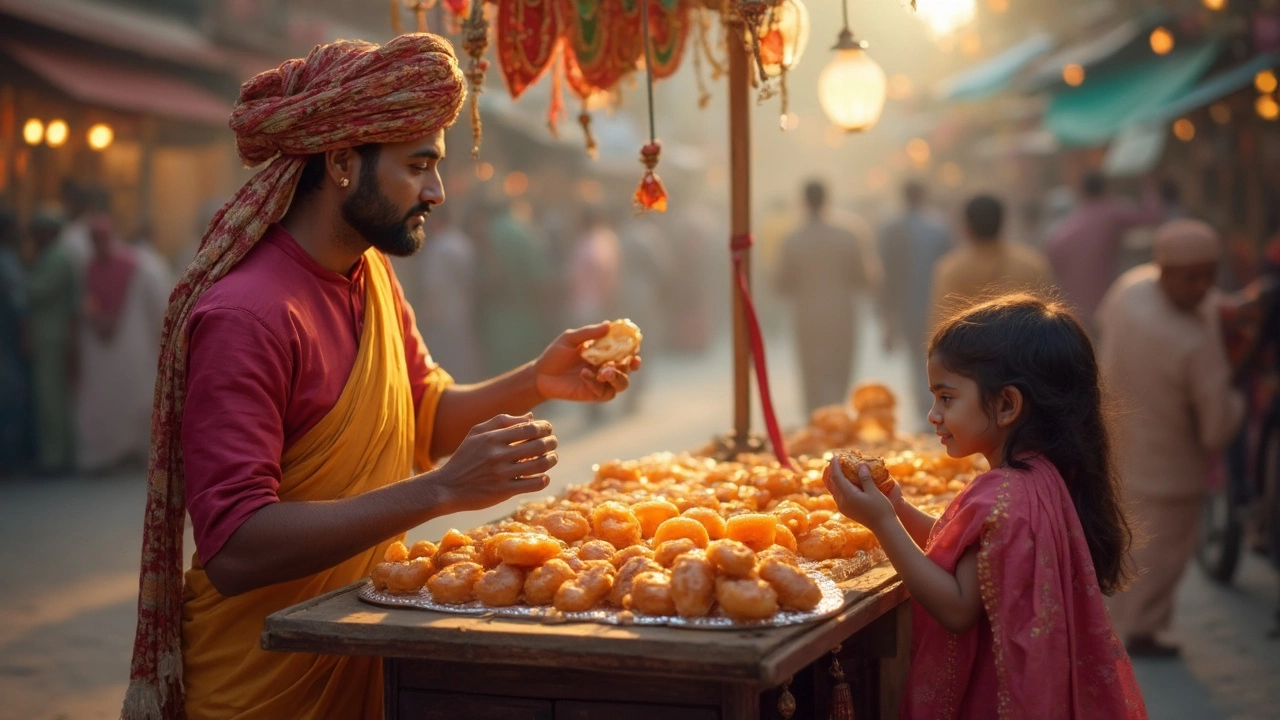
King of Sweets in India: A Culinary Exploration
India's vast array of sweets is as diverse as its culture. This article dives into the heart of Indian desserts, exploring what truly earns the crown as the king of sweets. Readers will discover interesting facts, regional favorites, and simple tips for making these delights at home.
Read More