Indian Food: Discover the Flavors, Traditions, and Secrets Behind India's Beloved Cuisine
When you think of Indian food, a vibrant, regionally diverse culinary tradition built on spices, dairy, and centuries of cultural exchange. Also known as Indian cuisine, it’s not just about heat—it’s about balance, ritual, and the way food connects families across generations. From the creamy tomato butter chicken of the north to the coconut-infused curries of the south, Indian food isn’t one dish. It’s hundreds, each shaped by climate, religion, and history.
Take biryani, a layered rice dish cooked with spices, meat, and sometimes yogurt or milk. Also known as Indian rice biryani, it’s a dish that turns cooking into a slow, patient art—where skipping the dum technique or using the wrong rice can ruin everything. Then there’s dosa, a fermented crepe made from rice and lentils, crisp on the outside, soft inside, and served with chutney and sambar. Also known as South Indian fermented pancake, its sour tang isn’t a mistake—it’s the result of natural bacteria working over hours, not minutes. And paneer, a fresh, non-melting cheese made by curdling milk with lemon juice or vinegar. Also known as Indian cottage cheese, it’s the star of dozens of home-cooked meals, from paneer tikka to palak paneer, and knowing which acid to use makes all the difference. These aren’t random recipes. They’re systems—rules passed down, tested, and perfected.
Indian food doesn’t ask you to be a chef. It asks you to pay attention. Why do Jains avoid carrots? Because they believe in minimizing harm to life, even in the soil. Why is raita served with biryani? Because yogurt cools the spices and aids digestion. Why does dosa batter need to ferment overnight? Because heat kills the good bacteria that make it digestible and flavorful. These aren’t just cooking tips—they’re cultural logic, written in taste.
What you’ll find here isn’t a list of recipes. It’s a guide to understanding what makes Indian food work—why it tastes the way it does, why certain mistakes happen, and how to fix them without fancy tools or exotic ingredients. Whether you’re making paneer for the first time, trying to get your dosa crispy, or wondering why chicken tikka masala is so popular overseas, the answers are here—not in theory, but in real kitchens, with real results.
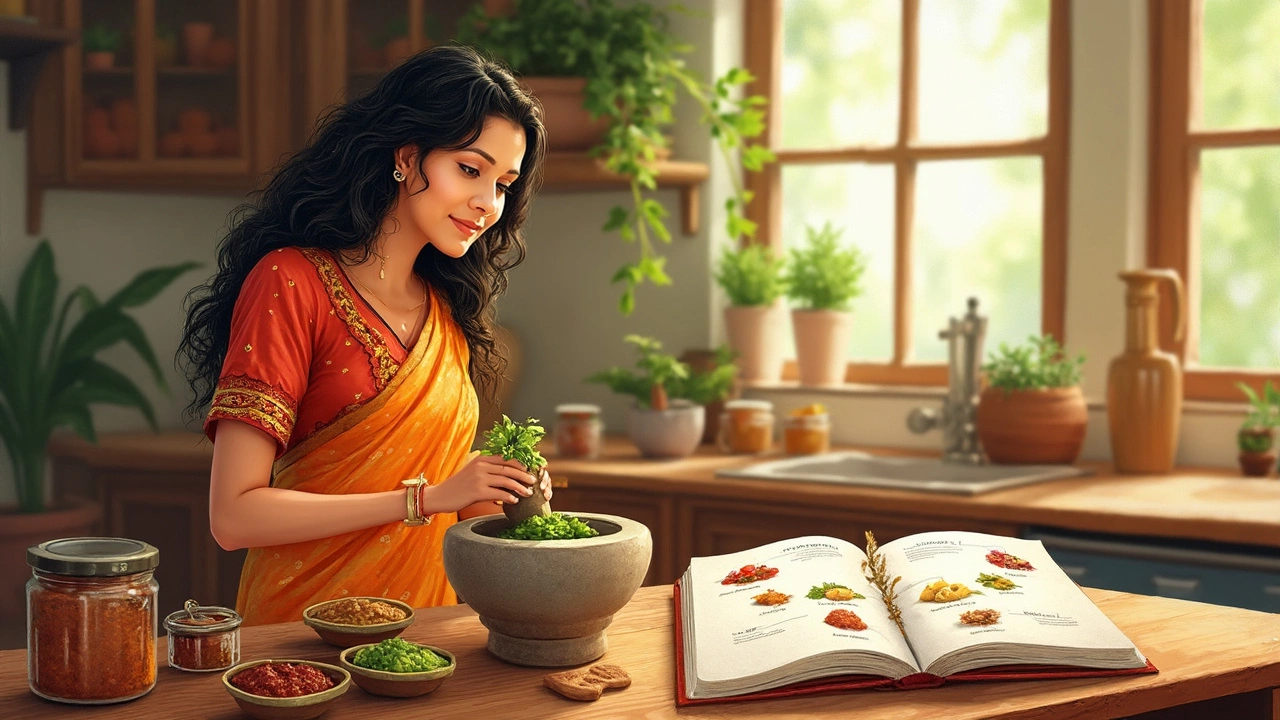
Chutney in America: What Do They Really Call It?
Curious about what chutney is called in America? You’ll find that while chutney has deep Indian roots, Americans use the term differently and sometimes swap it for other names like relish or salsa. This article untangles the naming confusion, explores the differences, and offers tips for using and making chutney in an American kitchen. Simple comparisons and real kitchen hacks included. Perfect for anyone who loves flavor-packed condiments.
Read More
Best Vegetarian Dish in India: What’s Worth Fighting Over?
This article digs into the never-ending debate about the best vegetarian dish in India, weighing delicious choices like paneer butter masala, dal makhani, and masala dosa. You’ll find quirky facts, regional favorites, and tips on what to try if you’re just starting out with Indian vegetarian food. Whether you want something rich, spicy, or just deeply comforting, this is your no-fluff guide to the crowd-pleasers on every Indian menu. Curious about why so many Indian meals are vegetarian, and which dish deserves the crown? Get ready to settle the score.
Read More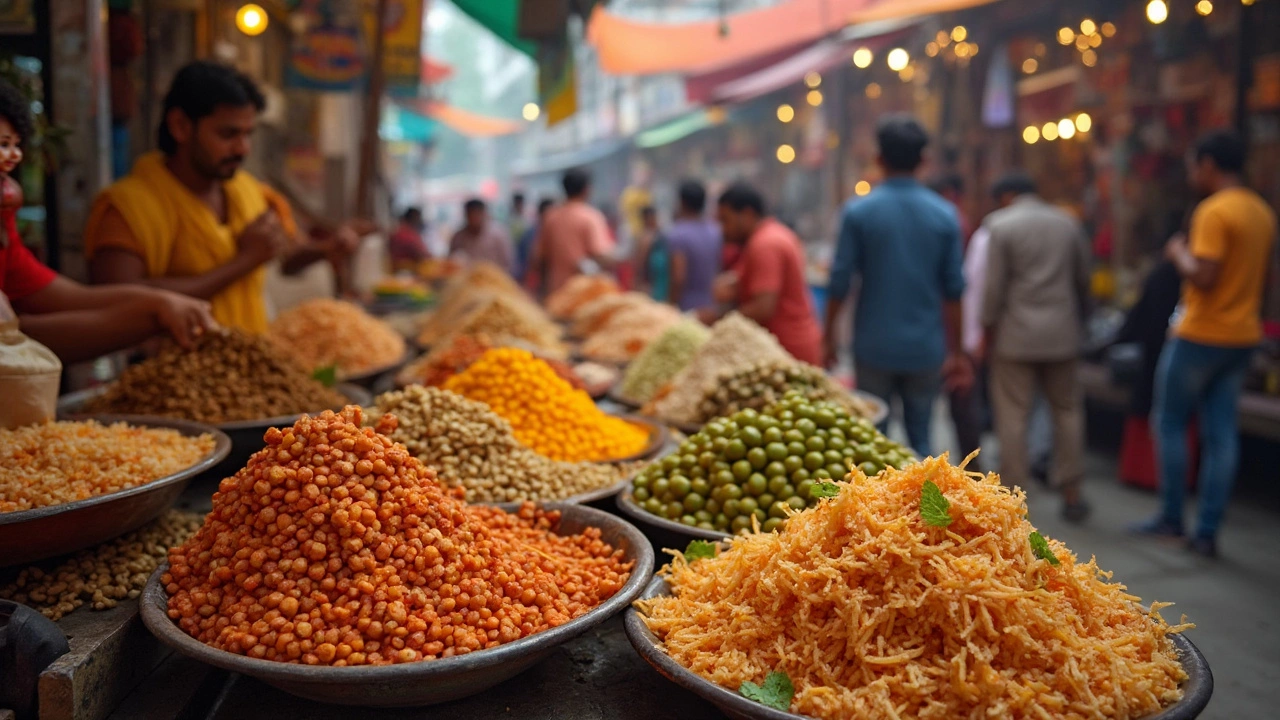
Healthiest Indian Snacks You Need to Try
Exploring the world of Indian snacks opens up a realm of mouth-watering and healthy options. From guilt-free bhel puri to protein-packed chana chaat, Indian cuisine offers snacks that are tasty and nutritious. With a variety of flavors and ingredients, these bites not only satisfy cravings but also boost overall well-being. Discover how these snacks incorporate spices, legumes, and grains for an instant health upgrade.
Read More
What's the Smelly Spice in Indian Chicken Curry?
Chicken curry is a favorite dish for many, but what's that unique, strong smell that stands out? Often, it's asafoetida, a spice not only known for its pungent aroma but also its ability to enhance flavors. This article explores the role of asafoetida in Indian cuisine, especially in chicken curry, and offers tips on how to balance its distinct scent with the rich, savory flavors of the dish.
Read More