Indian Dishes: Classic Recipes, Common Mistakes, and What Makes Them Work
When you think of Indian dishes, a vibrant collection of flavors, techniques, and traditions from across the Indian subcontinent. Also known as Indian cuisine, it’s not just about spice—it’s about balance, timing, and respect for ingredients. From the slow-cooked layers of biryani to the crisp, fermented edges of a perfect dosa, these dishes aren’t accidents. They’re the result of generations of trial, error, and wisdom passed down in kitchens from Delhi to Chennai.
Take biryani, a layered rice dish cooked with meat, spices, and saffron, often served with raita. Also known as Indian rice biryani, it’s one of the most misunderstood dishes out there. People think it’s hard because they’ve seen it done in restaurants with fancy equipment. But the truth? It’s just rice, meat, and patience. The real mistakes? Using the wrong rice, skipping the dum cook, or not letting the spices bloom properly. And then there’s dosa, a fermented rice and lentil crepe that should be crisp on the outside, soft inside. Also known as South Indian fermented pancake, its sourness isn’t a flaw—it’s the signature of natural fermentation. Too much yeast? You kill the flavor. Not enough time? You get a soggy mess. Then there’s paneer, fresh Indian cottage cheese made by curdling milk with lemon juice or vinegar. Also known as Indian cheese, it’s the star of countless curries and street snacks. But if you use the wrong acid or don’t press it right, you end up with crumbly, flavorless blocks instead of firm, creamy cubes.
And let’s not forget the sweets. Indian sweets, like gulab jamun, rasgulla, and barfi, made with milk, sugar, and cardamom. Also known as milk-based desserts, they’re not just for festivals—they’re the soul of hospitality. A plate of these says, "I care enough to make something slow, sweet, and special."
What ties all these together? Milk. It’s the hidden thread—from paneer to kheer to the yogurt in raita. It’s not a trend. It’s tradition. And whether you’re making biryani for the first time, fixing your dosa batter, or learning why Jains avoid carrots, you’re not just cooking. You’re connecting to a culture that eats with intention. Below, you’ll find real answers to real problems people face when cooking Indian dishes. No fluff. No theory. Just what works, what doesn’t, and why. Whether you’re a beginner or someone who’s tried and failed, there’s something here that’ll finally make it click.
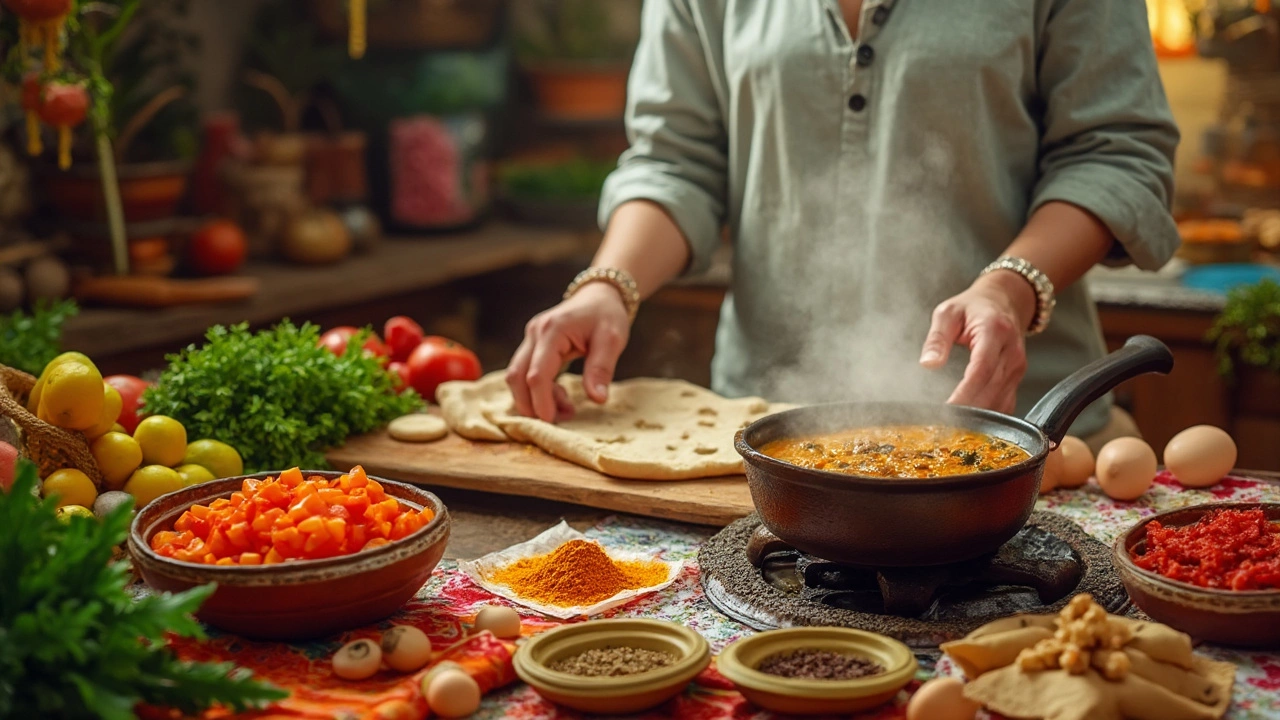
What Do You Call a Vegetarian Who Eats Eggs? Discovering the Ovo-Vegetarian Lifestyle
Have you ever wondered what to call a vegetarian who eats eggs? They're known as ovo-vegetarians. This dietary choice is popular among people who avoid meat but still want the protein benefits of eggs. Dive into the world of ovo-vegetarianism, learn how it fits within Indian cuisine, and discover delicious dishes you can enjoy.
Read More
Why Some Vegetarians Avoid Garlic in Indian Cuisine
Garlic, a staple in many Indian dishes, is often avoided by certain vegetarians due to cultural and spiritual reasons. This article explores the historical and religious contexts that lead to this avoidance and highlights the significance of garlic in different vegetarian diets. Readers will learn about alternative spices and ingredients used in Indian cuisine to replace garlic, as well as tips on preparing garlic-free vegetarian dishes. Understanding the diverse vegetarian practices can enhance cooking for diverse dietary preferences.
Read More