Indian Diet: What People Really Eat Daily, From Breakfast to Dessert
When we talk about the Indian diet, the everyday eating patterns of millions across India, shaped by region, religion, and tradition. Also known as traditional Indian eating habits, it’s not just about spices—it’s about rhythm, timing, and balance. This isn’t a fad or a trend. It’s what families have eaten for generations, built around rice, lentils, flatbreads, dairy, and seasonal vegetables. And yes, milk plays a starring role—not just in chai, but in paneer, kheer, and even fermented yogurt used to make dosa batter.
The Indian breakfast, a vital, nutrient-rich start to the day, often centered around fermented foods and easy-to-digest carbs. Also known as morning Indian meals, it’s rarely toast and cereal. Think idli, poha, upma, or parathas—foods that fuel long workdays and are tied to local customs. In the south, it’s fermented rice and lentils. In the north, it’s whole wheat roti with yogurt. And in between, you’ll find regional twists that reflect climate, crop availability, and religious beliefs—like Jains avoiding root vegetables because they believe harvesting them harms tiny life forms. This isn’t dietary restriction for weight loss—it’s a spiritual practice woven into daily life. Then there’s the Indian sweets, a category of desserts made with milk, jaggery, and cardamom, often tied to festivals, celebrations, and family rituals. Also known as traditional Indian desserts, they’re not snacks—they’re emotional anchors. Gulab jamun isn’t just sugar syrup and dough; it’s what’s served at weddings. Rasgulla isn’t just a ball of cheese; it’s a symbol of Bengali identity. These aren’t occasional treats. They’re part of the rhythm of the year.
The Indian diet doesn’t ignore protein. Dal is the backbone of lunch and dinner, eaten with rice or roti, and often paired with pickles or raita. But it’s not eaten late at night—many avoid it after sunset because digestion slows down. And while biryani gets global attention, it’s not daily food. It’s for special days. The real daily meals? Simple. Hearty. Built on what’s fresh, local, and available. Butter chicken? Loved in the U.S. But in rural India, it’s more likely to be cabbage sabzi with millet roti. The diet varies wildly—from the dairy-heavy meals of Punjab to the coconut-and-rice base of Kerala. Yet one thread stays constant: food is never just fuel. It’s connection. It’s ritual. It’s memory.
What you’ll find below isn’t a list of trendy superfoods. It’s a real look at what people eat—why they eat it, how they make it, and what happens when things go wrong. From why dosa batter turns sour to how much paneer you actually get from a gallon of milk, these posts answer the questions you didn’t know you had. No fluff. Just the truth behind the food on your plate.
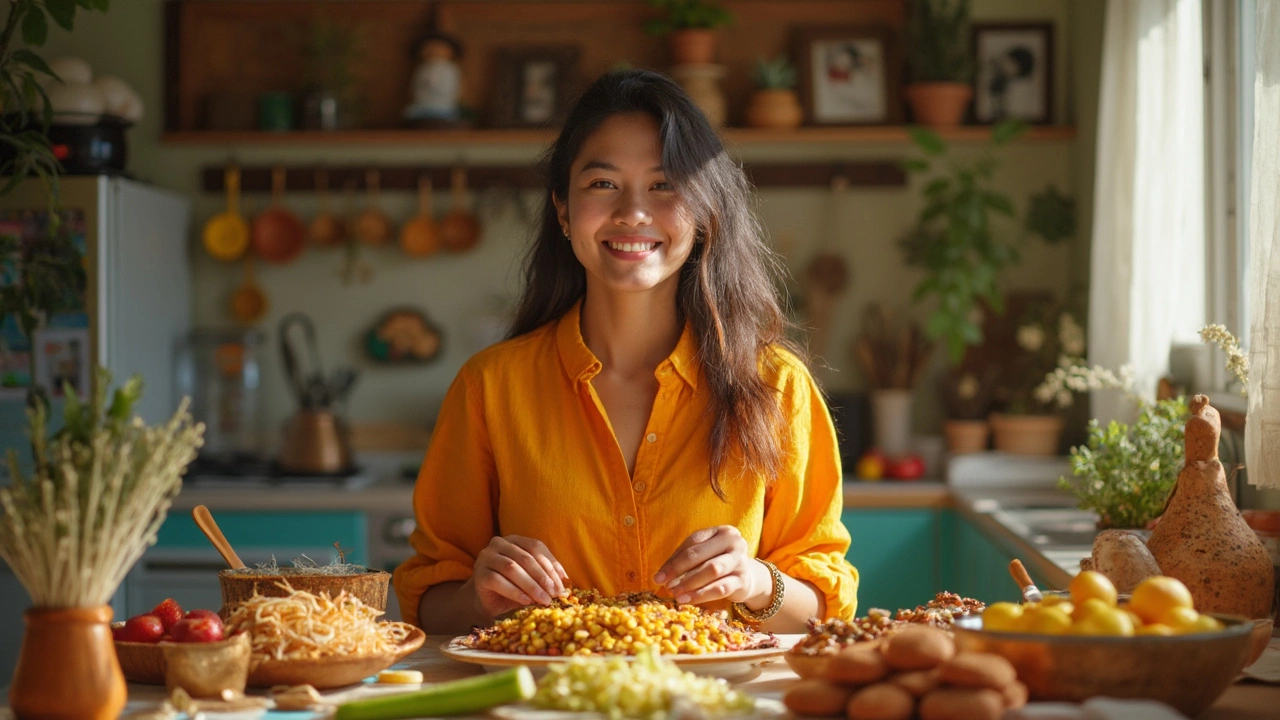
How to Lose 5 lbs in a Week with Healthy Indian Snacks
Losing 5 lbs in a week sounds impossible, but it’s doable with the right approach. This guide focuses on using Indian snacks to help you drop weight without starving or feeling deprived. You’ll find smart snack swaps, easy meal ideas, and ways to control cravings. Get ready to ditch unhealthy habits and enjoy satisfying snacks while losing weight. These tips are easy to follow and fit into your daily routine.
Read More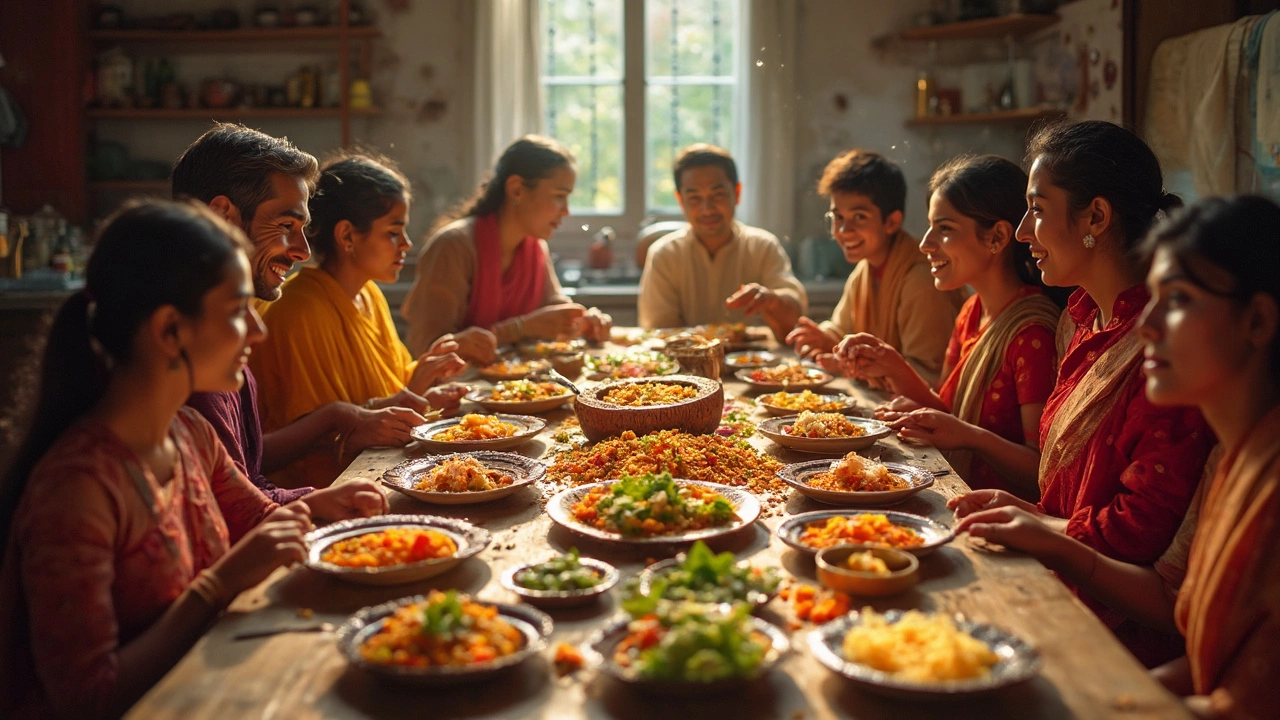
What Do Most Indians Not Eat? Surprising Food Habits from Every Corner
Ever wondered what foods Indians skip on their plates? This article breaks down the surprising things that don't make it into most Indian homes and why. From strict meat bans to certain taboo vegetables, get the inside scoop on the do-not-eat lists across Indian communities. You'll even find handy cooking tips and smart substitutes so your recipes fit right in. Perfect if you're curious, health-conscious, or just want to cook something everyone can enjoy.
Read More