Improve Curry: Simple Ways to Make Your Indian Curry Taste Better
When you improve curry, you’re not just adding more spices—you’re balancing flavors, building depth, and unlocking the soul of Indian cooking. Also known as perfecting a curry, it’s about knowing when to toast cumin, how long to fry onions, and why milk or yogurt can turn a good dish into a great one. Most people think curry is just chili and turmeric, but that’s like saying pizza is just cheese and dough. The real magic happens in the layers: the sizzle of mustard seeds, the slow caramelization of garlic, the tang of tamarind, and the creaminess of coconut or cashew paste. These aren’t random ingredients—they’re tools, and using them right is what separates home cooks from those who make curry that sticks in your memory.
One of the biggest reasons curry falls flat? Skipping the base aromatics, the foundation of every Indian curry—onions, ginger, garlic, and sometimes tomatoes. Also known as tadka or bhuno, this step isn’t optional. If you rush it, your curry will taste raw and one-dimensional. Fry the onions until they’re deep golden, not just soft. Let the spices bloom in the oil for a full minute—until you smell them, not just see them. That’s when the flavor wakes up. And don’t forget acid, the secret weapon that cuts through richness and brightens the whole dish. A squeeze of lemon, a spoon of yogurt, or even a pinch of amchoor (dry mango powder) can lift a dull curry from boring to brilliant. You don’t need fancy equipment. You don’t need 15 spices. You just need patience and attention. The same principles that make butter chicken the king of all curries, a creamy, balanced, deeply flavorful dish loved across the world. Also known as chicken curry, it’s not about heat—it’s about harmony. If your curry tastes too salty, too spicy, or too thin, the fix isn’t more spice—it’s more balance. Add a touch of sugar to tame acidity. Stir in a splash of cream or coconut milk to round out sharp edges. Simmer longer to let flavors marry. And always taste at the end. Indian cooks don’t guess—they adjust.
What you’ll find below isn’t a list of recipes. It’s a collection of real fixes, real mistakes, and real solutions from people who cook curry every day. From why your curry turns watery to how to fix overcooked chicken, from the best way to use yogurt to why some curries need milk and others need tamarind—you’ll see the patterns. No fluff. No theory. Just what works.
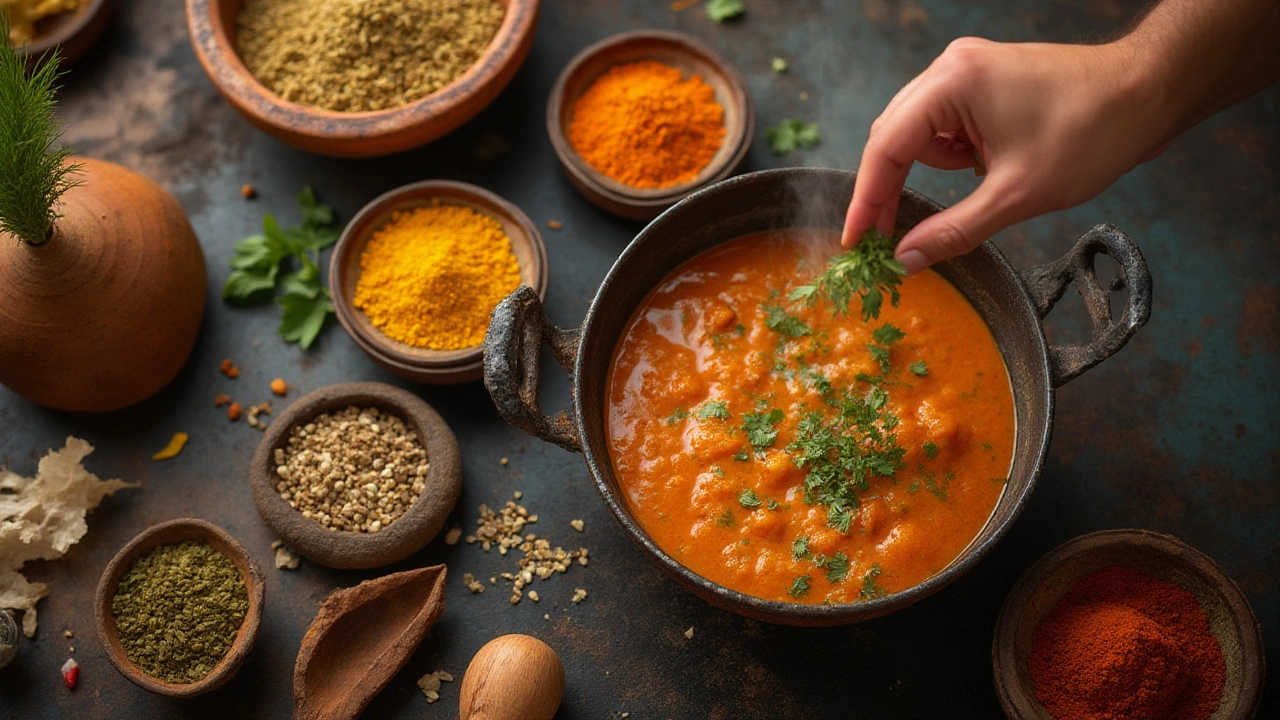
Secrets to Making Curry Taste Better: Flavorful Tips for Perfect Curry Every Time
Learn what truly makes curry more tasty, from spices and techniques to the chemistry behind flavor. Tips to improve your curry for that irresistible taste.
Read More