Homemade Indian Food: Simple, Authentic Recipes You Can Make Today
When you cook homemade, food prepared from scratch in your own kitchen, often using fresh, unprocessed ingredients. Also known as house-made, it’s the backbone of Indian kitchens where flavor comes from patience, not packets. There’s a reason your grandmother’s dal tasted different—it wasn’t just the spices. It was the way the lentils soaked overnight, the way the rice was washed till the water ran clear, the way the yogurt for raita was strained just right. Homemade isn’t a trend. It’s tradition with purpose.
Take homemade paneer, a fresh, non-melting Indian cheese made by curdling milk with acid. Also known as Indian cottage cheese, it’s the star of paneer tikka and palak paneer. You don’t need a dairy factory—just milk, lemon juice, and a cloth. One gallon of milk gives you about 200–250 grams of firm paneer, and the difference between store-bought and your own? It’s like comparing a factory bus to a bike ride through the countryside. Then there’s dosa batter, a fermented mix of rice and lentils that turns fluffy and tangy over 8–12 hours. Also known as fermented rice batter, it’s the base for crispy dosas and soft idlis. Adding yeast? It speeds things up, but kills the natural tang and probiotics. Traditional fermentation isn’t slow because it’s outdated—it’s slow because it’s better. And biryani? People think it’s hard. But it’s just layers—spiced rice, marinated meat, saffron milk, and a tight lid for dum cooking. The mistakes? Overcooking the rice, skipping the steam, or using the wrong rice. Fix those, and your biryani tastes like it came from a roadside stall in Lucknow.
Homemade Indian food isn’t about perfection. It’s about presence. It’s the smell of cumin hitting hot oil, the sound of batter spreading on a hot griddle, the quiet wait while dosa ferments overnight. It’s the difference between eating a meal and tasting a memory. Whether you’re making raita to go with biryani, soaking dal for perfect texture, or figuring out the best acid for paneer, every step matters. You don’t need a chef’s title. You just need a pot, a little time, and the willingness to do it yourself.
Below, you’ll find real fixes for real problems—why your dosa isn’t crispy, how to avoid bloating from dal, what acid actually works for paneer, and why yeast ruins traditional fermentation. No fluff. No hype. Just what works, straight from Indian kitchens.
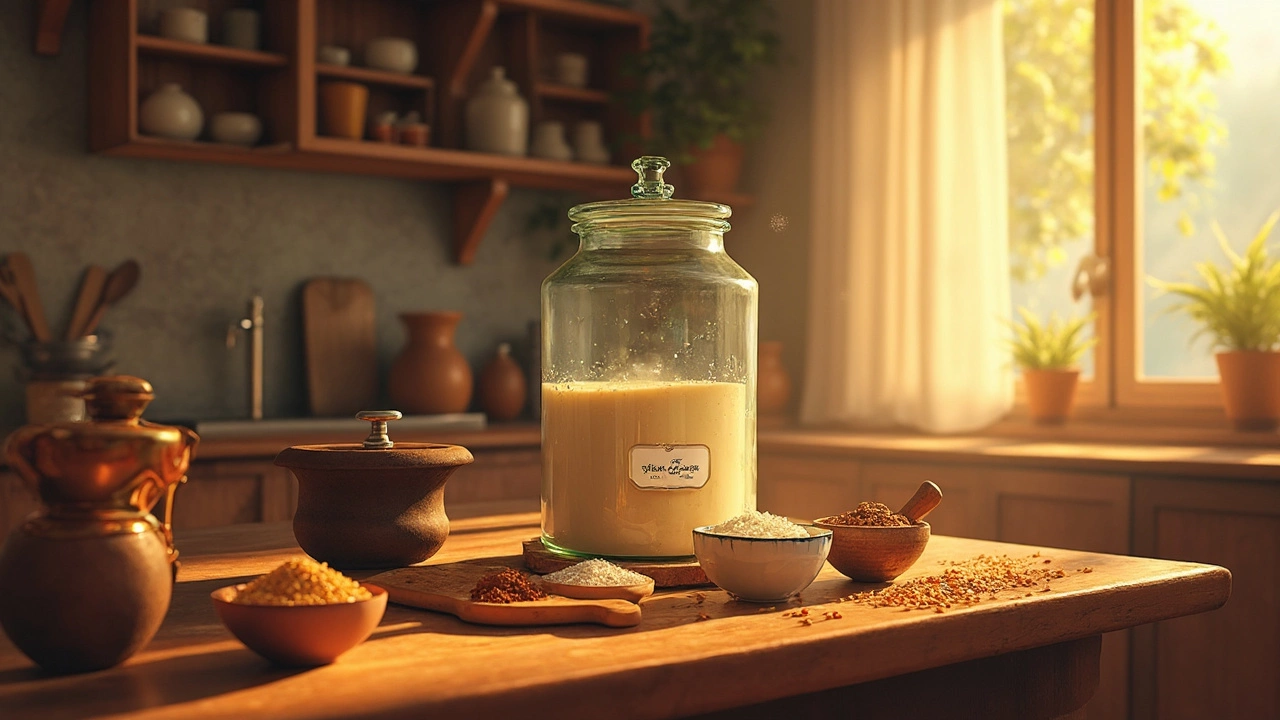
How Long Does Homemade Dosa Batter Last?
Curious about how long homemade dosa batter can last? Understanding the shelf life is key to enjoying fresh dosas without waste. This guide offers insights on storing dosa batter, ensuring it stays fresh, and tips on prolonging its life. Learn the best practices for fermenting, storing, and even reusing batter.
Read More