Heavy Dal: What It Is, Why It Matters, and How to Get It Right
When people talk about heavy dal, a thick, rich lentil dish common in Indian homes that can feel dense or slow to digest. Also known as thick dal, it’s not about the type of lentil—it’s about how it’s cooked, soaked, and paired. Many assume all dals are light and easy on the stomach, but that’s not true. Some dals, like chana dal or urad dal, naturally take longer to break down. If you skip soaking, rush the cooking, or use too much oil and spices, you end up with a bowl that sits in your stomach instead of nourishing you.
What makes dal heavy isn’t just the lentil—it’s the whole process. dal soaking time, how long you let lentils sit in water before cooking. Also known as pre-soaking dal, it’s the first step most people ignore. Soaking for just 4–6 hours reduces phytic acid, softens the lentils, and cuts cooking time. Skip it, and you’re asking your gut to work overtime. Then there’s dal digestion, how easily your body breaks down lentils after eating. Also known as lentil tolerance, it varies by person, but preparation makes a huge difference. Toasting cumin or adding a pinch of asafoetida before cooking helps. So does pairing your dal with the right sides—like warm roti, steamed rice, or a cooling raita. Eating dal with pickles or yogurt doesn’t just taste good—it helps your body process it better.
Some dals are naturally heavier than others. Urad dal, for example, is rich in protein and fiber, which is great—but if you don’t cook it until it’s meltingly soft, it’ll feel like pebbles in your stomach. Chana dal, even when boiled, can stay firm if you don’t soak it long enough. And then there’s the myth that eating dal at night is bad. It’s not the dal—it’s the heaviness. A well-prepared, lightly spiced moong dal is fine after sunset. A thick, oily rajma? That’s trouble.
Looking at the posts here, you’ll find real fixes: how long to soak dal for perfect texture, why some dals cause bloating, and what to eat with dal to balance the meal. You’ll see how fermentation, heat, and even the type of pot you use changes everything. No fluff. No guesswork. Just what works in Indian kitchens—from home cooks who’ve made dal every day for decades to those who just want to stop feeling sluggish after lunch.
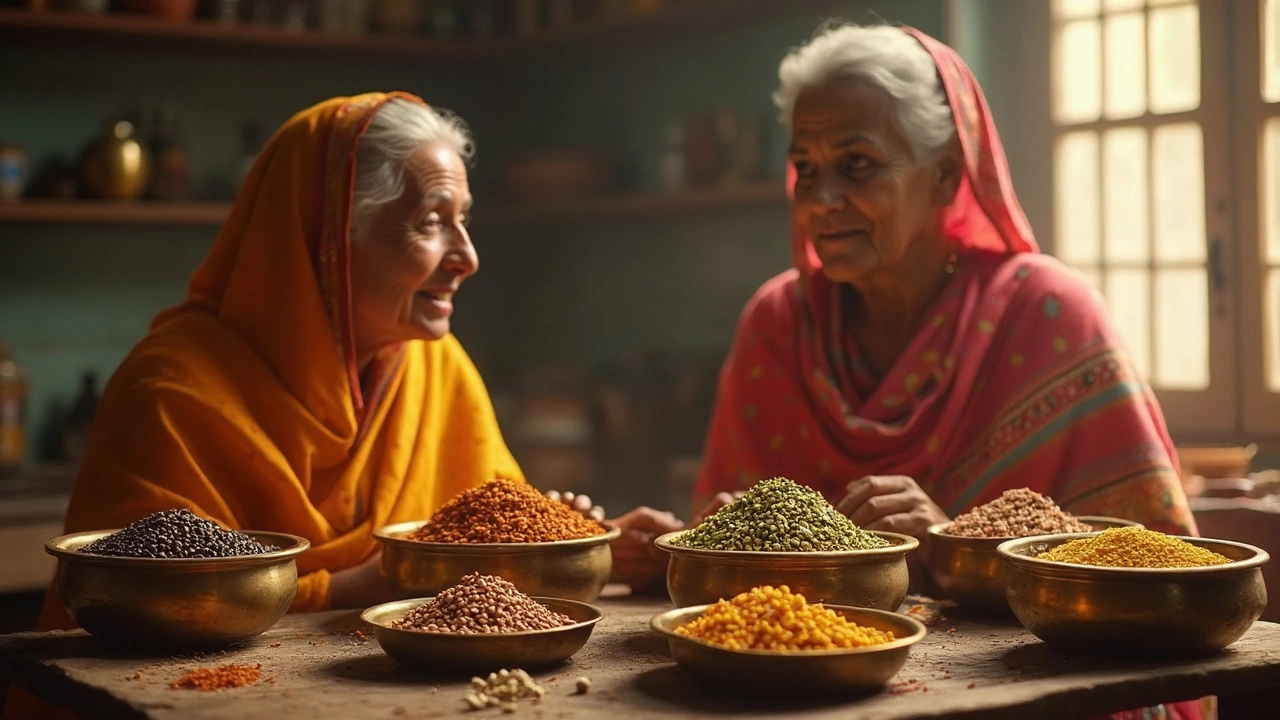
Which Dal Is Heavy to Digest? Simple Answers for Everyday Cooking
Ever wondered why some dals make you feel light, while others just sit in your stomach? This article breaks down which popular dals are heavy to digest and why. From toor dal to chana dal and moong, I’ll share tips, surprising facts, and even tricks from our grandmothers’ kitchens. Make your everyday dal easier on your tummy—no more groaning after dinner. You'll get the scoop on what to cook and how for a lighter, happier meal.
Read More