Garam Masala Spices: What They Are, How They Work, and Why They Matter in Indian Cooking
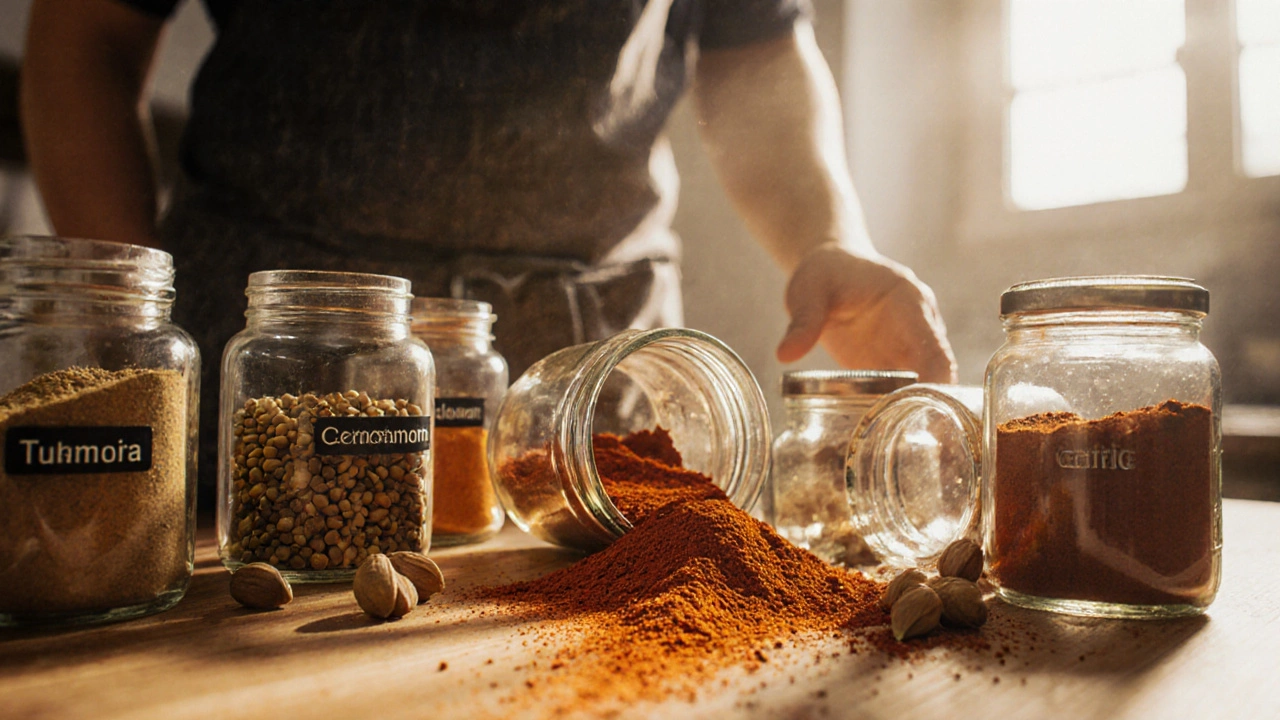
When you think of Indian food, one thing almost always shows up: garam masala spices, a warm, aromatic blend of whole spices ground into a fine powder that forms the backbone of countless Indian dishes. Also known as Indian spice mix, it’s not just a seasoning—it’s the final punch of flavor that turns a simple curry into something unforgettable. Unlike single spices like cumin or turmeric, garam masala is a harmony—cinnamon, cardamom, cloves, black pepper, cumin, coriander, and sometimes nutmeg or bay leaf—all toasted and ground together to deepen flavor without overpowering.
This blend isn’t added at the start of cooking. It’s stirred in near the end, like a secret ingredient that wakes up the whole dish. That’s why your biryani tastes richer, your paneer tikka more complex, and your dal more comforting when it’s got a pinch of garam masala at the finish. It’s not magic—it’s chemistry. Toasting the whole spices before grinding releases essential oils that heat alone can’t bring out. That’s why store-bought versions often fall flat: they’re not toasted, not fresh, and sometimes filled with filler. Real garam masala smells like a spice market in winter—earthy, sweet, and sharp all at once.
You’ll find it in almost every post here—whether it’s about fixing biryani, making paneer, or pairing dal with roti. The right garam masala makes the difference between good and great. And if you’ve ever wondered why your curry tastes flat even with all the right ingredients, chances are you’re missing this. It’s not about adding more spice—it’s about adding the right blend at the right time. Some families roast their own every few weeks. Others buy small batches from local spice sellers. Either way, freshness matters. A jar sitting for months loses its soul.
What’s in your garam masala? That’s personal. In North India, it’s heavy on cinnamon and cardamom. In the South, it might lean into black pepper and fennel. Some add star anise. Others skip cloves. There’s no single recipe—just the right balance for your taste. But the core? Always the same: warmth, depth, and a little mystery. This is why you’ll see it tied to dishes like butter chicken, chicken tikka masala, and even traditional sweets like kheer. It’s not just for savory food. It’s the quiet thread that connects almost every Indian meal.
Below, you’ll find real advice from people who’ve cooked these dishes—what works, what doesn’t, and how garam masala spices play a role in every step. No fluff. No guesswork. Just what happens when you get it right—or wrong.
Spices That Never Belong in Garam Masala - What to Avoid
Find out which spices never belong in traditional garam masala, why they're excluded, and get a handy checklist to keep your blend authentic.
Read More