Garam Masala Recipe: Authentic Blend, Uses, and Common Mistakes
When you think of Indian cooking, garam masala, a warm, aromatic spice blend used across India to finish curries, rice dishes, and meats. Also known as hot spice mix, it’s not just another seasoning—it’s the soul of many dishes, turning simple ingredients into something deeply comforting. Unlike pre-packaged versions that sit on shelves for months, fresh homemade garam masala smells like a kitchen in Lucknow or Varanasi—roasted cumin, cardamom, and cinnamon dancing together in perfect harmony.
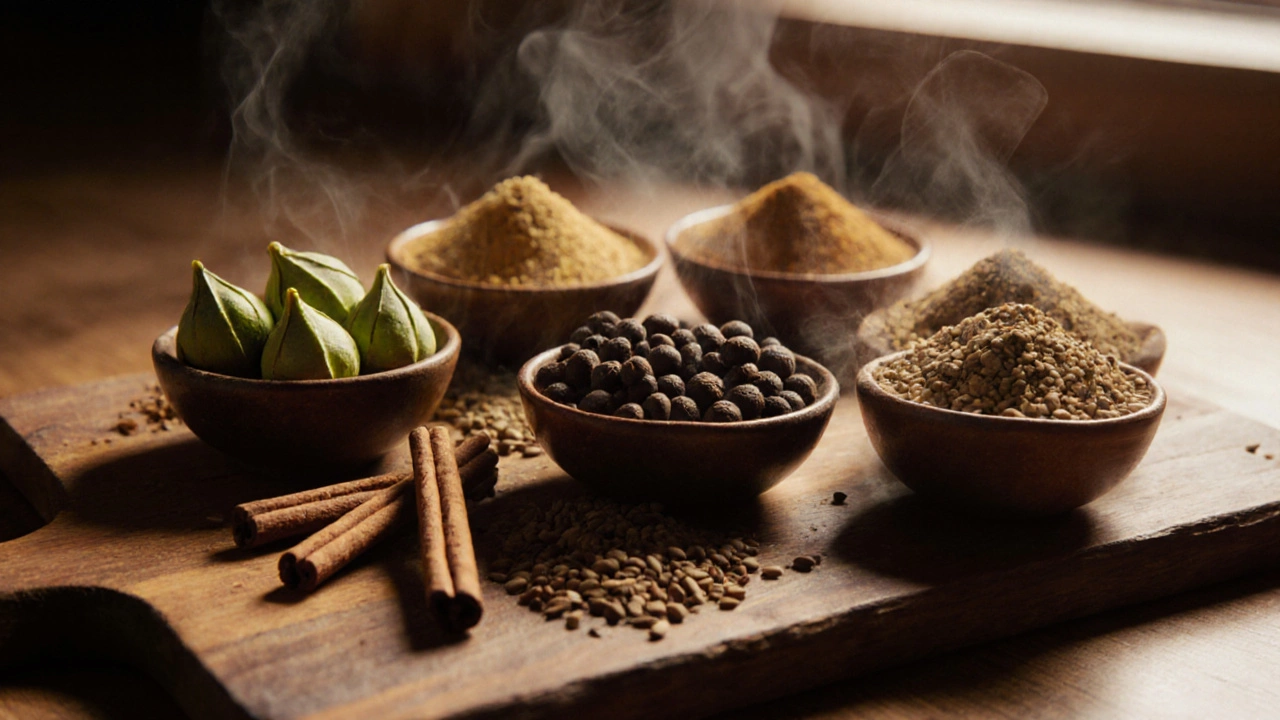
What makes a good garam masala, a spice blend typically made from whole spices roasted and ground fresh. Also known as Indian warming spice mix, it isn’t just about throwing spices into a grinder. The order matters. Toasting cumin and coriander seeds first brings out their earthiness. Adding whole black peppercorns and cloves later preserves their punch. Cinnamon and cardamom? They go in last—too much heat and they turn bitter. Most store-bought blends skip the roasting step entirely, which is why they taste flat. You don’t need a fancy grinder; a mortar and pestle works fine if you’re patient. The real secret? Use fresh spices. If your cardamom pods don’t crack open with a gentle squeeze, they’re old. And old spices don’t make good garam masala.
People often confuse garam masala, a finishing spice blend used in Indian cooking. Also known as warm spice mix, it with curry powder. Curry powder is a British invention—pre-mixed, standardized, and usually includes turmeric. Garam masala? No turmeric. Just warmth. It’s added at the end of cooking, not the start. That’s why your biryani or butter chicken tastes better when you sprinkle a pinch right before serving. It’s not a trick—it’s science. Heat kills volatile oils, and those oils are what give garam masala its fragrance. Add it too early, and you lose everything.
You’ll find this blend in almost every recipe on this site—from the garam masala recipe that powers your paneer tikka to the one that finishes your dal. It’s in the biryani, the korma, even the sweet rice pudding called kheer. But here’s the thing: no two households use the same recipe. In the north, they add more cloves and cinnamon. In the south, they might throw in star anise or fennel. Some even toss in dried rose petals. There’s no single truth—only what works for you. The posts below show you exactly how different families make it, what they leave out, and why their version tastes the way it does. You’ll learn how to fix bland garam masala, how long it lasts, and which spices to swap if you’re out of one. No fluff. Just real, tested ways to make this blend work for your kitchen.
Garam Masala in Biryani: Usage, Timing & Regional Variations
Explore whether garam masala belongs in biryani, when to add it, regional variations, DIY blends, and practical tips for perfect aromatic rice dishes.
Read More