Food Safety in Indian Cooking: Avoid Illness and Cook with Confidence
When it comes to food safety, the practices that keep meals safe to eat by preventing contamination, spoilage, and illness. Also known as culinary hygiene, it's not just about washing hands—it’s about understanding how milk, spices, fermentation, and cooking heat interact to either protect you or put you at risk. In Indian kitchens, where milk turns into paneer, dal ferments into dosa batter, and street stalls serve piping-hot curries, food safety isn’t optional. It’s the quiet rule that keeps your stomach happy and your meals delicious.
Take fermented foods, like dosa and idli batter, which rely on natural bacteria to develop flavor and digestibility. That sour tang? It’s not spoilage—it’s lactic acid bacteria doing their job. But if the batter sits too long in a warm kitchen without being covered, harmful molds can creep in. Same with milk, a core ingredient in Indian desserts, paneer, and raita, which spoils quickly if left unrefrigerated. You can make perfect paneer at home using lemon juice or vinegar, but if the milk was already off before you started, your paneer will taste sour—and maybe make you sick. And then there’s street food, a vibrant part of Indian culture that can be safe if you know what to look for: steam rising from the pot, oil that’s fresh and not reused, and vendors who handle money and food with separate hands.
Food safety in Indian cooking isn’t about fear. It’s about smart habits. Soaking dal for the right amount of time isn’t just for texture—it reduces anti-nutrients that cause bloating. Cooking biryani slowly over low heat isn’t just for flavor—it kills bacteria trapped in layers of rice and meat. Even something as simple as using clean utensils for raita, or storing leftover curry in shallow containers to cool fast, makes a difference. You don’t need a lab to keep your food safe. You just need to pay attention.
Some of the most common food safety mistakes happen in homes, not on the street. Leaving cooked rice out overnight. Using the same knife for raw chicken and then chopping veggies. Not boiling water before making tea. These aren’t myths—they’re real risks backed by cases of food poisoning across India. The good news? Most of them are easy to fix. Hot food stays hot. Cold food stays cold. Raw stays separate from cooked. And when in doubt, if it smells off, looks strange, or feels slimy—don’t risk it.
What you’ll find below are real, practical posts that cut through the noise. From how to tell if your dosa batter has gone bad to why you should never eat dal at night if you’re prone to bloating, these guides aren’t about theory. They’re about what works in your kitchen, your neighborhood, and your body. Whether you’re making paneer from a gallon of milk, choosing the safest street food in Mumbai, or just trying to keep your roti soft without it turning sour, the answers are here—no fluff, no guesswork, just clear, tested advice.
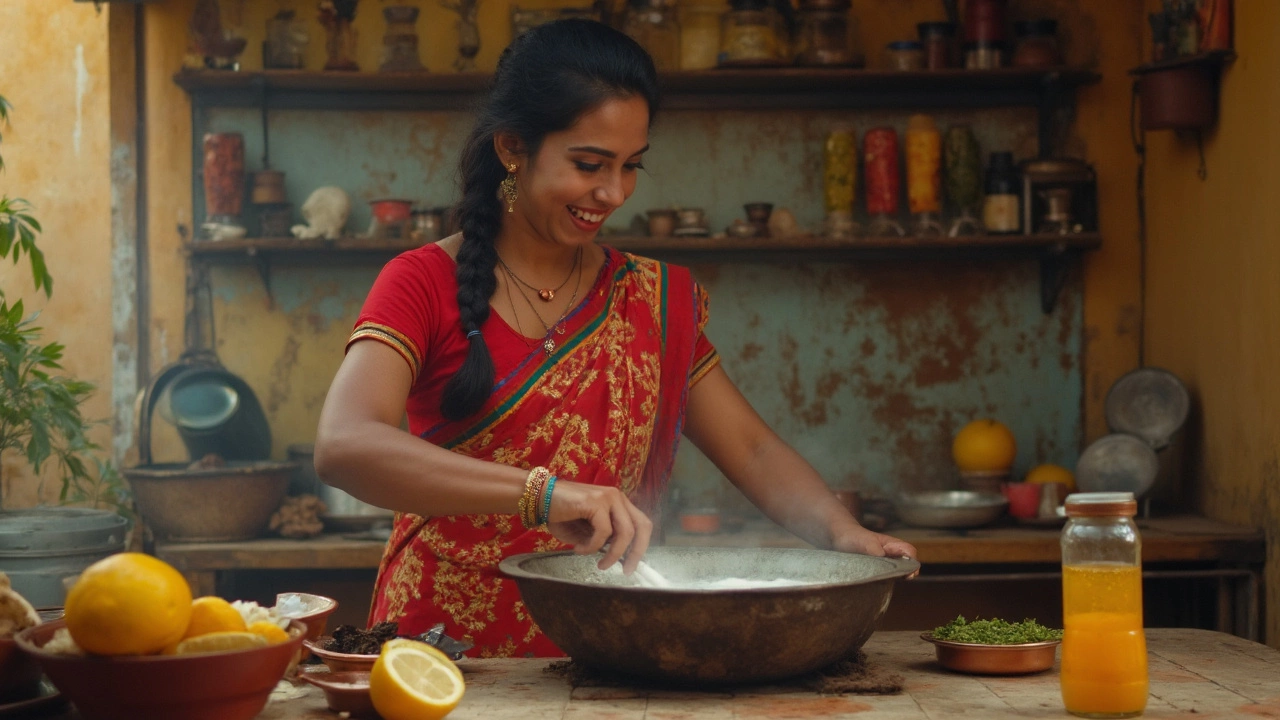
Is Curdled Milk the Same as Spoiled Milk? Understanding the Difference
A lot of folks get confused between curdled milk and spoiled milk, especially when making homemade paneer. While both involve milk changing consistency, curdling involves a deliberate process for culinary purposes, while spoilage indicates deterioration and potential health risks. Understanding these differences can save you from unnecessary waste and help you utilize curdled milk effectively. Learn how to recognize both conditions and transform curdled milk into delicious paneer at home.
Read More