Food Poisoning Prevention: How to Eat Safe Indian Food Without Fear
When you eat food poisoning prevention, the practices and habits that keep meals safe from harmful bacteria and toxins. It's not about avoiding Indian food—it's about knowing what to watch for, when to trust your gut, and how simple steps can stop illness before it starts. Many people think Indian food is risky, but that’s not the truth. The real issue isn’t the spices or the milk—it’s how things are handled. From street vendors to home kitchens, food hygiene, the clean practices used during food preparation and storage makes all the difference. A study from the Indian Council of Medical Research found that over 60% of foodborne illness cases in India come from improper storage, not the food itself.
Think about dairy safety, how milk and milk-based products like paneer and yogurt are treated to avoid spoilage and contamination. You’ve probably seen recipes for homemade paneer using slightly sour milk—that’s fine, as long as the milk hasn’t gone bad. But if the milk was left out too long in heat, or the container wasn’t clean, that’s where trouble begins. Same goes for dosa batter. Fermentation is natural, but if you let it sit for days in a dirty bowl, you’re inviting bad bacteria. The key isn’t to stop fermenting—it’s to ferment right. Clean containers, fresh ingredients, and the right temperature keep the good bugs working and the bad ones out.
Street food gets a bad rap, but it’s also where some of India’s best flavors live. The trick isn’t to avoid it—it’s to know what to look for. A vendor who uses fresh oil, covers their food, and doesn’t reuse water for cleaning is safer than a fancy restaurant with dirty hands. Look at the biriyani—if it’s been sitting out for hours under a cloth, skip it. But if it’s made fresh, steaming hot, and served with clean utensils, it’s fine. Even something as simple as raita can be risky if the yogurt was stored wrong. Always trust your eyes and nose. If it looks off, smells sour beyond normal, or feels slimy, walk away. You don’t need to be a scientist to spot danger—just be sharp.
Food poisoning isn’t some mystery—it’s preventable. It’s about clean surfaces, fresh ingredients, proper cooking temps, and knowing when something just doesn’t feel right. The posts below give you the exact details: how to make paneer safely from milk that’s just starting to turn, why dosa batter goes sour (and when it’s dangerous), how to spot a clean street vendor, and what common biryani mistakes can lead to contamination. You’ll find real, practical fixes—not theory. No fear. Just smart choices.
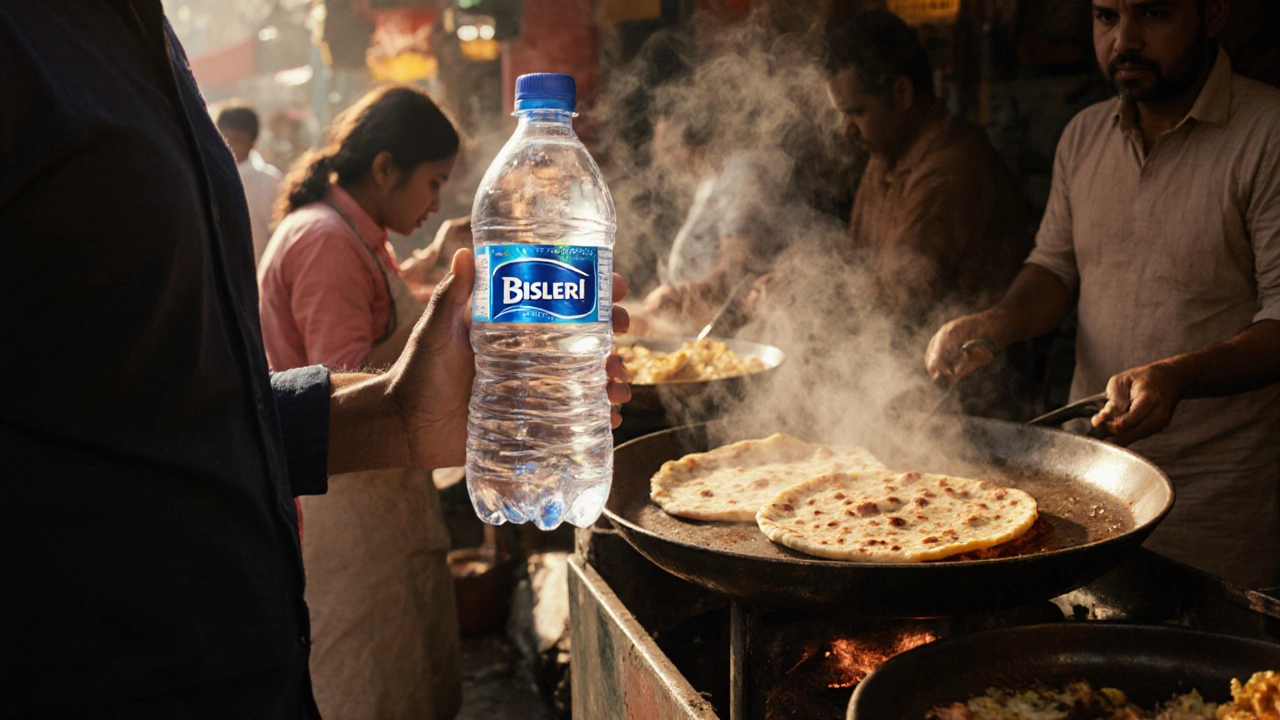
How to Avoid Getting Ill in India: Safe Eating Tips for Travelers
Learn how to enjoy Indian food safely without getting sick. From drinking bottled water to choosing hot, fresh street food, these simple tips help travelers avoid food poisoning and stomach issues in India.
Read More