Eating Rules in India: What You Need to Know About Indian Food Customs
When you eat in India, you’re not just having a meal—you’re following eating rules in India, a set of cultural, spiritual, and practical guidelines that shape what, when, and how people eat across the country. These rules aren’t just traditions—they’re lived daily by millions, from village homes to city street stalls. They come from religion, health beliefs, climate, and generations of trial and error. One person might skip carrots because of faith, another avoids dal at night for digestion, and a traveler might stick to hot, fresh street food to stay safe. These aren’t random habits. They’re systems.
Jain diet, a strict form of vegetarianism rooted in non-violence toward all life forms is one of the clearest examples. Jains don’t eat root vegetables like carrots, potatoes, or onions because pulling them up kills the entire plant—and possibly tiny organisms living in the soil. It’s not about nutrition. It’s about minimizing harm. Then there’s street food safety, the practical art of eating flavorful, affordable food without risking illness. In India, it’s not whether you eat street food—it’s how. Hot oil, fresh ingredients, and busy stalls are your friends. Cold sauces, cut fruit left out, and water from taps? Skip them. And then there’s dal at night, a common dietary caution based on digestion speed and sleep quality. Many avoid heavy lentil dishes after sunset because they ferment slowly in the gut, leading to bloating and restless nights. It’s not a myth—it’s physiology wrapped in tradition.
These rules aren’t rigid laws. They’re flexible patterns shaped by region, family, and personal belief. You’ll find people in Gujarat fasting on certain days, others in Tamil Nadu eating only vegetarian meals before noon, and families in Delhi serving biryani with raita not just for taste—but to cool the spices and aid digestion. The connection between food and well-being runs deep. What you eat isn’t just fuel. It’s tied to your body, your community, and your values.
Below, you’ll find real stories from real kitchens. Learn why dosa batter turns sour naturally, how to make paneer without weird flavors, and what makes biryani fail—and how to fix it. You’ll see why some sweets are tied to festivals, why roti stays soft for hours, and how to order like a local at a street stall. These aren’t just recipes. They’re clues to how India eats. And if you want to cook Indian food right, you need to understand the rules behind the food—not just the ingredients.
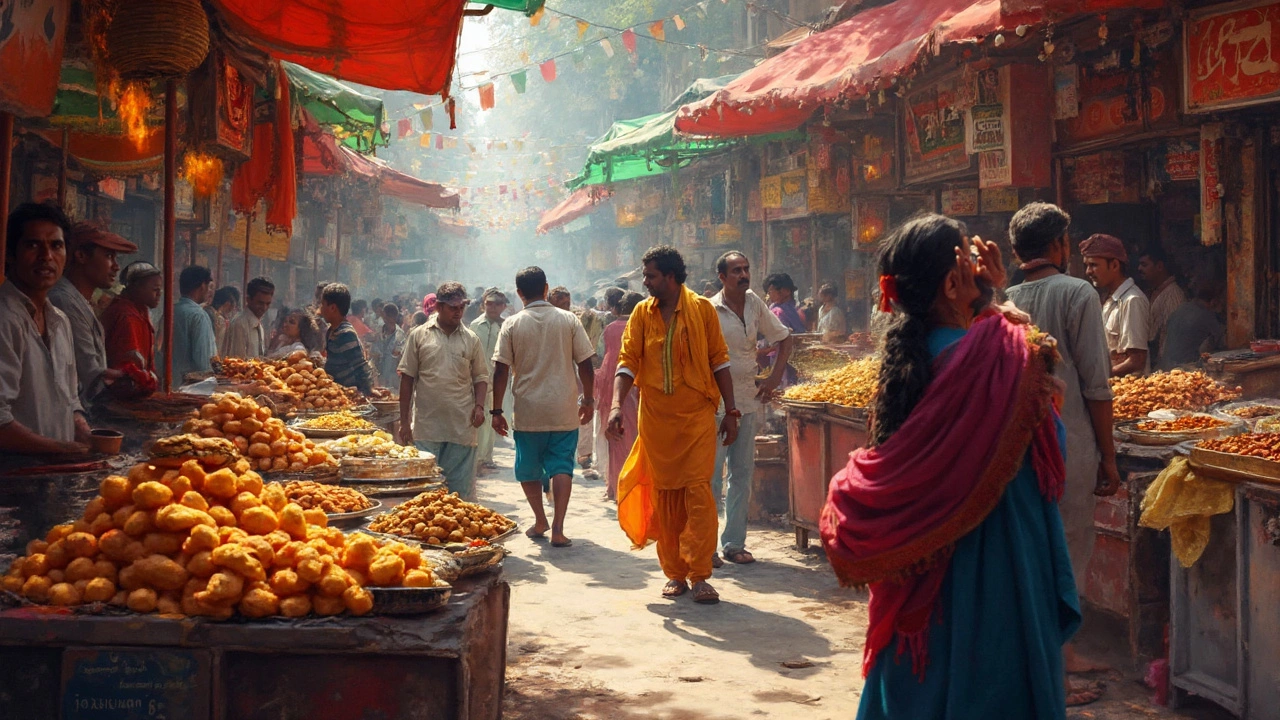
Essential Rules for Enjoying Street Food in India
Get ready to explore the vibrant world of Indian street food with some essential rules and tips. Navigating street food stalls in India can be a delightful adventure but requires some know-how. From picking the right stalls to trying iconic dishes, each choice you make can shape your culinary experience. Understanding hygiene practices and knowing what to avoid can make your journey both safe and enjoyable. This guide offers practical insights into savoring the best of Indian street cuisine.
Read More