Eat Street Food India: Best Bites, Safety Tips, and Local Lingo
When you eat street food India, you're not just grabbing a snack—you're tasting decades of regional tradition, quick-service innovation, and bold flavors made fresh on the sidewalk. It’s where a single bite of pani puri can burst with tangy tamarind, spicy mint, and crisp fried shells, or a hot samosa crunches under your teeth with spiced potatoes inside. This isn’t fast food—it’s Indian street food, a living, breathing part of daily life from Mumbai’s roadside stalls to Delhi’s night markets. And unlike restaurant meals, it’s made in front of you, served hot, and often cooked with ingredients you can’t find in supermarkets.
But street food safety, isn’t about avoiding it—it’s about knowing how to pick the right spot. You don’t need bottled water every time, but you do need to look for vendors with high turnover, clean hands, and food that’s piping hot when it hits your plate. Studies show that freshly fried, piping-hot items like bhel puri or jalebi are far safer than lukewarm or sitting-out snacks. And if you see a crowd of locals lining up? That’s your best sign. You’ll also hear Indian slang for okay, the word "Theekha"—used by vendors to confirm your order, signal spice level, or just say "got it". Learn that one word, and you’ll blend in faster than any phrasebook can teach you.
When you street food lingo, you’re learning how to order without pointing, how to ask for extra chutney without sounding rude, and how to spot when a vendor is proud of their recipe. It’s the difference between being a tourist and feeling like you belong. From the sizzle of paneer tikka on the grill to the steam rising off a plate of chole bhature, every stall tells a story. And the best part? You don’t need to be an expert cook to enjoy it. You just need to show up hungry, keep your eyes open, and trust your nose.
Below, you’ll find real advice from people who’ve eaten their way across India—tips on avoiding stomach trouble, why some dals are better at breakfast than dinner, how to make paneer from milk that’s gone a little sour, and why the white liquid served with biryani isn’t water—it’s raita. You’ll learn what makes dosa batter crisp, why Jains avoid carrots, and which Indian dish Americans can’t stop talking about. These aren’t just recipes. They’re the hidden rules of eating on the go in India. And they’re all here, written plainly, tested on the ground, and meant to help you eat smarter, not just eat more.
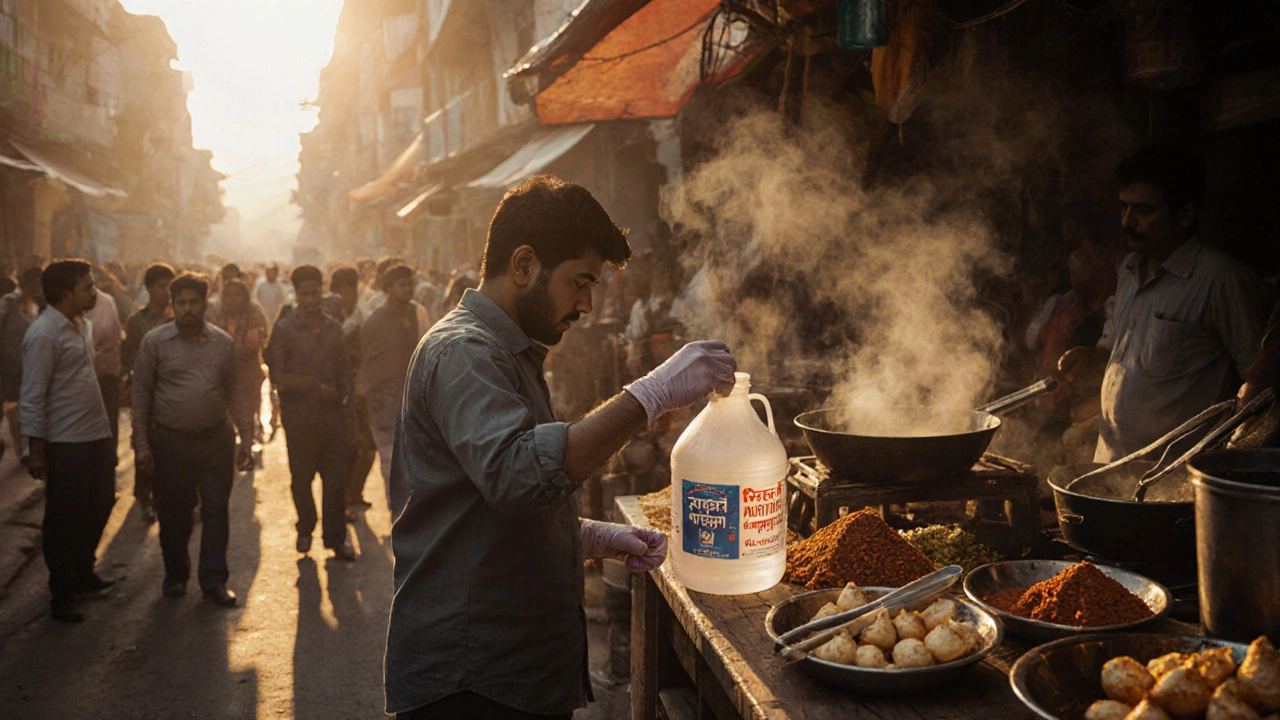
Is It Safe to Eat Street Food in India? A Practical Guide for Travelers
Is it safe to eat street food in India? Yes-if you know what to look for. Learn which foods are safest, how to spot clean vendors, what to avoid, and what to do if you get sick. No fear, just smart choices.
Read More