Dal Bitter: Why Your Lentils Taste Bitter and How to Fix It
When your dal bitter, a common issue in Indian cooking where lentils develop an unpleasant, sharp taste. Also known as bitter lentils, it usually happens because of how the dal is prepared—not because the lentils are bad. Many people assume bitter dal means spoiled ingredients, but the truth is simpler: it’s often about heat, timing, or what you add to the pot.
One major cause is turmeric, a spice used in almost every dal recipe for color and health benefits. When you fry turmeric too long or at too high heat, it turns bitter instead of earthy. Another culprit is asafetida, a pungent resin used in small amounts to aid digestion. Too much, or adding it raw instead of blooming in hot oil, can make your dal taste medicinal. Even lentils, the base of every dal dish. Some varieties, like urad dal or chana dal, naturally carry a slight bitterness if not soaked or rinsed well. And if you’re using old lentils? That bitterness gets worse.
Fixing bitter dal isn’t about fancy tools or expensive ingredients. It’s about control. Don’t let turmeric burn. Always rinse dal until the water runs clear. Add asafetida only after oil is hot, and never skip tempering. A pinch of jaggery or a splash of lemon juice at the end can balance out any leftover bitterness without masking the dal’s natural flavor. Many home cooks don’t realize how much these small steps matter—until they taste the difference.
What you’ll find below are real solutions from people who’ve been there. Posts that explain why your dal turns sour or bitter, how soaking time affects taste, what spices to avoid, and how to rescue a ruined pot. No guesswork. No fluff. Just clear, tested fixes that work in everyday kitchens across India.
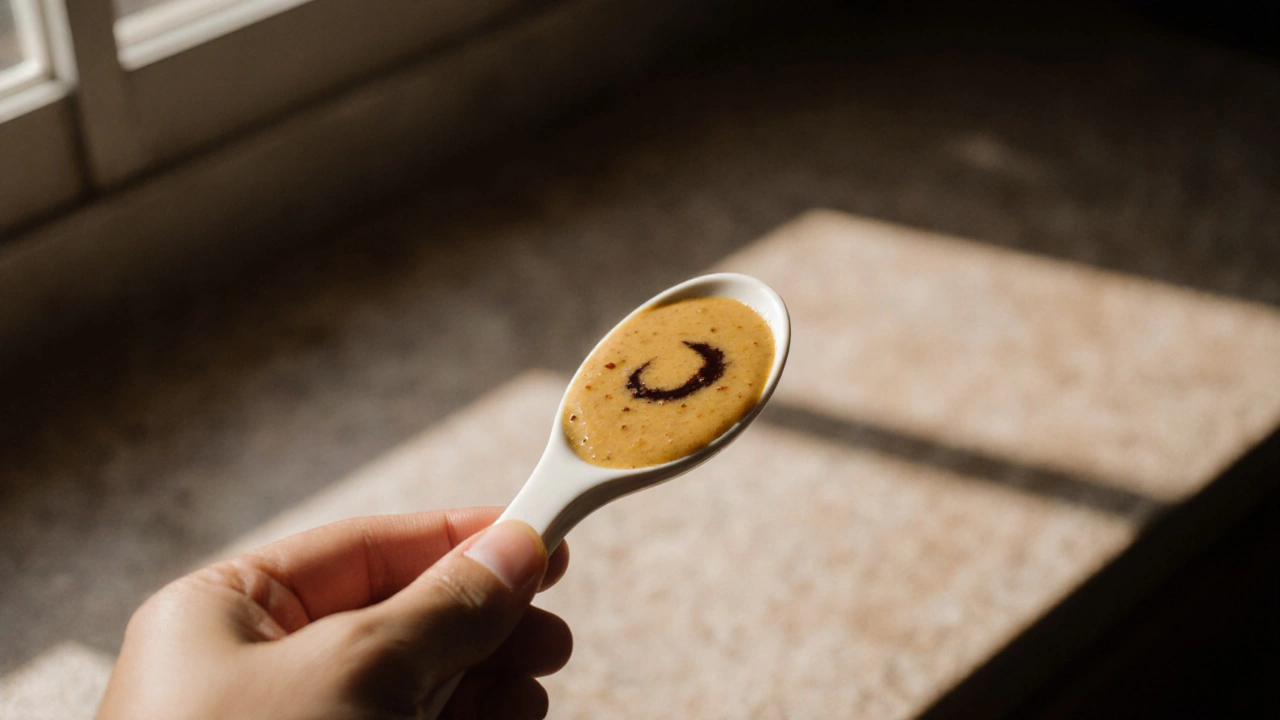
Why Is My Dal Bitter? Common Causes & Simple Fixes
Learn why dal can turn bitter, how to prevent it, and quick fixes to rescue a batch. Covers water quality, spices, cooking tips, and a handy checklist.
Read More