Dal: The Heart of Indian Meals and How to Get It Right
When you think of Indian food, one thing always shows up—dal, a simple, protein-rich lentil dish that’s cooked daily in homes from Delhi to Chennai. Also known as lentil curry, it’s the quiet hero of the Indian plate—never flashy, always reliable. Whether it’s yellow toor dal, red masoor, or green moong, dal isn’t just food. It’s tradition, it’s nutrition, and for many, it’s the first thing they eat in the morning and the last thing before bed.
But dal doesn’t work alone. It needs company. rice, the soft, fluffy base that lets dal shine is its oldest partner. Then there’s roti, the chewy, warm flatbread that scoops up every last drop. And don’t forget the sidekicks: tangy pickles, cooling raita, or a simple fried onion garnish. These aren’t optional extras—they’re what turn dal from a side dish into a full meal. You can’t have dal without them, and most Indian families won’t serve it any other way.
Getting dal right starts before you even turn on the stove. soaking dal, a simple step many skip, cuts cooking time and makes it easier to digest. Different dals need different times—some 30 minutes, others 4 hours. Skip this, and you’ll end up with mush or hard bits. And then there’s the timing: eating dal at night isn’t always a good idea. It’s heavy, slow to digest, and can leave you feeling bloated when you’re trying to sleep. That’s why many households serve it for lunch, not dinner.
There’s also the question of flavor. Dal isn’t bland—it’s layered. Tempering with cumin, mustard seeds, garlic, and dried chilies transforms plain lentils into something aromatic and alive. The trick? Don’t rush the tadka. Let the oil get hot, let the spices sizzle, then pour it over the dal. That’s the secret most restaurants use—and it’s easy to do at home.
What you’ll find below isn’t just a list of posts. It’s a practical guide to everything dal. From why some people avoid it at night, to the exact soaking times for each type, to the 10 best ways to serve it. You’ll learn what makes dal taste better, how to fix common mistakes, and which pairings make it unforgettable. No fluff. No theory. Just what works.
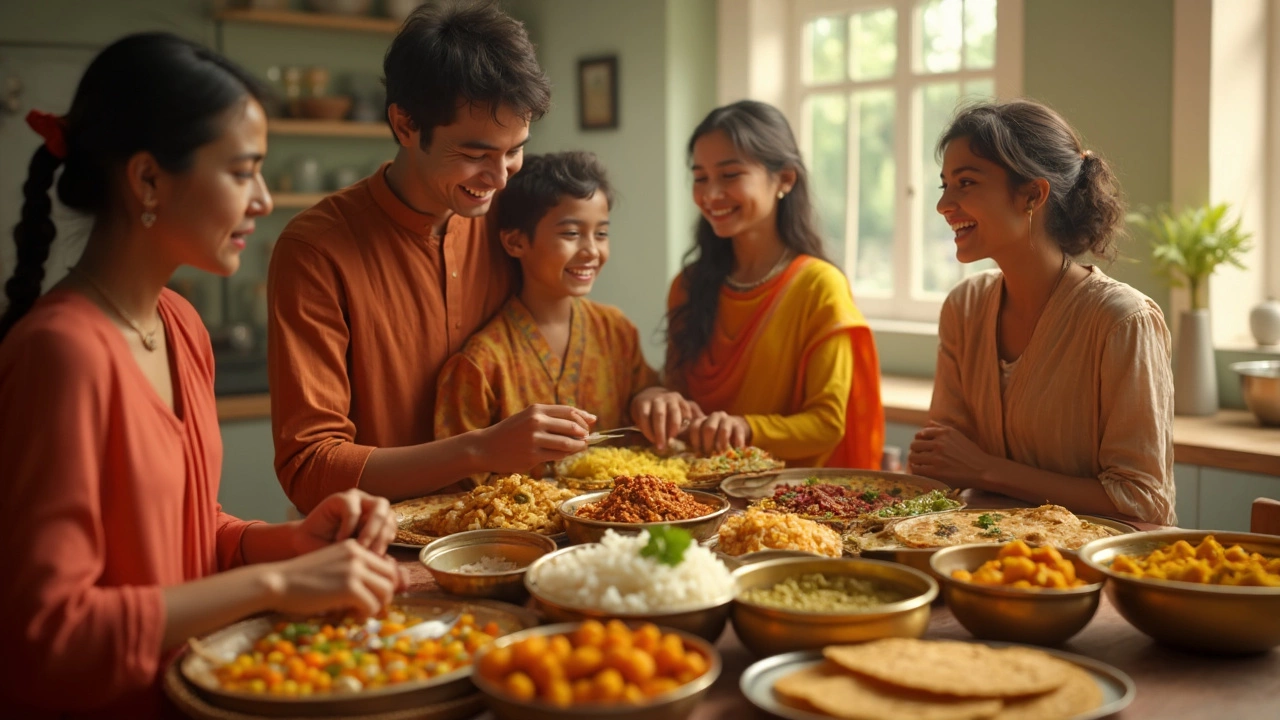
Why Dal Is Not Just a Protein: The Truth About Your Everyday Staple
Dal is often called a protein source, especially for vegetarians in India, but does it really give you enough protein on its own? This article unpacks why dal can’t be seen as a complete protein, looks at its actual nutritional value, and explains how you can make your dal meals healthier. Find out what makes up a complete protein, why dal falls short, and how to balance your dal with other foods. There are some smart tips for turning basic dal into a more nutritious dish. Perfect for anyone who wants to eat better without giving up their favorite dals.
Read More
Do Lentils Clean Your Gut? Simple Dal, Surprising Gut Benefits
Ever wondered if lentils can help clean your gut? This article digs into how simple dal recipes are packed with nutrients and fibers that benefit your digestive system. Find out what happens inside your gut when you eat lentils, why Indian kitchens swear by dal for smooth digestion, and how you can get those gut-boosting perks at home. Expect clear answers, science-backed facts, and easy recipes. Walk away knowing exactly what your next bowl of lentil soup can do for you.
Read More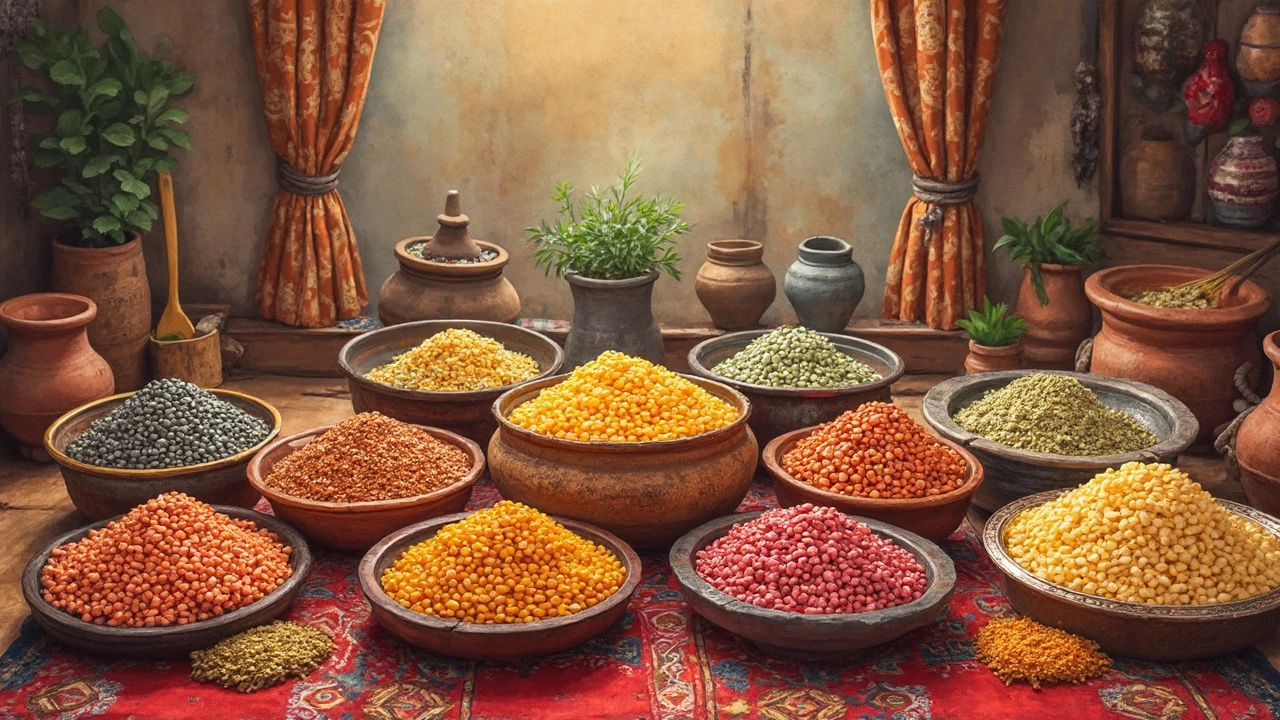
Dal vs Lentils: Are They Really the Same Thing?
Dal and lentils often get confused, but they have distinct roles in culinary traditions, especially in Indian cuisine. Dal refers to both the ingredient and the dish made from lentils or other legumes, while lentils are specific types of legumes themselves. Understanding the difference can elevate your cooking and appreciation of flavors. Learn how these two are used differently and the cultural significance they hold. Discover some tips to make your dal dishes a hit every time.
Read More