Curry Taste Tips: How to Fix and Enhance Your Indian Curry Flavor
When you're making curry, a spiced stew or sauce from Indian cuisine, often built on onions, tomatoes, garlic, ginger, and a blend of ground spices. Also known as Indian curry, it's not just about throwing spices into a pot—it's about timing, balance, and knowing when to add what. Too many people think curry is just spicy, but the real magic lies in depth. A good curry has layers: earthy cumin, sweet cardamom, tangy tamarind, and a touch of heat that lingers, not burns. If your curry tastes flat, bitter, or one-note, it’s not the recipe—it’s the technique.
Spices, the dried seeds, roots, or fruits ground into powder and used to flavor food. Also known as masalas, it’s not about using more—it’s about using them right. Toasting whole spices like cumin or mustard seeds in hot oil before adding anything else unlocks their oils and deepens flavor. Adding ground spices too late? They’ll taste raw. Add them too early? They’ll burn and turn bitter. The sweet spot is usually after the onions soften, but before you add liquid. And don’t forget acid, a key ingredient that brightens heavy dishes and cuts through richness. Also known as tang, it’s what turns good curry into great curry. A squeeze of lemon, a spoon of yogurt, or a pinch of amchur (dry mango powder) at the end can revive a dull dish. Many skip this step, thinking curry should be rich and heavy. But without acid, it just feels flat.
Another big mistake? Not letting the curry simmer. Curry isn’t fast food. It needs time for flavors to marry. The longer it simmers gently—especially after adding tomatoes or coconut milk—the smoother and more balanced it becomes. Rushing it means you get spice, not flavor. And if your curry is too thick? Add water or broth slowly. Too thin? Let it reduce. Don’t just add more spices to fix it—that’s how you end up with a mouthful of powder.
You’ll find posts here that explain why butter chicken is called the king of curries, how to make chicken curry taste restaurant-quality, and what common mistakes ruin even the best recipes. These aren’t theory lessons—they’re fixes real cooks use after burning a batch, tasting a bland pot, or getting confused by too many spice blends. Whether you’re new to Indian cooking or you’ve made curry a hundred times and still feel like something’s missing, the tips below will help you taste the difference.
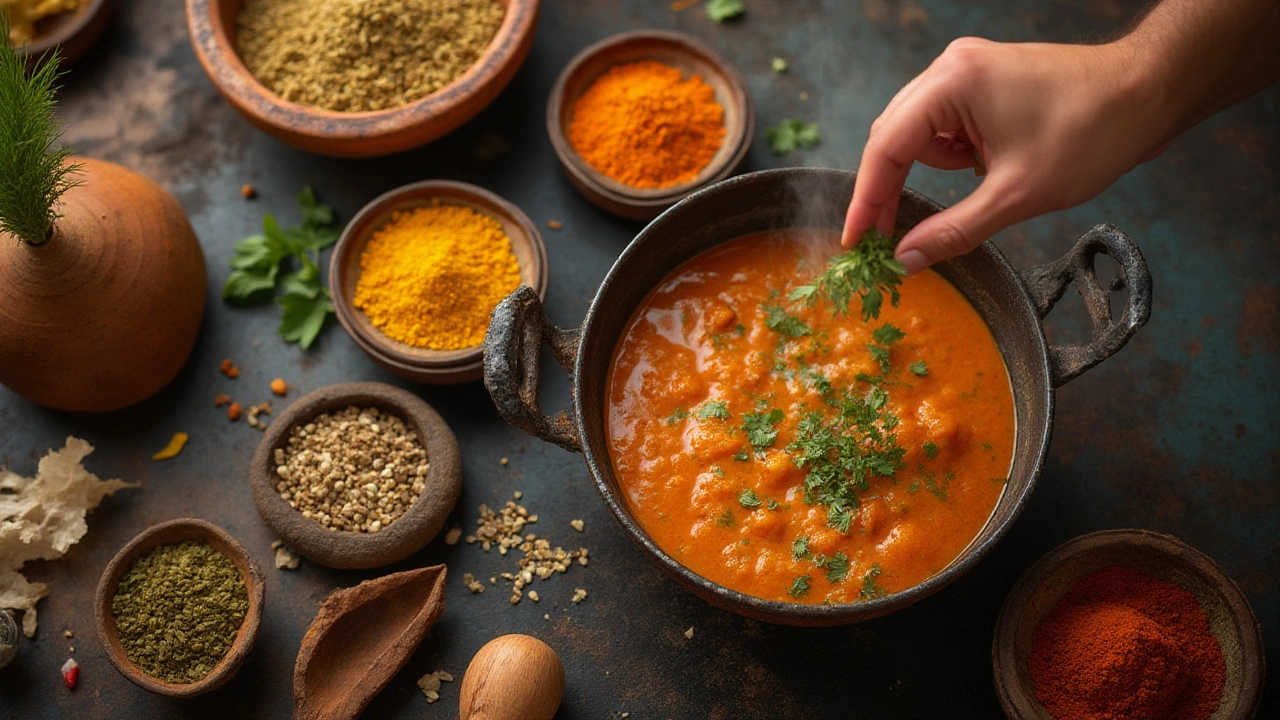
Secrets to Making Curry Taste Better: Flavorful Tips for Perfect Curry Every Time
Learn what truly makes curry more tasty, from spices and techniques to the chemistry behind flavor. Tips to improve your curry for that irresistible taste.
Read More