Cooking Paneer: Best Methods, Common Mistakes, and Perfect Results
When you think of cooking paneer, a fresh, soft Indian cheese made by curdling milk with acid. Also known as Indian cottage cheese, it’s the star of countless curries, stir-fries, and grilled dishes across India. Unlike Western cheeses, paneer doesn’t melt. It holds its shape, so it’s perfect for frying, grilling, or simmering in rich sauces. But getting it right isn’t just about buying it at the store—making it at home gives you control over texture, taste, and freshness.
One of the biggest mistakes people make is using the wrong acid. lemon juice, a natural, widely used acid for curdling milk. Also known as citric acid source, it gives paneer a clean, slightly tangy flavor without overpowering it. Vinegar works too, but it can leave a sharp aftertaste. Citric acid powder is the most precise, but most home cooks stick with lemon. The temperature of the milk matters just as much. Heat it to just below boiling—around 90°C—before adding the acid. Too cold, and the curds won’t form well. Too hot, and you’ll end up with grainy, dry paneer.
Then there’s the pressing. After the curds separate, you need to drain them and press out the whey. Use a heavy weight—like a cast-iron pan or a stack of books—for at least 30 minutes. Skip this step, and your paneer will be too soft, falling apart in your curry. And don’t forget to soak it in cold water afterward. It keeps the paneer tender and prevents it from turning rubbery when cooked.
You’ll also find that paneer yield, how much cheese you get from a given amount of milk. Also known as milk to paneer conversion, it’s not magic—it’s science. One gallon of full-fat milk gives you about 200 to 250 grams of paneer. Skim milk? You’ll get less. And if you’re using ultra-pasteurized milk, forget it—it won’t curdle properly. Stick to fresh, unhomogenized milk if you can.
When it comes to cooking with paneer, frying it first makes a huge difference. A quick sear in oil or ghee gives it a golden crust and locks in moisture. Then toss it into your gravy. Don’t boil it for too long—paneer soaks up flavor like a sponge, but overcooking turns it tough. A few minutes in the sauce is enough.
Some recipes call for soaking paneer in warm water before adding it to the dish. That’s a trick used in restaurants to keep it soft. It works. But if you made your paneer right and pressed it well, you might not need it. It’s a backup plan, not a requirement.
And if you’ve ever wondered why your paneer tastes bland? It’s probably because you didn’t salt the milk before curdling. A pinch of salt in the hot milk before adding lemon juice seasons the paneer from the inside out. No need to salt later—it’ll be uneven.
There’s no single way to cook paneer, but there are plenty of wrong ways. You don’t need fancy tools. Just good milk, the right acid, patience with pressing, and a little care when frying. Whether you’re making paneer tikka, palak paneer, or just tossing it into a simple curry, the foundation is the same: fresh, well-made paneer.
Below, you’ll find real fixes for common paneer problems, step-by-step guides for making it from scratch, and tips on how to use it in dishes that actually taste like they came from an Indian kitchen—not a takeout box.
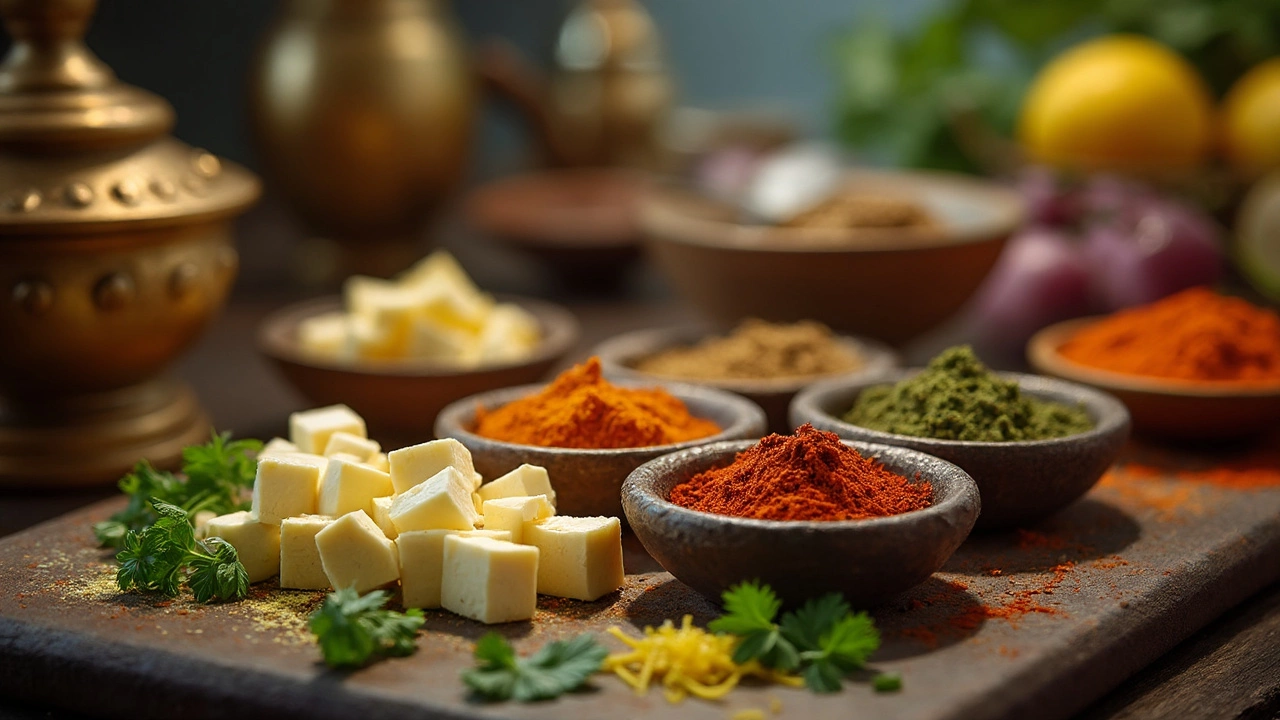
Should You Marinate Paneer Before Cooking?
Discover the pros and cons of marinating paneer before cooking, and learn practical tips on creating flavorful dishes. Understand the role of marination in enhancing paneer taste and texture. Get insights into when it might be necessary to marinate paneer and when you can skip it. Explore easy recipes and guidelines for creating quick and tasty paneer dishes.
Read More