Candy Floss: The Sweet, Fluffy Treat with Indian Roots
When you think of candy floss, a spun sugar confection popular at fairs and festivals, also known as cotton candy in some regions, you might picture a pink cloud at a carnival. But in India, candy floss isn’t just a novelty—it’s part of a deep-rooted tradition of sugar-based sweets that go back centuries. From jalebi to gulab jamun, Indian desserts often rely on sugar, milk, and heat to create texture and joy. Candy floss fits right in—not as a main course, but as a festive highlight, especially during Diwali, Holi, and local temple fairs.
What makes Indian candy floss different? It’s often made with plain white sugar, no artificial colors or flavors, and sometimes even a hint of cardamom or rose water. Unlike the mass-produced versions you find abroad, homemade candy floss in India is spun fresh, right in front of you, by vendors using simple hand-cranked machines. It’s lighter, less sticky, and melts faster on the tongue. This treat doesn’t need refrigeration, doesn’t spoil easily, and is perfect for outdoor events—making it ideal for India’s warm climate and street-side celebrations. It’s also a low-cost indulgence, which is why you’ll see kids clutching it after school or families buying it as a treat after temple visits.
Even though candy floss isn’t listed among the top 10 traditional Indian sweets in most guides, it’s deeply woven into the culture of celebration. It shares space with gulab jamun, deep-fried milk dumplings soaked in sugar syrup, a staple in Indian dessert trays, and rasgulla, soft cheese balls in light syrup, originating from Bengal and loved nationwide. While those sweets are made with milk and slow-cooked syrup, candy floss is the quick, airy cousin—made in minutes, eaten in seconds. It’s the dessert you grab when you want something fun, not heavy. And unlike paneer or dosa batter, which need precise fermentation or curdling, candy floss is pure simplicity: sugar, heat, and spin.
You won’t find it in every Indian home kitchen, but you’ll find it in every Indian festival. It’s the treat that brings smiles to adults and kids alike, the one that doesn’t require a recipe book or fancy tools. It’s also a reminder that Indian sweets aren’t just about richness—they’re about moments. A bite of candy floss isn’t about nutrition or tradition alone; it’s about the sound of the machine whirring, the smell of hot sugar in the air, and the joy of watching something so delicate appear out of nowhere.
Below, you’ll find posts that explore the wider world of Indian sweets—from the science behind fermentation in dosa batter to the best acids for making paneer, and why certain desserts are tied to festivals and family rituals. Candy floss might seem simple, but it’s part of a bigger story: how sugar, milk, and heat come together across India to turn everyday moments into something sweet.
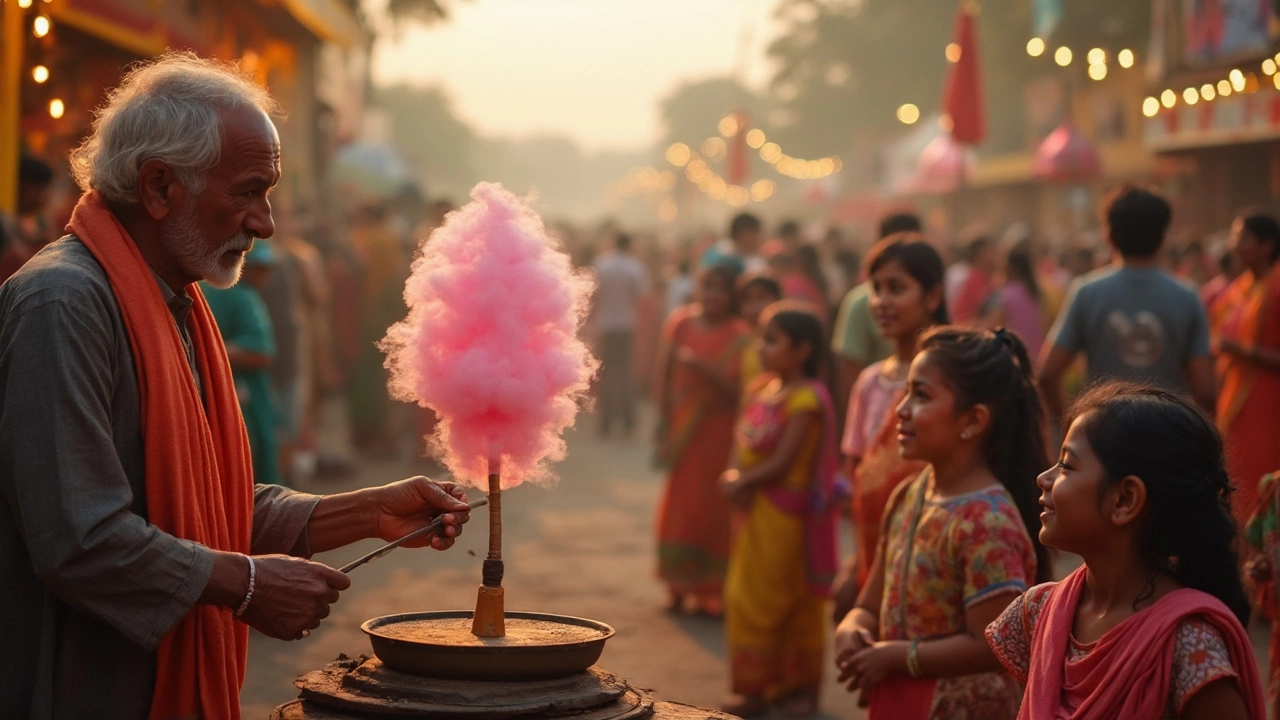
Indian Candy Floss: The Sweet Story Behind This Fun Dessert
Indian dessert candy floss, often called buddhi ke baal or sweet cotton, is spun sugar that's light, airy, and loved at fairs and festivals. This guide digs into the history, names, and how this nostalgic treat is made. You'll get tips to make it at home, learn about regional twists, and even some quirky facts. No tricky steps, just a sweet deep dive into an Indian fairground favorite. Find out what makes it a timeless hit from childhood to today.
Read More