Bitter Dal Causes: Why Your Lentils Taste Bitter and How to Fix It
When your bitter dal, a common cooking problem in Indian kitchens where lentils develop an unpleasant, sharp taste shows up in your bowl, it’s not your fault—it’s usually one of five simple mistakes. Many people think bitter dal is just how it’s supposed to taste, but that’s not true. Real, well-cooked dal should be earthy, warm, and comforting—not sharp or metallic. This issue isn’t rare; it happens when the lentils aren’t prepped right, cooked too fast, or paired with the wrong spices. The good news? Fixing it takes less than five minutes and doesn’t need fancy tools.
The main bitter dal causes, the specific reasons lentils turn unpleasantly bitter during cooking are often hidden in plain sight. First, using old or low-quality dal is a big one. Lentils, like any dried legume, lose their freshness over time. If your chana dal or toor dal has been sitting in your cupboard for over a year, it’s likely to taste bitter, even if it looks fine. Second, not rinsing the dal properly traps dust, husk, or even small stones that carry bitterness. Third, overcooking or boiling too hard breaks down the lentils and releases tannins—natural compounds that turn sour or bitter when exposed to heat too long. Fourth, adding too much turmeric or asafoetida (hing) can tip the balance. And fifth, cooking dal in hard water? That’s a silent culprit. Minerals in unfiltered water can react with the lentils and make them taste off.
You don’t need to throw out your pot. The fix is simple: rinse your dal under cold water until the water runs clear—that alone removes 80% of bitterness. Then, soak it for 20 minutes before cooking to soften it gently. Cook on low heat, not a rolling boil, and add a pinch of sugar or a tiny piece of jaggery to balance any lingering sharpness. If you’re using hing, use just a pinch—it’s potent. And if you live in an area with hard water, boil it first and let it cool before using it for dal. These aren’t tricks from a chef’s notebook—they’re the same steps grandmothers in rural Punjab and Tamil Nadu have used for generations.
What you’ll find in the posts below isn’t just a list of recipes. It’s a practical guide to fixing what goes wrong in everyday Indian cooking. From why dal soaking time, the duration lentils should sit in water before cooking to improve texture and digestibility matters, to how what to eat with dal, the traditional side dishes that balance flavor and aid digestion can make a bland dish feel complete, every post here solves a real problem you’ve probably faced. No fluff. No theory. Just clear, tested ways to make your dal taste like it should—rich, smooth, and comforting.
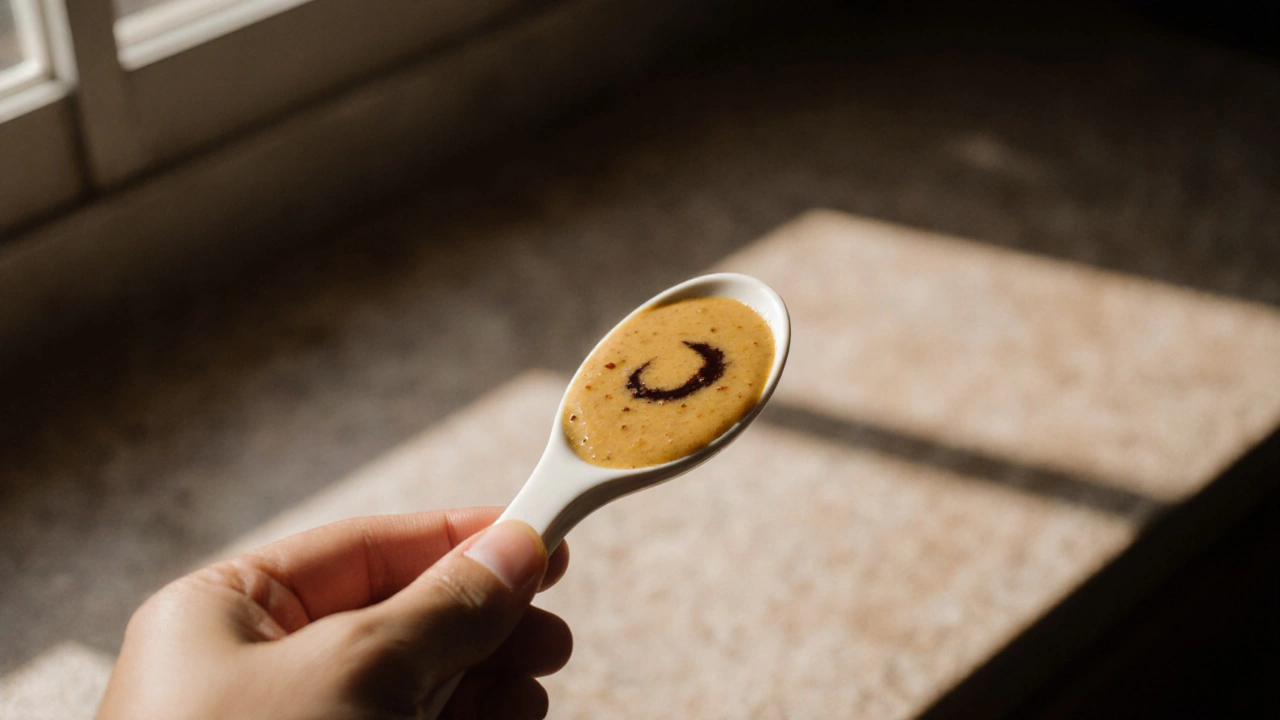
Why Is My Dal Bitter? Common Causes & Simple Fixes
Learn why dal can turn bitter, how to prevent it, and quick fixes to rescue a batch. Covers water quality, spices, cooking tips, and a handy checklist.
Read More