Beginner Indian Cooking: Easy Start to Authentic Flavors
When you start beginner Indian cooking, the foundational practice of making everyday Indian meals with simple tools and accessible ingredients. Also known as Indian home cooking, it’s not about fancy spices or hours in the kitchen—it’s about understanding how milk, lentils, and heat turn basic ingredients into something deeply satisfying. Most people think Indian food is complicated, but that’s not true. The real secret? It’s patience. Letting dosa batter ferment overnight, soaking dal long enough to soften, or letting paneer curdle slowly—these aren’t steps you skip. They’re what make the difference between bland and brilliant.
One of the biggest hurdles for new cooks is dosa batter, a fermented mixture of rice and lentils used to make crispy pancakes. Also known as fermented rice batter, it’s not magic—it’s biology. Lactic acid bacteria do the work, and if you rush it with yeast, you lose the tang and the health benefits. Then there’s paneer, a fresh, non-melting cheese made by curdling milk with acid. Also known as Indian cottage cheese, it’s easier to make than you think. Lemon juice, vinegar, or citric acid all work, but each gives a slightly different texture. You don’t need fancy equipment—just hot milk and a cloth.
And don’t worry if your first biryani isn’t perfect. biryani, a layered rice dish with meat, spices, and saffron. Also known as Indian rice casserole, it’s often seen as intimidating, but it’s really just about layering, steaming, and letting flavors marry. You don’t need a dum pot. A heavy pot with a tight lid works fine. The same goes for roti, a soft, unleavened flatbread made from whole wheat flour. Also known as chapati, it’s not about rolling it perfectly thin—it’s about cooking it hot and keeping it covered so it stays soft for hours.
Indian cooking isn’t about following rigid rules. It’s about learning patterns. If your dal tastes flat, pair it with raita or pickles. If your dosa sticks, your griddle isn’t hot enough. If your paneer is crumbly, you didn’t press it long enough. These aren’t failures—they’re lessons. Every mistake you make now builds your intuition. And you don’t need to cook everything at once. Start with one dish. Master it. Then add another. The beauty of Indian food is that it rewards consistency, not perfection.
Below, you’ll find real fixes for real problems—why your dosa isn’t crispy, how to avoid bloating from dal, what acid gives the best paneer, and why biryani isn’t as hard as it looks. No fluff. No jargon. Just clear, practical advice from people who’ve been there. You’ve got this.
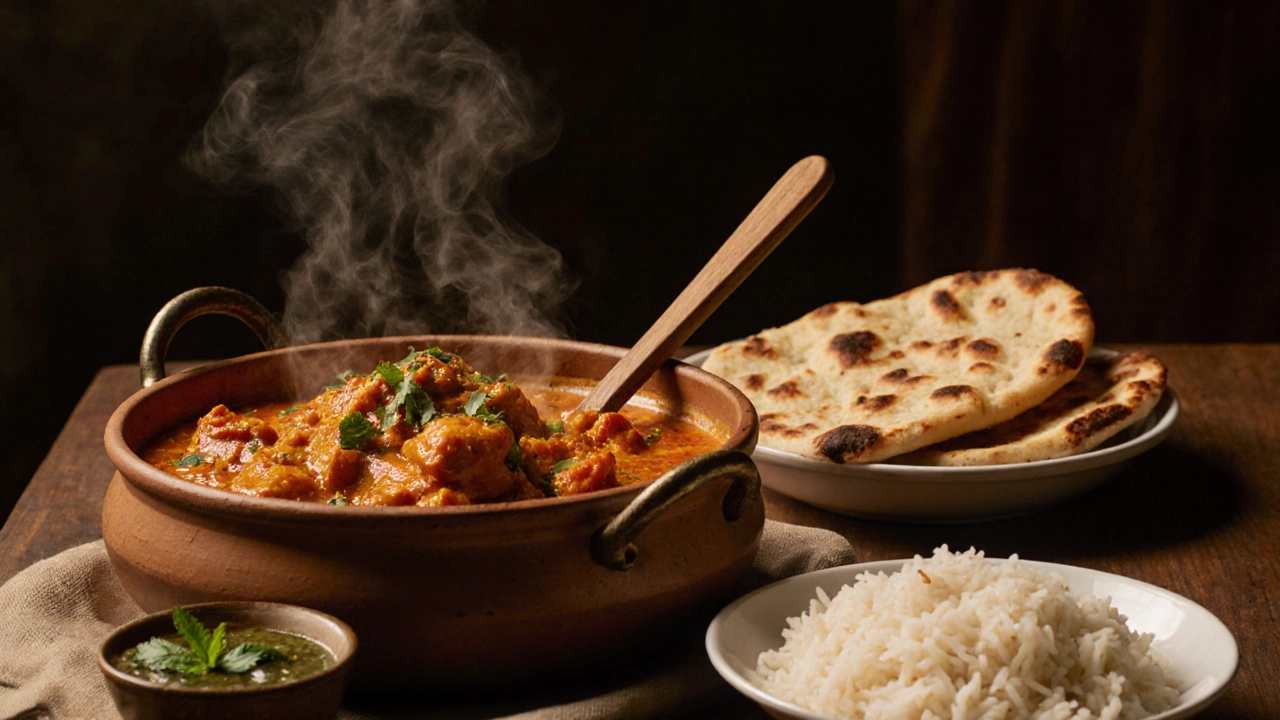
What Indian Food to Cook for American Guests? Easy Recipes That Wow
Discover the easiest Indian dishes to cook for American guests-mild, flavorful, and crowd-pleasing. Butter chicken, samosas, paneer tikka, and naan are perfect starters that impress without overwhelming.
Read More