Healthy Eating in India: Smart Choices for Everyday Meals
When it comes to healthy eating, making smart food choices that support energy, digestion, and long-term wellness. Also known as nutritious eating, it’s not about cutting out your favorite Indian dishes—it’s about choosing the right versions, at the right time, and in the right way. Many people assume Indian food is too oily, heavy, or carb-loaded to fit a healthy lifestyle. But that’s not true. The real issue isn’t the cuisine—it’s how we prepare and when we eat it.
Take digestion, the body’s process of breaking down food for energy and nutrient absorption. Also known as gut health, it’s deeply affected by what you eat after sunset. Eating dal at night isn’t bad because lentils are unhealthy—it’s because they’re slow to digest when your metabolism slows down. Same goes for biryani: it’s not the rice or meat that’s the problem, it’s the ghee, fried onions, and large portions eaten right before bed. weight loss, burning more calories than you consume while preserving muscle and energy. Also known as fat loss, it doesn’t require skipping Indian meals—it just needs smarter timing and ingredient swaps. A bowl of moong dal khichdi with yogurt before bed can help you lose fat overnight. A plate of butter chicken at 10 PM? That’s a recipe for bloating and stalled progress.
And if you’re traveling, food safety, the practices that prevent illness from contaminated or improperly handled food. Also known as traveler’s digestive health, it’s not about avoiding street food—it’s about knowing what to look for. Hot, freshly cooked food from a busy stall is safer than lukewarm food sitting under a plastic cover. Bottled water isn’t a luxury—it’s a basic tool for staying healthy. Healthy eating in India isn’t about eating bland food or giving up flavor. It’s about knowing which curries are naturally low in fat, which takeaway dishes pack the least sodium, and which bedtime snacks actually help your body burn fat while you sleep.
You’ll find real answers here—not myths. No sugar-coated advice. Just what works: which Indian curry to order when you’re watching calories, why some dals are better at night than others, how to eat biryani without regret, and the exact foods that keep your stomach happy while traveling. This isn’t a list of restrictions. It’s a guide to eating well, enjoying your food, and feeling great—every single day.
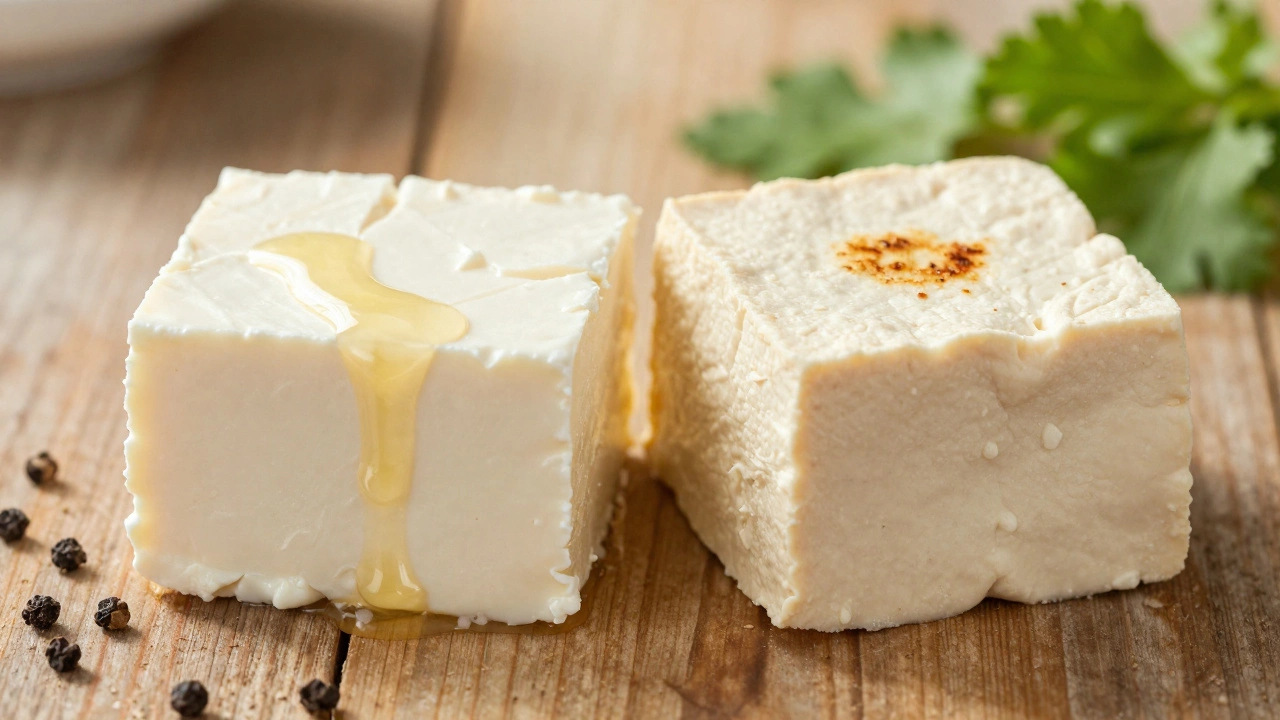
Is Paneer Better Than Tofu for Weight Loss? The Real Difference
Paneer and tofu both offer protein for weight loss, but tofu is lower in calories and saturated fat, making it the smarter daily choice. Homemade paneer can fit in moderation, but overuse slows progress.
Read More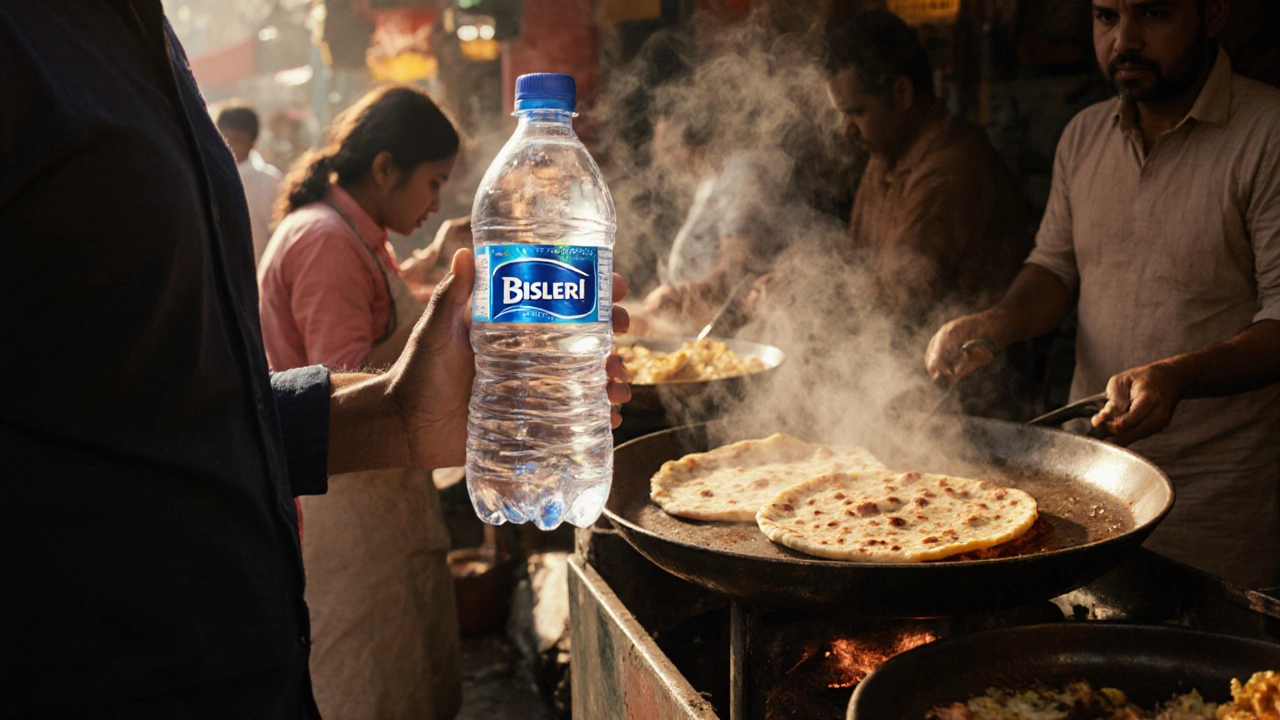
How to Avoid Getting Ill in India: Safe Eating Tips for Travelers
Learn how to enjoy Indian food safely without getting sick. From drinking bottled water to choosing hot, fresh street food, these simple tips help travelers avoid food poisoning and stomach issues in India.
Read More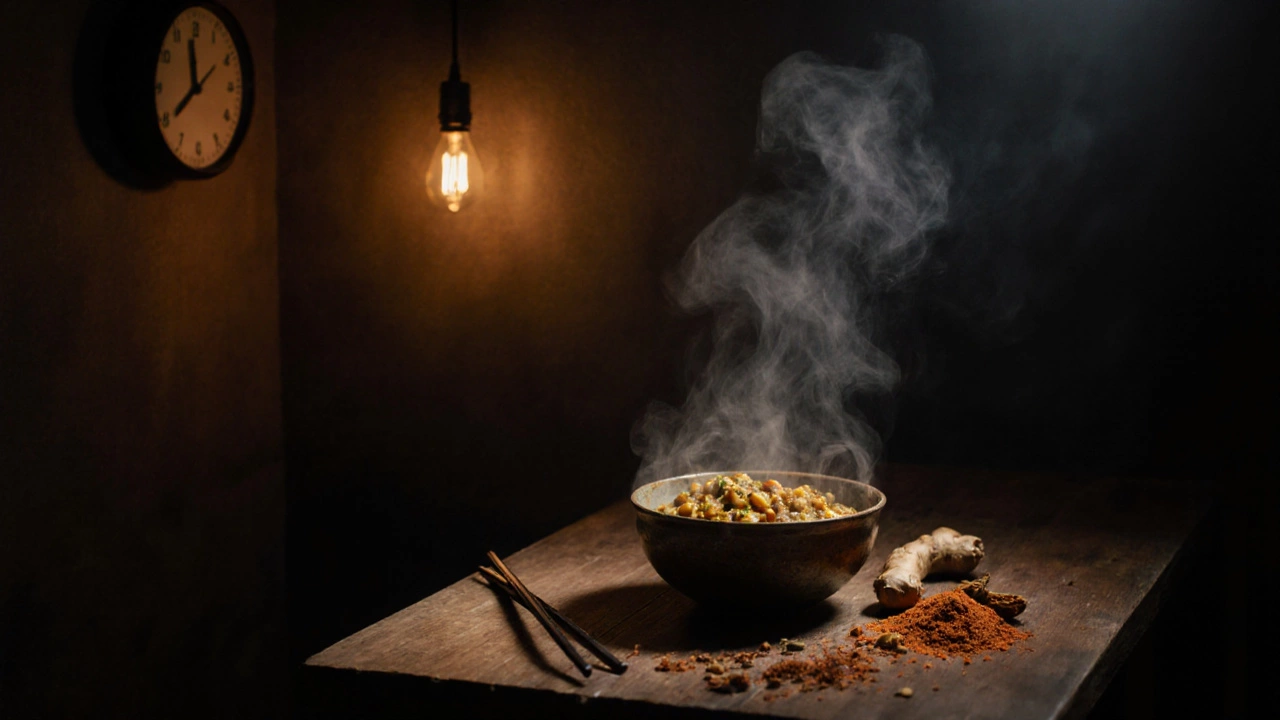
Why You Should Avoid Eating Dal at Night
Eating dal at night can cause bloating, poor sleep, and slow digestion. Learn why certain dals are harder to digest after sunset and what lighter alternatives work better for evening meals.
Read More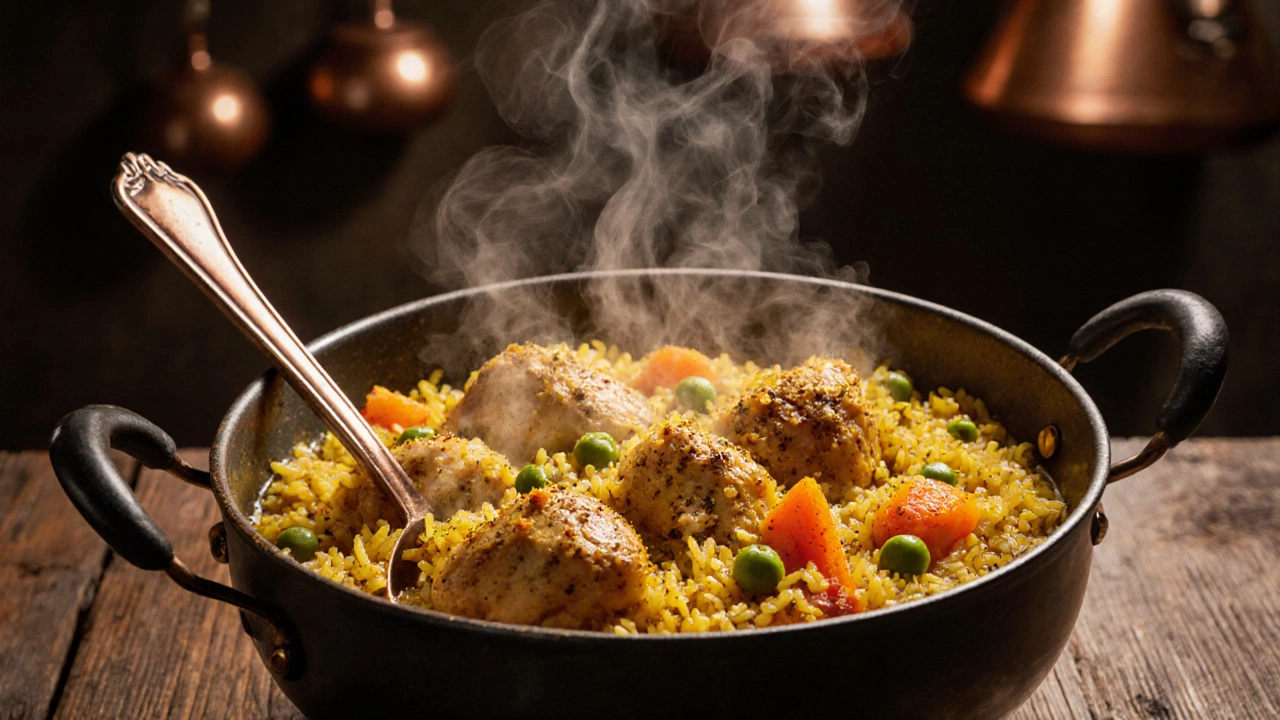
Is Biryani Healthy? A Balanced Look at Nutrition, Risks, and Tips
Explore if biryani can fit a healthy diet, understand its nutrition, and learn practical tweaks to make this beloved dish lighter without losing flavor.
Read More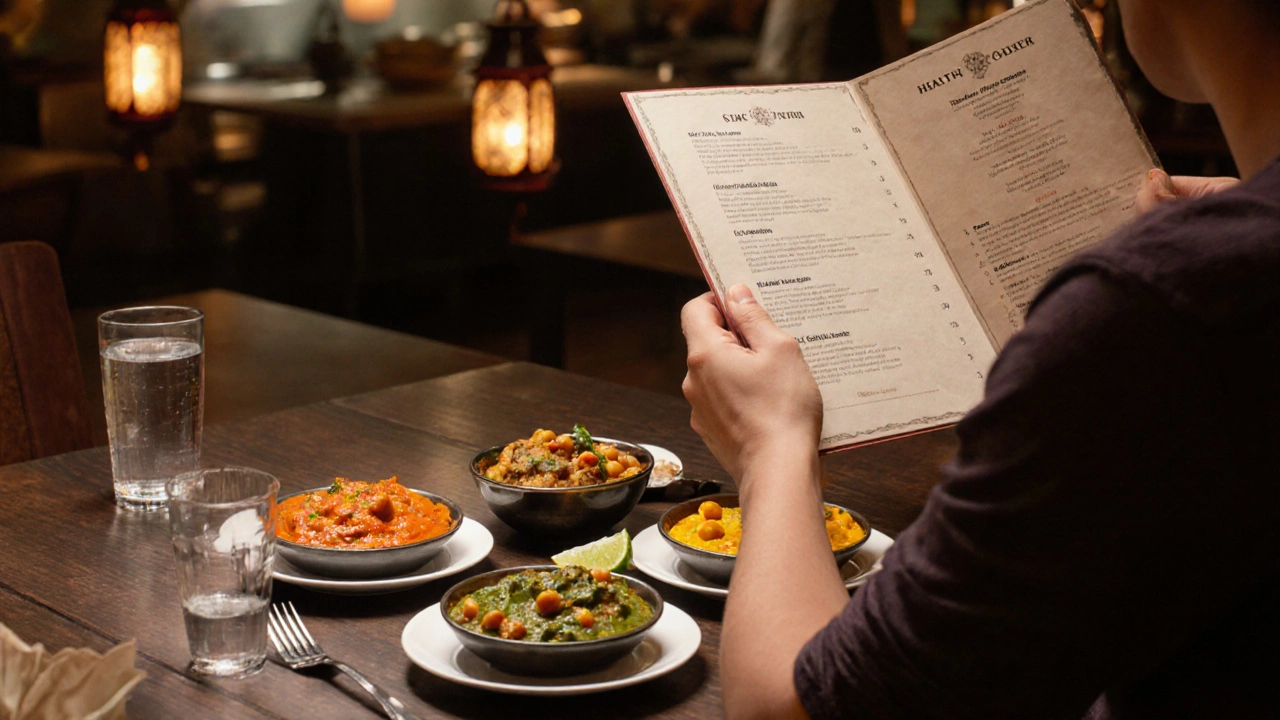
Healthiest Indian Curry to Order: A Nutrition‑Focused Guide
Discover which Indian curries are lowest in calories, fat and sodium, plus tips for ordering healthier meals at restaurants.
Read More
Best Foods to Eat Before Bed for Weight Loss
Discover the top low‑calorie, high‑protein foods you can enjoy before sleep to boost fat burning, protect muscle, and still get a good night’s rest.
Read More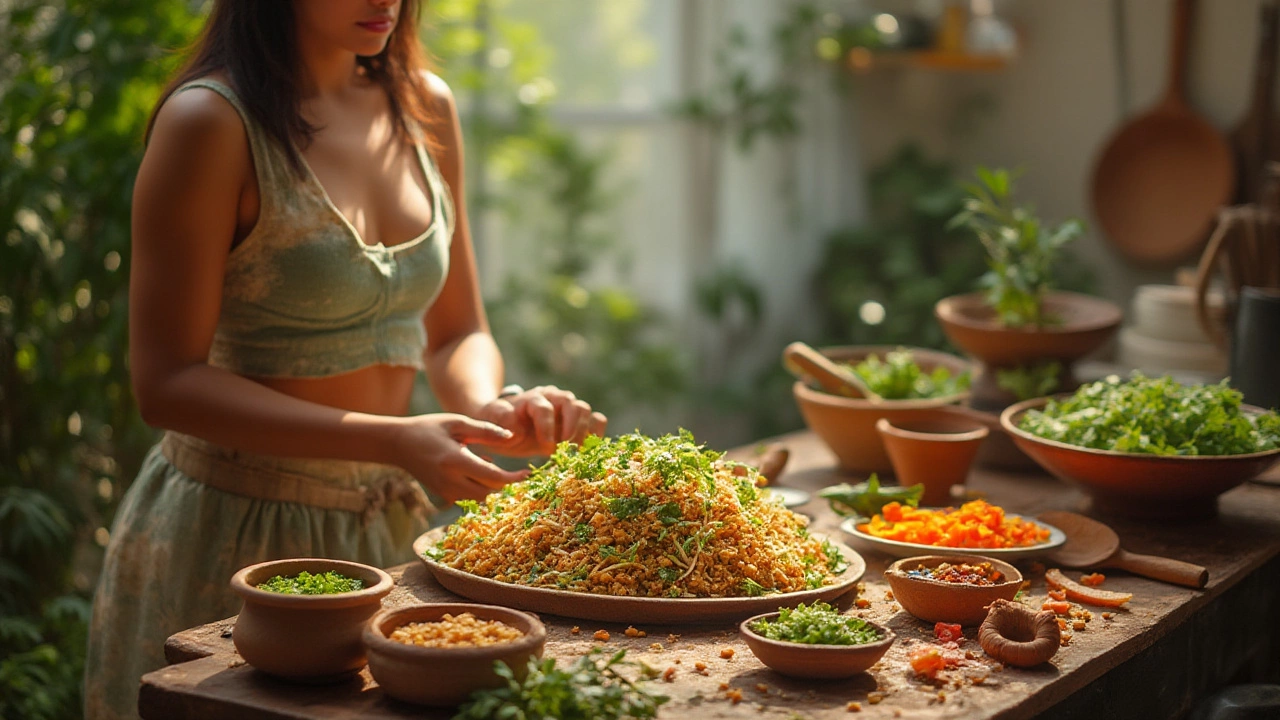
Best Indian Dish for Weight Loss: Healthy Recipes & Real Tips
Hungry for Indian food but want to lose weight? Discover the healthiest Indian dish for weight loss, with simple recipes and science-backed tips anyone can try.
Read More
Is It Bad to Eat Dal at Night? Unpacking Facts & Myths for Better Sleep
Uncover the surprising truth about eating dal at night. Learn about digestion, myths, real-life experiences, and tips for a restful night after your meal.
Read More
Smart Ways to Prevent Stomach Problems While Traveling in India
Discover practical tips for avoiding a bad stomach while visiting India. Get real advice on staying healthy, eating safely, and what to watch out for with local foods.
Read More
Healthiest Indian Takeaway Dishes: Healthy Choices & Nutrition Tips
Wondering which Indian takeaway is healthiest? Discover nutritious dishes, calorie data, and expert tips for ordering smart and eating well.
Read More