Greek Yogurt vs. Sour Cream: The Ultimate Substitution Guide
Nutritional Impact (Per Cup)
| Attribute | Sour Cream | Greek Yogurt |
|---|---|---|
| Calories | ~440 kcal | ~130 kcal |
| Fat | ~48g | ~0-10g |
| Protein | ~3g | ~20g |
| Sugar | ~3g | ~4g |
Preparation Method
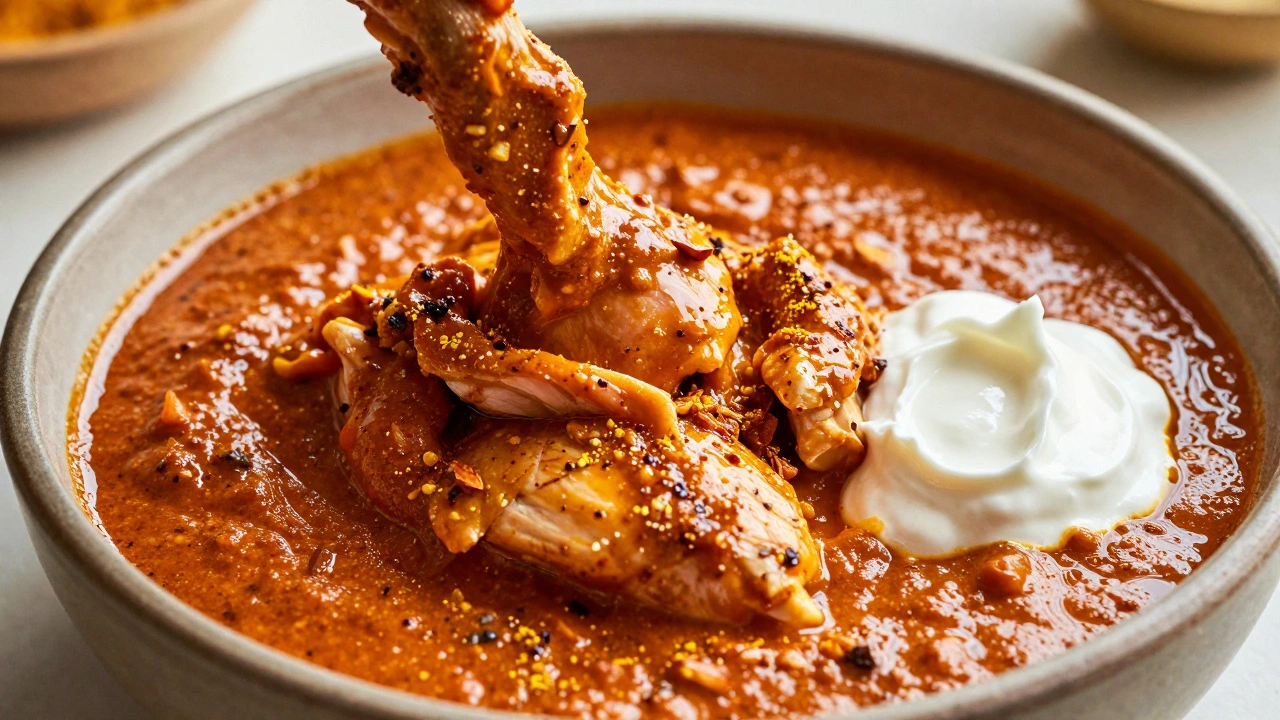
Imagine you are halfway through making a creamy tandoori chicken marinade or a rich vegetable curry. You reach for the sour cream, only to realize your fridge is empty. Panic sets in. Do you run to the store? Or do you grab that tub of Greek yogurt sitting on the shelf? The short answer is yes, you can absolutely use Greek yogurt instead of sour cream in most sauces, including those for tandoori chicken. In fact, many chefs prefer it.
This swap isn't just a last-minute rescue; it’s often an upgrade. Greek yogurt brings a tangy brightness and a higher protein punch compared to the heavier, fat-laden profile of traditional sour cream. However, there are some science-backed rules you need to follow to keep your sauce from splitting or curdling. Let’s break down exactly how to make this substitution work perfectly every time.
Understanding the Difference: Texture and Taste
To swap ingredients successfully, you first need to understand what they actually are. Sour cream is made by fermenting regular cream with lactic acid bacteria. This process gives it a smooth, thick texture and a distinct tangy flavor. It typically contains about 20% milk fat, which provides richness but also means it carries more calories.
Greek yogurt, on the other hand, is strained yogurt. The whey (the watery part) is removed, leaving behind a dense, creamy product with double the protein of regular yogurt. It has less fat than full-fat sour cream (unless you buy full-fat Greek yogurt), but it packs a stronger acidic punch. This acidity is what makes it such a star in tandoori chicken recipes, where tenderizing the meat is key.
| Attribute | Greek Yogurt (Plain) | Sour Cream |
|---|---|---|
| Fat Content | 0-10% (varies by type) | ~20% |
| Protein | High (~10g per 100g) | Low (~2g per 100g) |
| Acidity (pH) | Lower pH (more acidic) | Moderate pH |
| Texture | Dense, thick, slightly grainy | Smooth, creamy, spreadable |
| Heat Stability | Prone to curdling if boiled | Better heat tolerance due to fat |
The main takeaway here is stability. Fat acts as a buffer against heat. Because sour cream has more fat, it handles simmering better. Greek yogurt, being lower in fat and higher in protein, is more sensitive to high temperatures. If you boil it too hard, the proteins tighten up and squeeze out water, causing the sauce to look curdled and separated. This is the biggest risk when substituting.
How to Substitute Greek Yogurt for Sour Cream in Sauces
You can swap them in a 1:1 ratio. If your recipe calls for half a cup of sour cream, use half a cup of plain Greek yogurt. No math required. But the preparation method matters.
Here is the step-by-step process to ensure your sauce stays silky smooth:
- Choose Plain Only: Never use flavored or sweetened yogurt. Vanilla or fruit flavors will ruin savory dishes like tandoori chicken or pasta sauces. Stick to unsweetened, unflavored plain Greek yogurt.
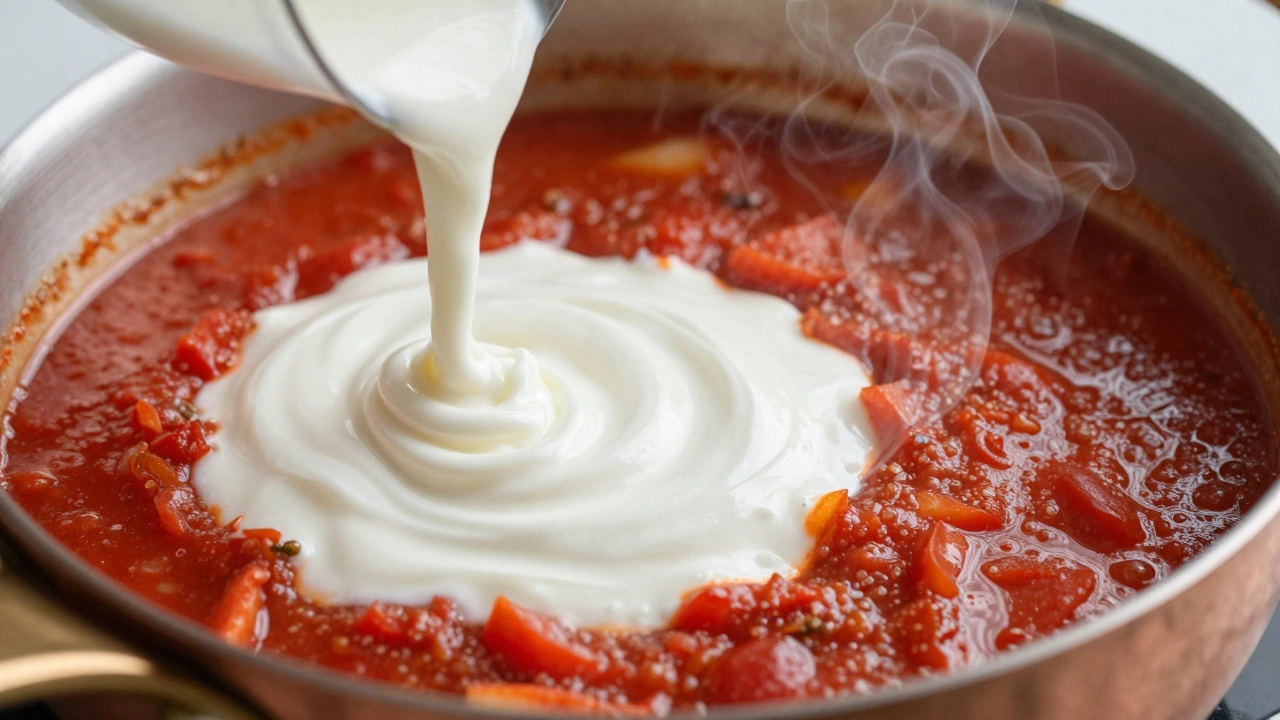
- Add at the End: This is the golden rule. Remove your pan from the heat source before stirring in the yogurt. If the sauce is boiling, let it cool for a minute or two until it is just simmering gently.
- Temper the Yogurt: To prevent shock to the dairy, take a small spoonful of the hot sauce and mix it into the yogurt in a separate bowl. Once the yogurt is warmed up slightly, pour that mixture back into the main pan. This gradual temperature change keeps the proteins happy.
- Stir Gently: Fold the yogurt in slowly. Don’t whisk it vigorously while heating, as agitation can also contribute to separation.
If you are making a cold sauce, like a dip for chips or a topping for tacos, you don’t need to worry about tempering. Just mix it in directly. For cold applications, Greek yogurt is often superior because it feels lighter on the palate without sacrificing creaminess.
Why Greek Yogurt Works Perfectly for Tandoori Chicken
In the context of tandoori chicken, Greek yogurt is not just a substitute; it is the traditional standard. Authentic tandoori recipes from North India rarely use sour cream. They rely on dahi (curd) or hung curd, which is essentially homemade Greek yogurt.
Here is why this works so well for poultry:
- Tenderizing Power: The lactic acid in yogurt breaks down the tough muscle fibers in chicken. This results in meat that is juicy and tender, even after high-heat grilling or roasting. Sour cream has acid, but yogurt’s consistency allows it to cling better to the skin.
- Spice Carrier: The dense texture of Greek yogurt holds spices like turmeric, garam masala, and chili powder effectively. It creates a thick coating that protects the chicken from drying out in the oven or grill.
- Flavor Balance: Tandoori spices can be intense. The tang of Greek yogurt cuts through the heat of the chilies and balances the earthiness of the cumin and coriander. Sour cream can sometimes taste too heavy or buttery, masking these delicate spice notes.
If you are marinating chicken overnight, Greek yogurt is the clear winner. It penetrates deeper into the meat than sour cream would. When you roast the chicken, the yogurt forms a protective barrier, allowing the meat to steam in its own juices while the exterior chars beautifully.
Pitfalls to Avoid When Using Greek Yogurt
Even though Greek yogurt is versatile, it has its limits. Here are common mistakes home cooks make:
Boiling the Sauce: As mentioned earlier, high heat is the enemy. If you are making a tomato-based sauce or a creamy pasta dish, never bring the pot to a rolling boil after adding the yogurt. Keep it on low-medium heat. If you see the sauce starting to separate, remove it from heat immediately and blend it with an immersion blender to re-emulsify.
Using Low-Fat Varieties in Rich Dishes: If your recipe relies heavily on the fat content of sour cream for richness (like a decadent baked potato topping), non-fat Greek yogurt might feel too thin or too tart. In these cases, opt for full-fat Greek yogurt or mix it with a tablespoon of olive oil or melted butter to mimic the mouthfeel of sour cream.
Ignoring Salt Levels: Some brands of Greek yogurt contain added salt, while others do not. Sour cream usually has a consistent salt level. Always taste your sauce after adding the yogurt and adjust seasoning accordingly. You don’t want your tandoori chicken to end up bland or overly salty.

Other Dairy Substitutions Worth Knowing
If you don’t have Greek yogurt either, what are your options? Here is how other dairy products stack up:
- Buttermilk: Thinner than both, but great for marinades. You may need to reduce the liquid in your recipe to compensate.
- Cream Cheese: Blend softened cream cheese with a little milk to match the consistency of sour cream. This is excellent for cold dips but can be tricky in hot sauces unless blended thoroughly.
- Coconut Cream: For a dairy-free alternative, full-fat coconut cream works well in curries and tandoori-style dishes. It adds a slight coconut flavor, which pairs surprisingly well with Indian spices.
However, for the specific goal of replacing sour cream in a way that maintains health benefits and culinary integrity, Greek yogurt remains the top choice. It bridges the gap between nutrition and indulgence seamlessly.
Final Thoughts on Making the Switch
Switching from sour cream to Greek yogurt is one of the easiest upgrades you can make in your kitchen. It reduces saturated fat intake, boosts protein, and enhances the tangy profiles of savory dishes. Whether you are crafting a vibrant tandoori chicken marinade or finishing a creamy mushroom sauce, the technique is simple: add it off the heat, temper it gently, and trust the process.
Next time you find yourself staring at an empty spot in the fridge where sour cream should be, smile. Reach for the Greek yogurt. Your taste buds-and your waistline-will thank you.
Can I use Greek yogurt instead of sour cream in baked potatoes?
Yes, you can. Since baked potatoes are topped after baking, there is no risk of curdling from heat. Greek yogurt provides a similar tangy creaminess with fewer calories. Just stir in some chives or bacon bits as usual.
Will Greek yogurt make my tandoori chicken taste different?
It might taste slightly more tangy than sour cream, but this is generally considered an improvement in authentic Indian cuisine. The acidity helps tenderize the chicken better, resulting in a juicier final dish. Most people prefer the flavor profile of yogurt-based tandoori chicken.
What if my Greek yogurt separates in the sauce?
If separation occurs, do not panic. Remove the pan from heat immediately. Use an immersion blender to whip the sauce back together. Adding a teaspoon of cornstarch slurry (cornstarch mixed with cold water) can also help stabilize the sauce if it needs further thickening.
Is full-fat Greek yogurt better than low-fat for sauces?
For hot sauces, full-fat Greek yogurt is more stable and less likely to curdle because the fat coats the protein molecules. However, low-fat works fine if you follow the tempering technique correctly. For cold sauces, the fat content matters less for stability but more for mouthfeel.
Can I freeze Greek yogurt as a sour cream substitute?
Freezing changes the texture of Greek yogurt, making it grainy upon thawing. While it is safe to eat, it is not recommended for fresh sauces or toppings. It is best used in cooked dishes where it will be blended or stirred into a liquid base.
Does Greek yogurt work in chocolate desserts instead of sour cream?
Generally, no. Sour cream is sometimes used in brownies or cheesecakes for its specific fat content and mild tang. Greek yogurt is too acidic and dense for most sweet baked goods, leading to a gummy texture and overpowering sour taste. Stick to dairy-specific swaps for sweets.
How long does leftover tandoori chicken with yogurt marinade last?
Cooked tandoori chicken stored in an airtight container in the refrigerator will last for 3-4 days. The yogurt base can spoil faster than oil-based marinades, so always check for off smells before reheating. Reheat gently in the oven or air fryer to maintain texture.