
Biryani vs. Fried Rice Health Comparator
Adjust the settings below to see how cooking methods and portion sizes affect the health score of each dish.
Chicken Biryani
Chicken Fried Rice
Why this result?
- Biryani Strengths: Higher protein satiety, anti-inflammatory spices (turmeric), lower sodium than standard fried rice.
- Fried Rice Strengths: Potentially lower calorie density if customized with veggies/brown rice, more flexible fiber intake.
- Note: 'Healthy' mode assumes reduced oil, brown rice substitution, and added vegetables.
You’re standing in front of the menu at your favorite local spot in Bristol, stomach growling, eyes darting between two heavy hitters: Biryani and Fried Rice. One smells like saffron and slow-cooked meat; the other looks glossy with oil and packed with veggies. You want something tasty, but you also don’t want to feel like a lead weight an hour later. So, which one wins? Is biryani actually healthier than fried rice, or is it just heavier on the spice?
The answer isn’t a simple yes or no. It depends entirely on how they are cooked, what goes into them, and how much you eat. But if we break down the ingredients, cooking methods, and nutritional profiles, we can find a clear winner for most people looking for balance.
The Real Difference: Cooking Method Matters Most
Here’s the biggest misconception: many people think fried rice is bad because it’s "fried," while biryani is good because it’s "traditional." That’s backward logic. The health impact comes from the technique, not just the name.
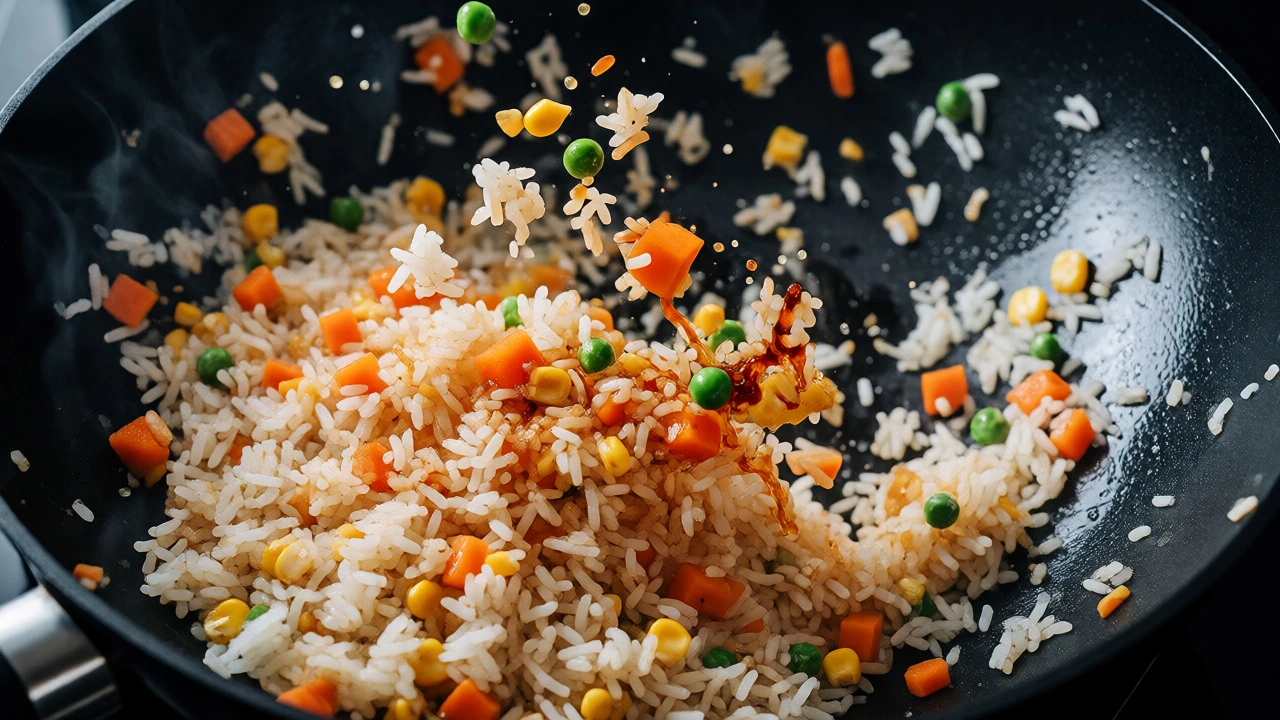
Fried Rice is typically made by stir-frying cold, leftover white rice in a wok with a significant amount of oil. Why oil? Because rice sticks. To get that distinct texture where grains separate and slightly crisp up, cooks often use 1-2 tablespoons of oil per serving. Add in soy sauce (high sodium), processed meats like chicken nuggets or shrimp, and sometimes egg, and you’ve got a calorie-dense meal with moderate protein and low fiber unless you load it with vegetables.
On the flip side, Biryani is a layered dish. Traditional Hyderabadi or Lucknowi biryani uses the "dum" method-slow cooking sealed layers of marinated meat and par-boiled basmati rice. This method traps steam, meaning less oil is needed compared to deep frying or heavy stir-frying. However, restaurant biryanis often drown the rice in ghee (clarified butter) for flavor and richness, which spikes the saturated fat content.
If you order a standard plate of both, fried rice usually has more added oil per gram. Biryani has more spices and yogurt-based marinades, which add probiotics and antioxidants, but also more sodium from salt and masala pastes.
Nutritional Breakdown: Calories, Carbs, and Protein
Let’s look at the numbers. A typical restaurant serving (about 300g) of chicken fried rice contains roughly 450-550 calories. It’s mostly refined carbohydrates from white rice, with about 15-20g of protein depending on the meat-to-rice ratio. The fat content can hover around 15-20g, largely from vegetable oils.
A similar portion of chicken biryani ranges from 500-600 calories. It’s denser. Why? Basmati rice is longer-grain and fluffier, but when cooked with ghee and whole spices, it absorbs more fat. However, biryani often includes more meat relative to rice in traditional recipes, boosting protein to 25-30g per serving. The spices-turmeric, cumin, coriander-bring anti-inflammatory benefits that fried rice lacks.
| Nutrient | Chicken Biryani | Chicken Fried Rice | Winner |
|---|---|---|---|
| Calories | 550 kcal | 480 kcal | Fried Rice (Lower) |
| Total Fat | 20g (High Saturated) | 15g (Mixed Oils) | Tie (Depends on Oil Type) |
| Protein | 28g | 18g | Biryani (Higher) |
| Sodium | 900mg | 1100mg | Biryani (Lower) |
| Fiber | 2g | 3g (if veggie-heavy) | Fried Rice (Variable) |
Notice the protein gap? If you’re hitting the gym or trying to stay full, biryani delivers more satiety per bite. But if you’re watching calories strictly, fried rice *can* be lighter-if you skip the extra oil and ask for brown rice.
The Spice Factor: Hidden Health Benefits
This is where biryani pulls ahead in terms of micronutrients. Turmeric, a key ingredient in biryani masala, contains curcumin, a powerful anti-inflammatory compound. Combined with black pepper (often present in garam masala), its absorption increases by up to 2,000%. Cinnamon, cardamom, and cloves used in biryani help regulate blood sugar levels, which counteracts the spike from the white rice.
Fried rice relies on soy sauce, ginger, and garlic. While ginger and garlic have their own immune-boosting properties, the overall spice profile is thinner. Plus, the high sodium in soy sauce can lead to water retention and bloating, making you feel puffy even if you didn’t overeat.
If you’re dealing with joint pain or sluggish digestion, the anti-inflammatory herbs in biryani offer tangible benefits that fried rice simply doesn’t match. Just be careful with the ghee overload-ask for "less ghee" or "dry" preparation if possible.
Vegetables: The Missing Link in Both Dishes
Both dishes suffer from the same problem: too little fiber. In most restaurants, fried rice gets a handful of peas, carrots, and corn. Biryani might have some mint, cilantro, and onions, but these are garnishes, not bulk ingredients.
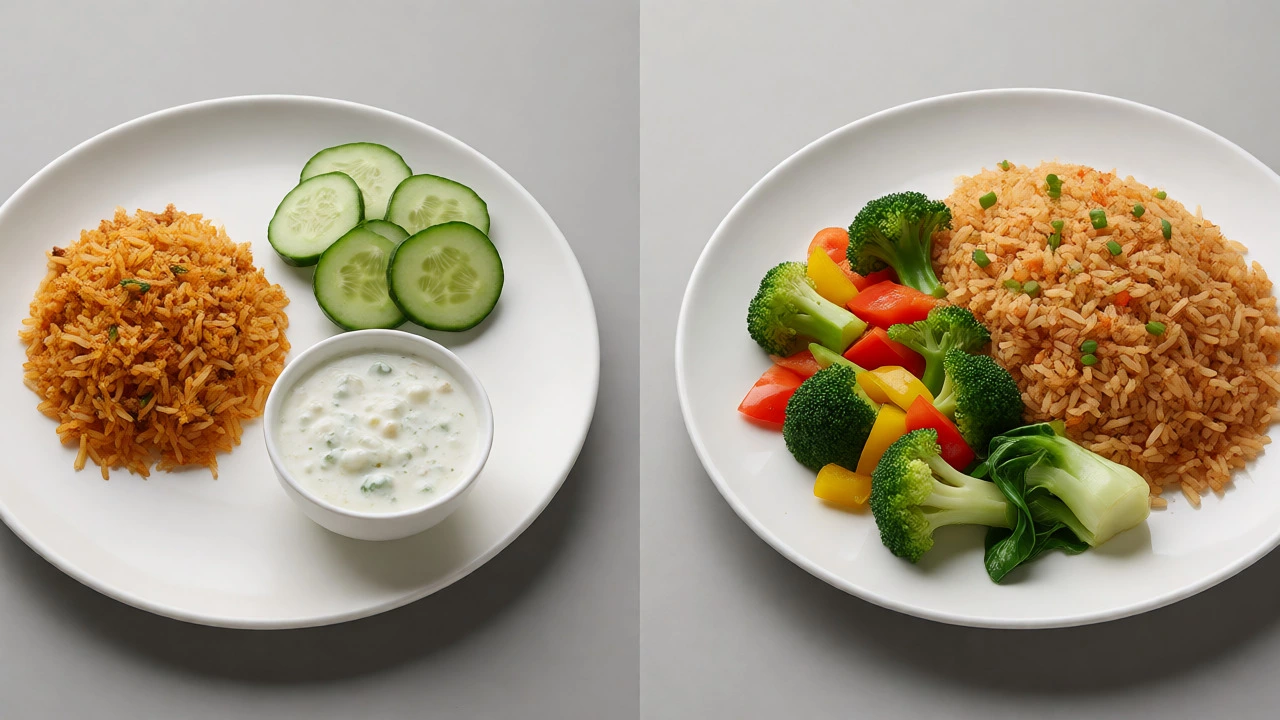
To make either dish truly healthy, you need to hack the recipe. For fried rice, demand double vegetables. Broccoli, bell peppers, mushrooms, and bok choy add volume without adding calories. This lowers the glycemic index of the meal because fiber slows down sugar absorption.
For biryani, pair it with a side of raita (yogurt sauce) and a fresh salad. The probiotics in yogurt aid digestion, which helps process the heavy spices and fats. Never eat biryani alone; it’s too rich. Always balance it with something light and acidic, like lemon wedges or a cucumber salad.
How to Order the Healthiest Version
You don’t have to give up these foods. You just need to order smarter. Here’s a quick cheat sheet for your next takeout run:
- Choose Brown Basmati: If available, swap white rice for brown. It adds nutty flavor and doubles the fiber.
- Ask for "Less Oil": Restaurants use way more oil than home cooks. Requesting half-oil cuts 100+ calories instantly.
- Go for Grilled Meat: Tandoori chicken on the side adds lean protein without the gravy’s hidden sugars and fats.
- Skip the Naan: Bread with bread? No thanks. Save those 200 empty calories.
- Add Fresh Herbs: Ask for extra cilantro and mint. They’re free, zero-calorie, and boost nutrient density.
At home, you have total control. Make your biryani with minimal ghee and lots of bone-in chicken for flavor. Use cauliflower rice mixed 50/50 with real rice for fried rice to cut carbs in half. Your waistline will thank you, and your taste buds won’t notice the difference.
Final Verdict: Which Should You Pick?
If you want higher protein, better spices, and sustained energy, choose Biryani. It’s more satisfying and keeps hunger away longer due to the meat and fat content. Just watch the portion size-it’s easy to overeat because it’s so flavorful.
If you want lower calories, more flexibility with veggies, and a lighter feel, choose Fried Rice. But only if you customize it. Standard fried rice is a sodium bomb with little nutritional upside.
Neither is inherently "unhealthy." They are tools. Used wisely, they fit perfectly into a balanced diet. Used lazily, they’re just comfort food with a price tag. Next time you’re torn, remember: spices heal, oil weighs you down, and veggies save the day.
Is biryani healthier than fried rice for weight loss?
Generally, no. Biryani is often higher in calories and saturated fat due to ghee and richer marinades. Fried rice can be lower in calories if prepared with minimal oil and plenty of vegetables, but it tends to be higher in sodium. For weight loss, portion control is critical for both, but a veggie-loaded fried rice with brown rice may edge out biryani in pure calorie density.
Why is biryani considered healthier by some experts?
Biryani contains turmeric, cinnamon, and other spices known for anti-inflammatory and antioxidant properties. The dum cooking method preserves nutrients better than high-heat stir-frying. Additionally, biryani often has a higher protein-to-carb ratio, which aids in muscle maintenance and satiety.
Can I eat biryani every day?
Not recommended. Daily consumption can lead to excessive intake of saturated fats and sodium, potentially raising cholesterol and blood pressure. Limit biryani to once or twice a week, and opt for homemade versions with controlled oil and salt to maintain daily dietary balance.
Which has more protein, biryani or fried rice?
Biryani typically has more protein per serving because traditional recipes include larger portions of marinated meat or paneer compared to the scattered bits found in standard fried rice. A 300g serving of chicken biryani can contain 25-30g of protein, whereas fried rice often contains 15-20g.
Is vegetable biryani healthier than chicken fried rice?
It depends on the oil. Vegetable biryani lacks the protein benefit of meat but retains the spice benefits. If the fried rice uses lean chicken breast and lots of greens, it might be more balanced. However, veggie biryani is generally lower in cholesterol but can still be high in carbs and fats if loaded with ghee.