Indian Home Cooking in April 2025: Dal, Paneer, Biryani, and More
When it comes to Indian home cooking, the everyday meals made in kitchens across India, not restaurant dishes. Also known as Indian family cooking, it’s not about fancy spices or elaborate setups—it’s about what’s cooked daily, eaten with family, and passed down through generations. This isn’t just food. It’s rhythm. It’s routine. It’s the smell of onions frying at 6 a.m., the sound of a mortar grinding spices, the way dal is stirred until it’s just right.
At the heart of it all is dal, a dish made from cooked lentils or legumes, often served with rice or roti. It’s the backbone of most Indian meals, and in April 2025, we dug into why it’s not just comfort food—it’s medicine. Turmeric in dal fights inflammation, and the way it’s cooked changes everything. Then there’s paneer, a fresh, unaged cheese made by curdling milk with acid. It’s creamy when done right, rubbery when messed up. We broke down why your homemade paneer turns hard, when you should skip it altogether, and what mistakes 9 out of 10 people make.
Spice control is another big theme this month. biryani, a layered rice dish with meat or vegetables, spices, and saffron, is loved everywhere—but too much heat ruins it. We shared the exact tricks home cooks use to balance flavor without burning tongues. And while biryani gets attention, we didn’t forget the sweets. Indian sweets, or mithai, the rich, often milk-based desserts tied to festivals and family moments, were explored too—from the syrupy crunch of jalebi to the melt-in-your-mouth softness of rasgulla.
It’s not all about what’s on the plate. We asked: what’s missing? What do most Indians avoid eating? Turns out, it’s not just meat. Certain vegetables, dairy habits, and even cooking oils get skipped based on region, religion, or health. And then there’s the confusion between dal and lentils—two words people use interchangeably, but they’re not the same. Understanding that changes how you cook.
Even simple things like roti got a closer look. Does oil really make it softer? Yes—but only if you use it at the right step. And English chutney? It’s not Indian at all, but it’s sitting in your pantry. We explained how it got there, and how to use it without mixing cultures by accident.
This month wasn’t about showing off exotic dishes. It was about making sense of what’s already in your kitchen. Whether you’re new to Indian food or you’ve been cooking it for years, the real magic happens in the small details—the amount of water in the dal, the temperature when you fry the paneer, how long you let the dough rest before rolling roti. These aren’t secrets. They’re just habits most people never stop to think about.
Below, you’ll find 12 articles that cut through the noise. No fluff. No theory. Just what works in real homes, from Mumbai to Madurai. Whether you want to fix your paneer, tame your biryani, or just understand why your grandma always added a pinch of sugar to the dal—this collection has you covered.
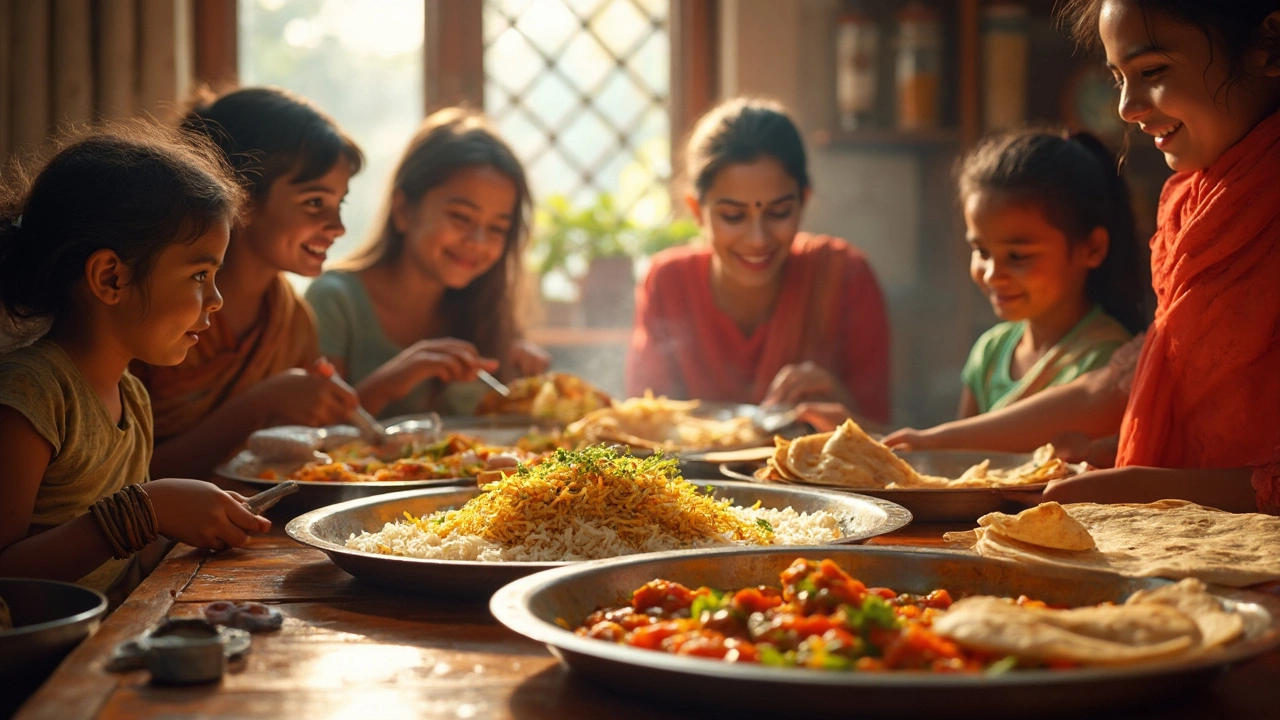
Most Common Indian Meal: What’s Actually On the Table?
Ever wondered what the most common Indian meal really is? This article breaks it down, explains the classic combinations found in Indian homes, and why these dishes are so popular. You'll also learn quick cooking tips and some surprising facts about daily Indian food habits. Simple recipes and smart substitutes will help you bring Indian flavors to your own kitchen. Great for beginners who want to get a true taste of Indian home cooking.
Read More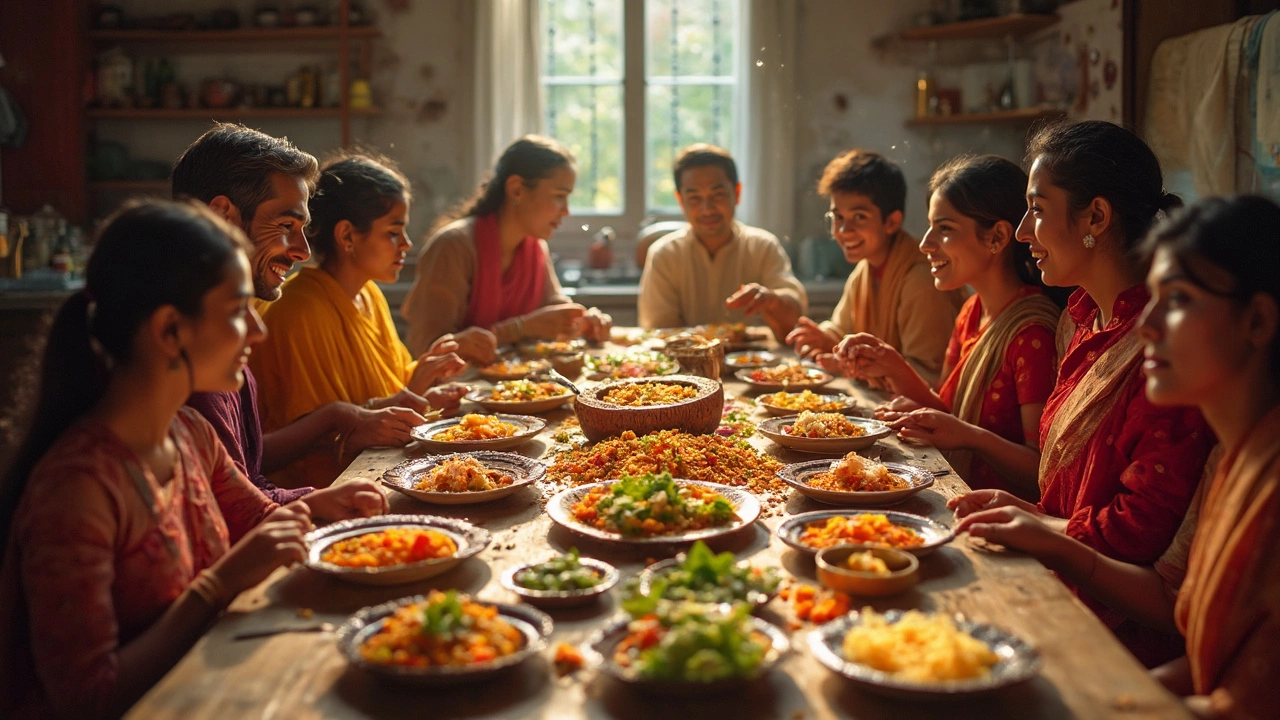
What Do Most Indians Not Eat? Surprising Food Habits from Every Corner
Ever wondered what foods Indians skip on their plates? This article breaks down the surprising things that don't make it into most Indian homes and why. From strict meat bans to certain taboo vegetables, get the inside scoop on the do-not-eat lists across Indian communities. You'll even find handy cooking tips and smart substitutes so your recipes fit right in. Perfect if you're curious, health-conscious, or just want to cook something everyone can enjoy.
Read More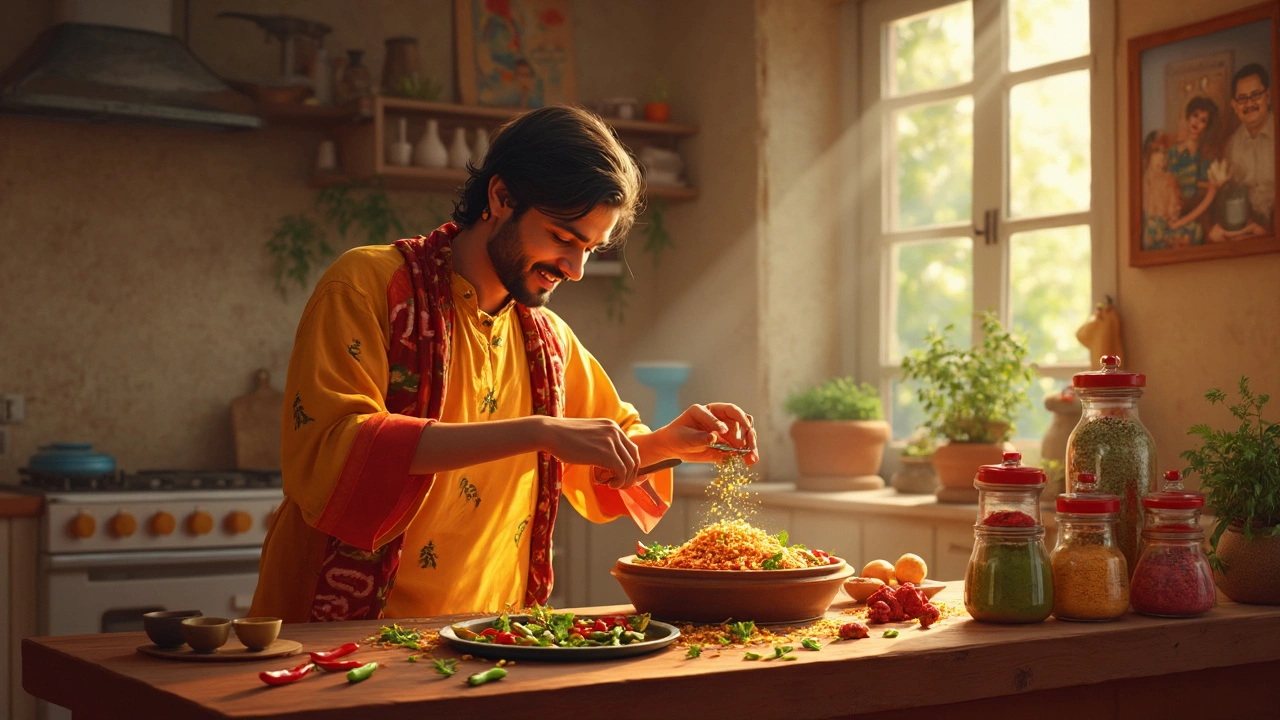
How to Balance Spice in Biryani: The Smart Way to Control Heat
Finding the right spice level in biryani can make or break your meal. This article gives practical tips on balancing spices in biryani so you get rich flavors without burning your tongue. From picking the right chilies to smart layering tricks, you'll learn techniques home cooks use to avoid too much heat. Real-life examples and simple steps will help anyone control the spice. Get ready to make your biryani taste just right every single time.
Read More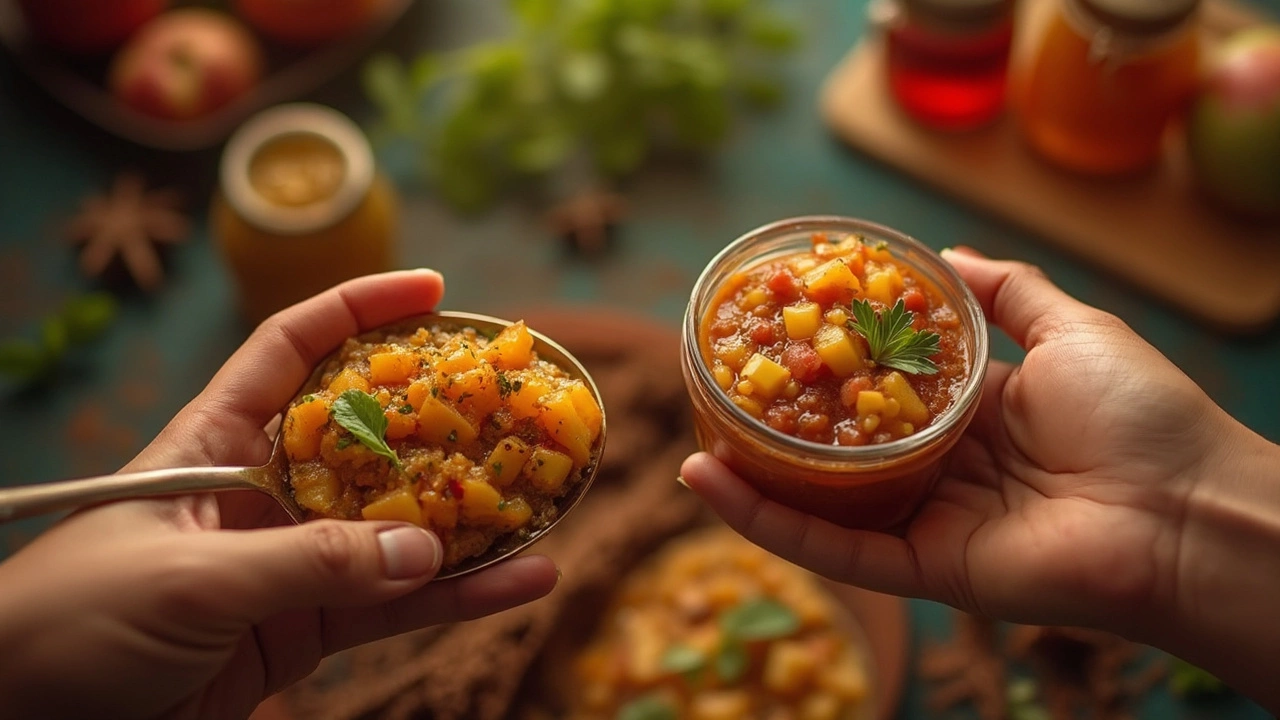
English Chutney: What Sets It Apart?
Ever wondered why English chutney tastes so different from Indian chutney? This article breaks down the story, the key ingredients, and how it became a British classic. If you're curious about how to make or use English chutney, here’s everything you need. Expect surprising facts, smart prep tips, and ideas for enjoying this tangy-sweet spread. Get ready to add some zing to your snack game.
Read More
Best Vegetarian Indian Dish to Order: Your Essential Guide
Craving Indian food but not sure which vegetarian dish is worth your money? This article breaks down top vegetarian choices, why they stand out, and how to pick what fits your mood. You’ll get honest tips, need-to-know facts, and clear suggestions. Perfect if you want real flavor without missing the meat. Level up your next Indian food order with zero confusion.
Read More
Traditional Sweet Dishes of India: What Makes Them Special?
Indian sweet dishes—popularly called mithai—are an important part of festivals, celebrations, and even daily life. Each region in India has its own signature dessert, made with local ingredients and family traditions. From the creamy texture of rasgulla to the crunch of jalebi, these sweets tell stories of culture and heritage. The article explores India’s iconic sweets, what goes into making them, and simple tips if you want to try making them at home. Tasty trivia and serving hacks included.
Read More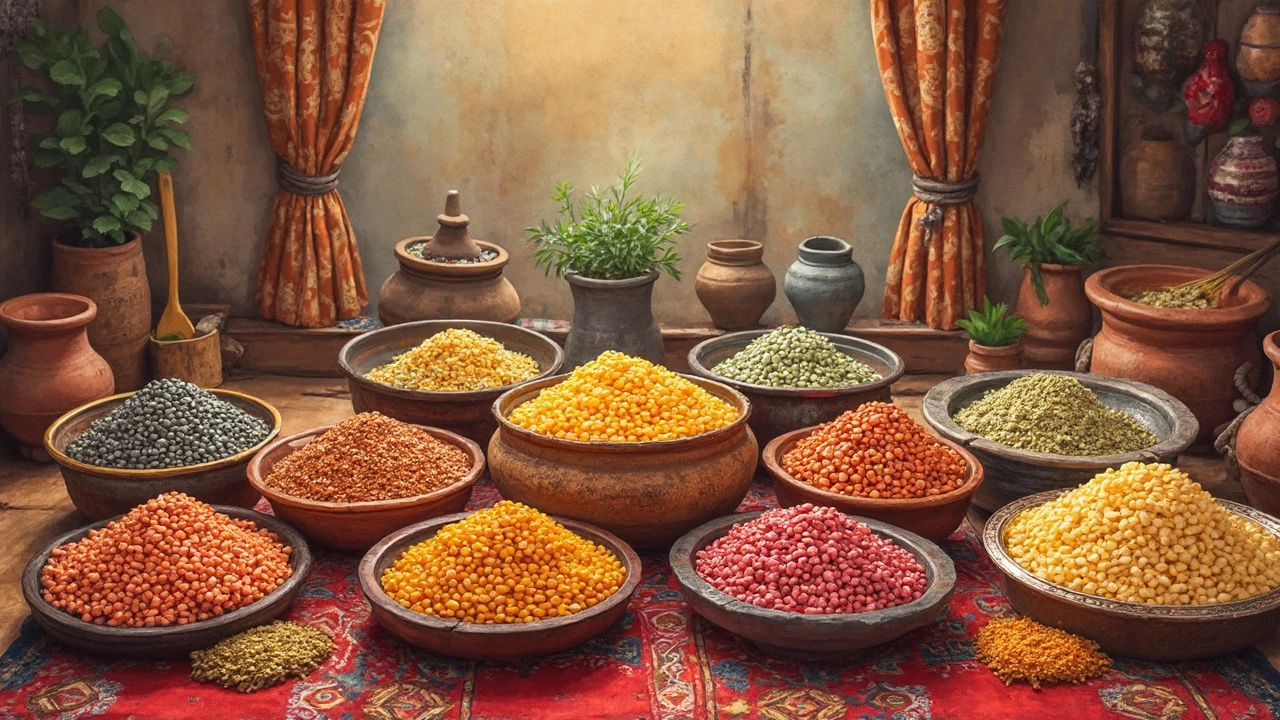
Dal vs Lentils: Are They Really the Same Thing?
Dal and lentils often get confused, but they have distinct roles in culinary traditions, especially in Indian cuisine. Dal refers to both the ingredient and the dish made from lentils or other legumes, while lentils are specific types of legumes themselves. Understanding the difference can elevate your cooking and appreciation of flavors. Learn how these two are used differently and the cultural significance they hold. Discover some tips to make your dal dishes a hit every time.
Read More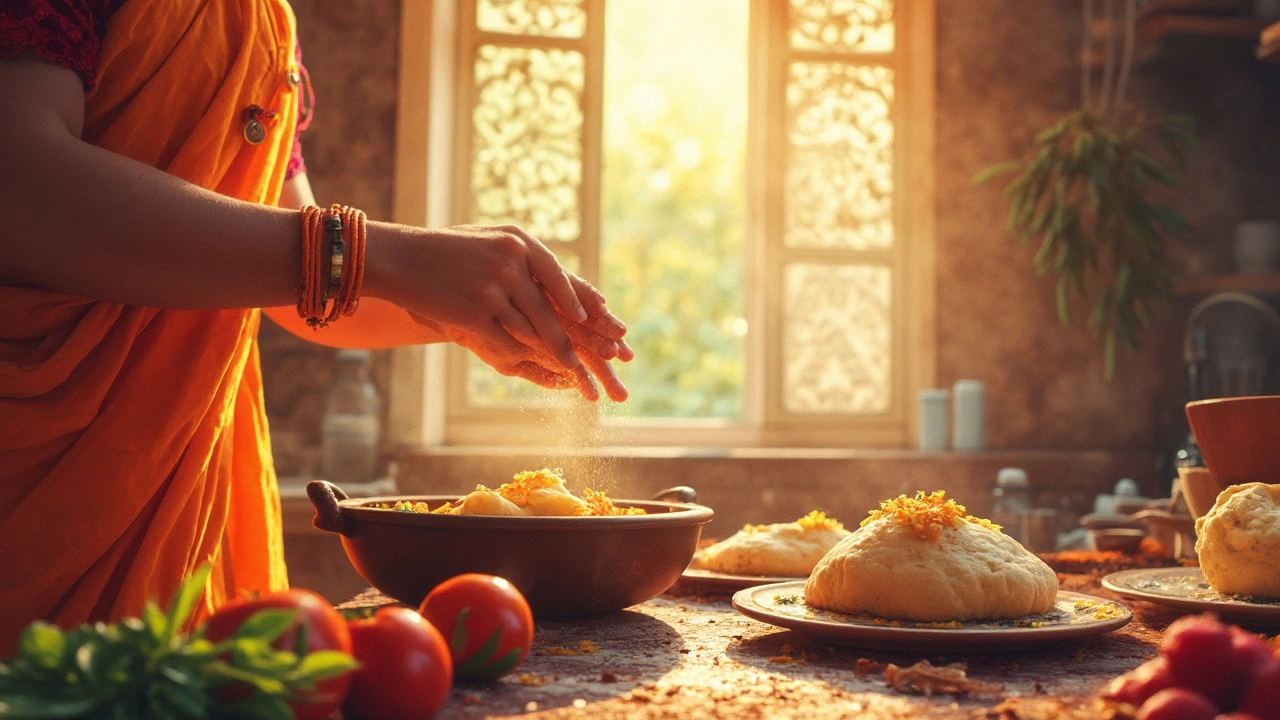
Does Oil Make Roti Softer?
Oil can play a crucial role in achieving soft and fluffy rotis. By understanding the science behind using oil while making rotis, home cooks can significantly improve texture and taste. The process involves specific quantities and techniques, like adding oil to the dough or the cooking surface. Discover practical tips to ensure your rotis turn out perfectly soft every time.
Read More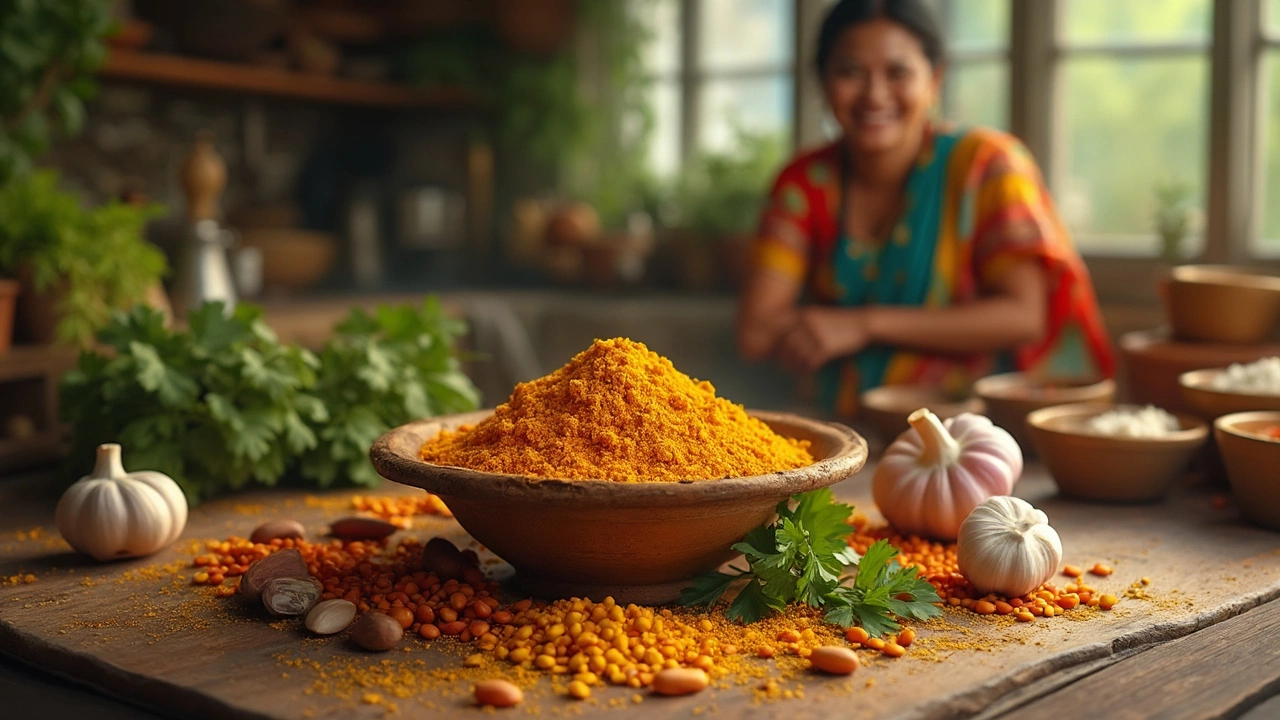
Discover the Top Food That Fights Inflammation: Simple Dal Recipe Included
Fighting inflammation can be as simple as tweaking your diet. Discover why turmeric, a key spice in dal, is known for its anti-inflammatory properties and how it can benefit your health. This article delves into the science behind turmeric and shares a straightforward dal recipe so you can easily include it in your meals.
Read More
Why is Homemade Paneer Hard?
Ever struggled with your homemade paneer turning out hard and rubbery? Dive into why this happens and how you can make your paneer soft and creamy like the ones you admire in recipes. Learn what factors like the type of milk, acidity, and cooking methods have on the texture. With some practical tips and a bit of practice, you’ll be crafting velvety homemade paneer that melts in your mouth.
Read More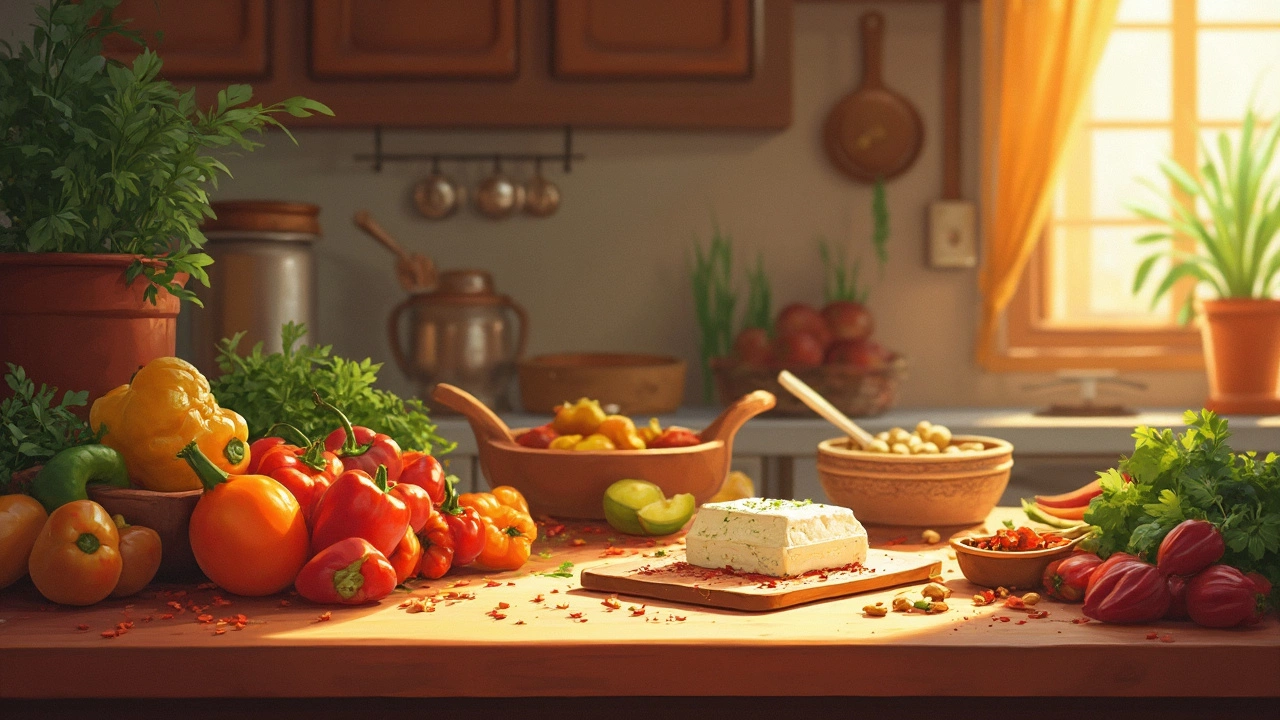
When to Skip Homemade Paneer
Sometimes delicious paneer isn't the best choice, especially if you're lactose intolerant or counting calories. Homemade paneer can be a bit heavy and might not suit everyone's diet. It’s crucial to know when to steer clear to keep your health on track. This article explores situations and health conditions where avoiding paneer is a smart move. With practical tips and simple explanations, it aims to help you make informed food choices.
Read More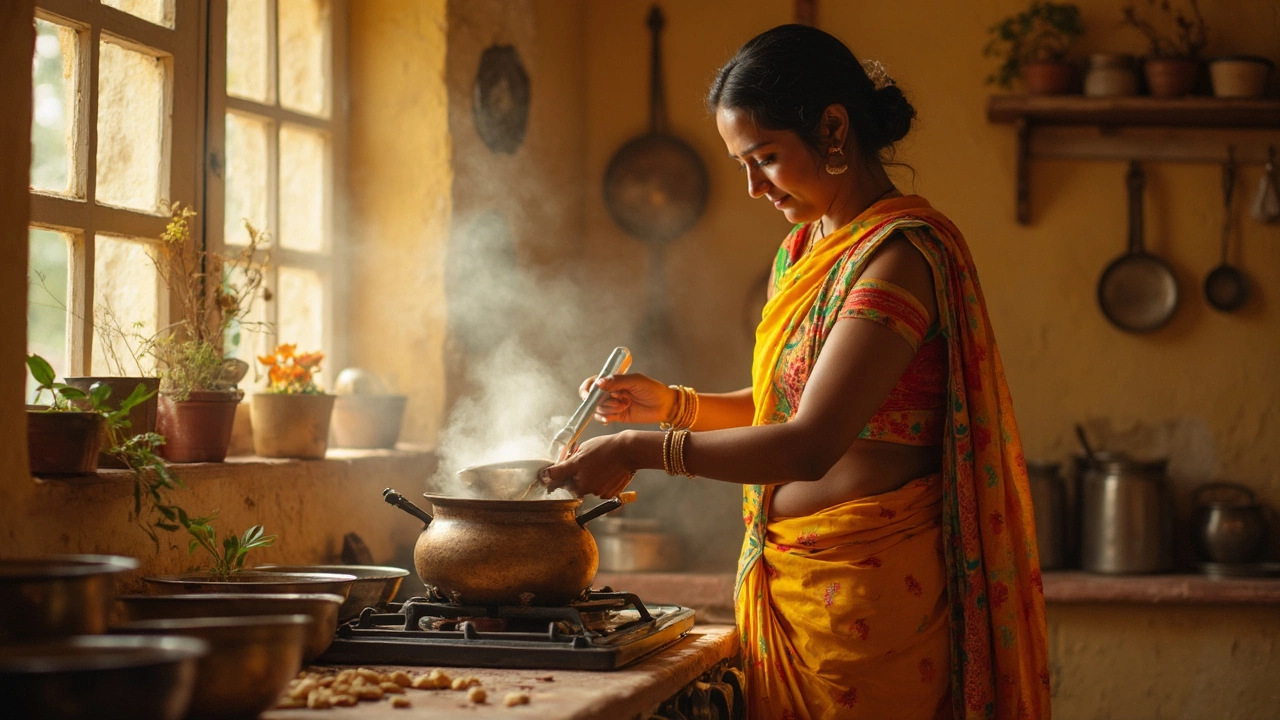
Common Mistakes in Making Perfect Homemade Paneer
Making paneer at home is both rewarding and a bit tricky if you're not careful. Common mistakes often result in crumbly or rubbery textures, but knowing what to avoid can lead to success. The key lies in the right milk and how you curdle it. Explore simple steps to avoid these pitfalls and ensure your paneer is rich and tasty.
Read More