Yeast in Dosa Batter: Why It’s Not Used and What Actually Ferments Your Batter
When you make dosa batter, you’re not adding yeast—you’re letting lactic acid bacteria, naturally occurring microbes that thrive in warm, starchy environments and produce lactic acid during fermentation. These bacteria are the real stars of the show, turning your rice and urad dal mix into light, bubbly, tangy batter that crisps up perfectly on the griddle. Unlike bread, where yeast gives rise through carbon dioxide, dosa relies on a slower, more complex fermentation that builds flavor, improves digestibility, and creates that signature crisp edge. Adding yeast might make the batter rise faster, but it kills the depth you get from natural fermentation—and it doesn’t help with texture at all.
This isn’t just tradition—it’s science. The rice-to-dal ratio, the balance between starchy rice and protein-rich urad dal that determines fermentation quality and final texture matters more than any added leavening agent. Most successful dosa batters use 3:1 or 4:1 rice to urad dal. Too much dal, and the batter gets gummy. Too little, and it won’t ferment well. The fermentation time, the period (usually 8–12 hours) during which lactic acid bacteria break down starches and proteins to create gas and acidity depends on your kitchen temperature. In cooler climates, you might need 16 hours. In hot weather, 6 hours could be enough. The batter is ready when it’s bubbly, smells slightly sour, and has doubled in volume—not because it’s puffing up like bread, but because the bacteria have done their job.
Some people try yeast because they think it’s faster or more reliable. But yeast doesn’t produce the same acids that tenderize the batter or enhance flavor. It also doesn’t help with the crispiness that makes dosa so satisfying. If your batter isn’t crispy, the problem isn’t lack of yeast—it’s probably the rice variety, soaking time, or griddle heat. If your batter tastes too sour, it’s not over-fermented by yeast—it’s just left too long, and the lactic acid bacteria went too far. You can fix that by adding a pinch of salt or a splash of water, not by adding yeast.
The posts below cover exactly what you need to know: why dosa batter becomes sour, how to fix it when it’s not crispy, how long to soak your dal, and what really makes traditional dosa work. No shortcuts. No yeast. Just real, time-tested methods that work in homes across South India—and now, in kitchens around the world.
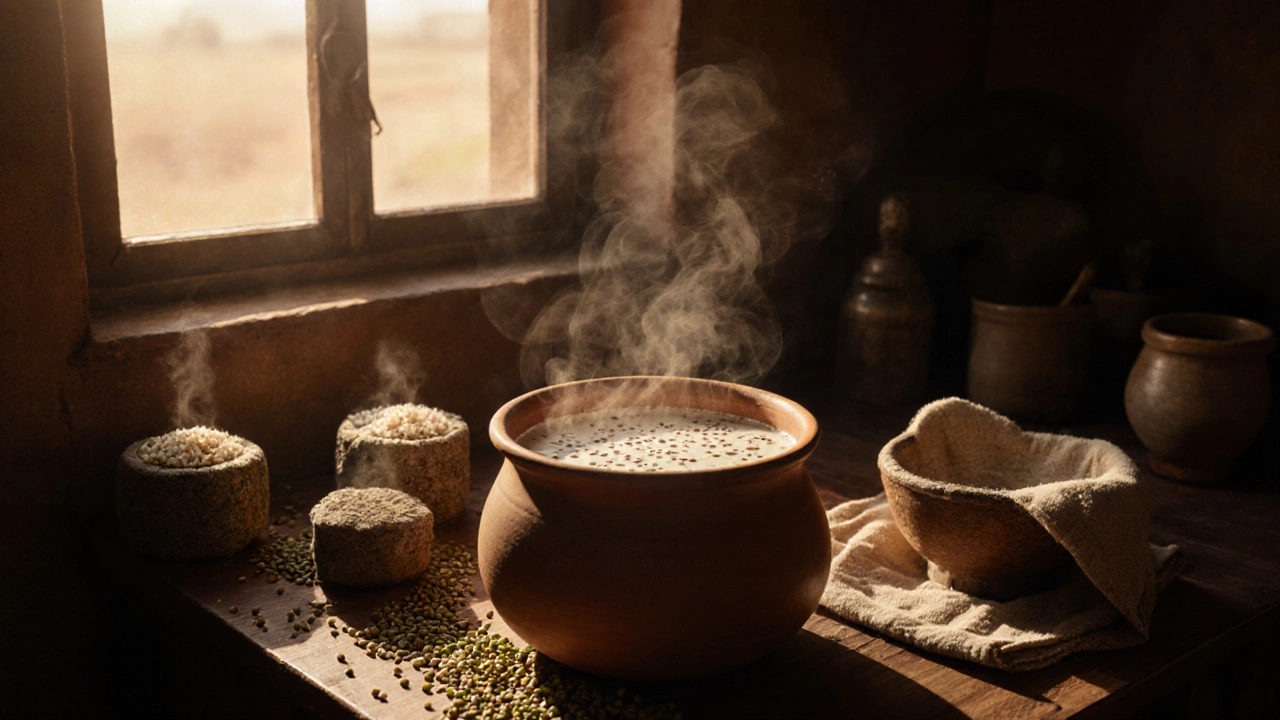
Is It OK to Add Yeast to Dosa Batter? Here’s What Actually Works
Adding yeast to dosa batter speeds up rising but kills the natural tang and health benefits of traditional fermentation. Learn why patience matters-and what to do instead.
Read More