Vegetarian Diet in India: Truths, Traditions, and Everyday Eating
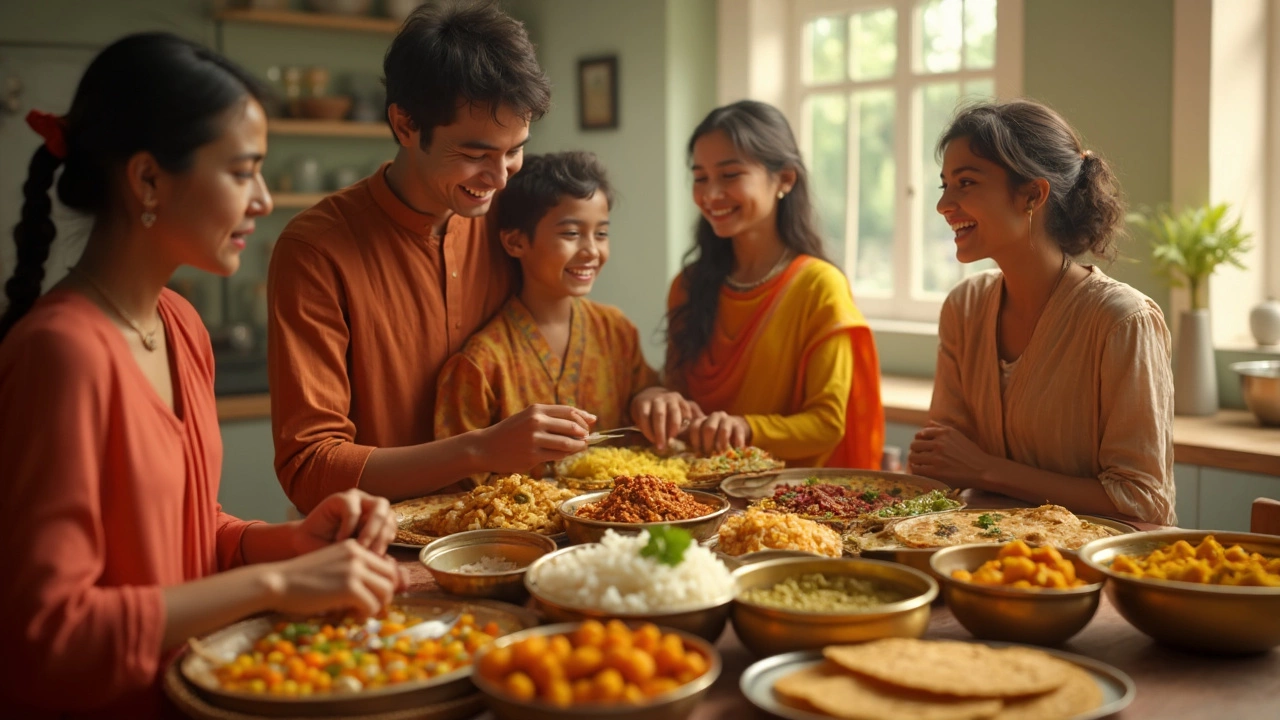
When people talk about a vegetarian diet, a way of eating that excludes meat, fish, and poultry, often centered around plants, dairy, and legumes. Also known as plant-based eating, it’s not just a trend in India—it’s the norm for hundreds of millions. This isn’t about skipping meat for health or ethics alone. In India, a vegetarian diet is woven into daily rituals, religious beliefs, and family meals passed down for generations.
Take the Jain diet, an extreme form of vegetarianism rooted in non-violence, where even root vegetables like carrots and potatoes are avoided because harvesting them kills the entire plant. This isn’t a fad—it’s a spiritual practice that shapes what people eat, when they eat it, and how food is prepared. Then there’s paneer, a fresh, unaged cheese made by curdling milk with lemon juice or vinegar, a cornerstone of Indian vegetarian cooking. It’s the protein backbone of countless curries, sandwiches, and street snacks, turning simple milk into something hearty and satisfying. And let’s not forget dal, lentils cooked slow, spiced well, and served with rice or roti—the daily staple that feeds families from Delhi to Chennai. It’s cheap, filling, and packed with nutrition, making it the quiet hero of the Indian vegetarian table. These aren’t just ingredients. They’re solutions to real-life problems: how to eat well without meat, how to stay healthy on a budget, how to honor tradition while feeding a hungry household.
What you’ll find in the posts below isn’t a list of recipes—it’s a look at how real people eat. You’ll learn why dosa batter ferments naturally, why some avoid dal at night, how much paneer you can actually get from a gallon of milk, and why Jain families don’t touch carrots. These aren’t random food facts. They’re pieces of a bigger puzzle: how a vegetarian diet in India works, day after day, meal after meal. No gimmicks. No hype. Just the truth of what’s on the plate.
Why Dal Is Not Just a Protein: The Truth About Your Everyday Staple
Dal is often called a protein source, especially for vegetarians in India, but does it really give you enough protein on its own? This article unpacks why dal can’t be seen as a complete protein, looks at its actual nutritional value, and explains how you can make your dal meals healthier. Find out what makes up a complete protein, why dal falls short, and how to balance your dal with other foods. There are some smart tips for turning basic dal into a more nutritious dish. Perfect for anyone who wants to eat better without giving up their favorite dals.
Read More