Travel Health India: Safe Eating, Street Food, and Local Food Rules
When you travel in India, travel health India, the combination of food safety, local eating habits, and cultural dietary practices that affect your well-being while traveling. Also known as Indian food safety, it’s not just about avoiding bad water—it’s about understanding how food is made, who prepares it, and why some dishes are safer than others. Many travelers worry about getting sick, but the truth is, millions eat street food every day without issues. The key isn’t avoiding it—it’s knowing what to look for.
One big factor you can’t ignore is Jain diet, a strict vegetarian system rooted in non-violence that avoids root vegetables and often excludes garlic and onions. While most tourists won’t follow this, seeing it in action teaches you something important: Indian food culture is deeply tied to belief, not just taste. Vendors who follow Jain rules often have cleaner kitchens because they avoid ingredients that are harder to clean thoroughly. This isn’t a trend—it’s a daily practice that impacts hygiene standards you can actually use to pick safer stalls. Then there’s Indian street food hygiene, the real-world practices that determine whether a food stall is safe to eat from, including water source, cooking heat, and how long food sits out. It’s not about fancy certifications. It’s about watching if the oil is fresh, if the vendor uses gloves or clean cloths, and if the food is served hot off the griddle. The best stalls don’t need signs—they have lines of locals waiting.
You’ll find that many of the most trusted dishes—like dosa, chaat, or paneer-based snacks—are made with ingredients that naturally resist spoilage: fermented batter, fried dough, fresh cheese, and spices with antibacterial properties. That’s why street food India can be safe if you know the patterns. Avoid raw salads, unpeeled fruit, and drinks with ice unless you’re sure the water was boiled. Stick to hot, freshly cooked food, and don’t be afraid to ask: "Is this made with boiled water?" Most vendors will nod and show you their kettle.
And if you’re curious why some people avoid carrots or eat dal only in the morning, those aren’t random quirks—they’re part of a larger system of food wisdom passed down for generations. The posts below cover exactly that: what to eat, what to skip, how to fix common digestive issues from Indian food, and how local rules shape what’s on your plate. Whether you’re planning your first trip or just want to eat smarter, you’ll find real advice here—not myths, not fear tactics, just what works.
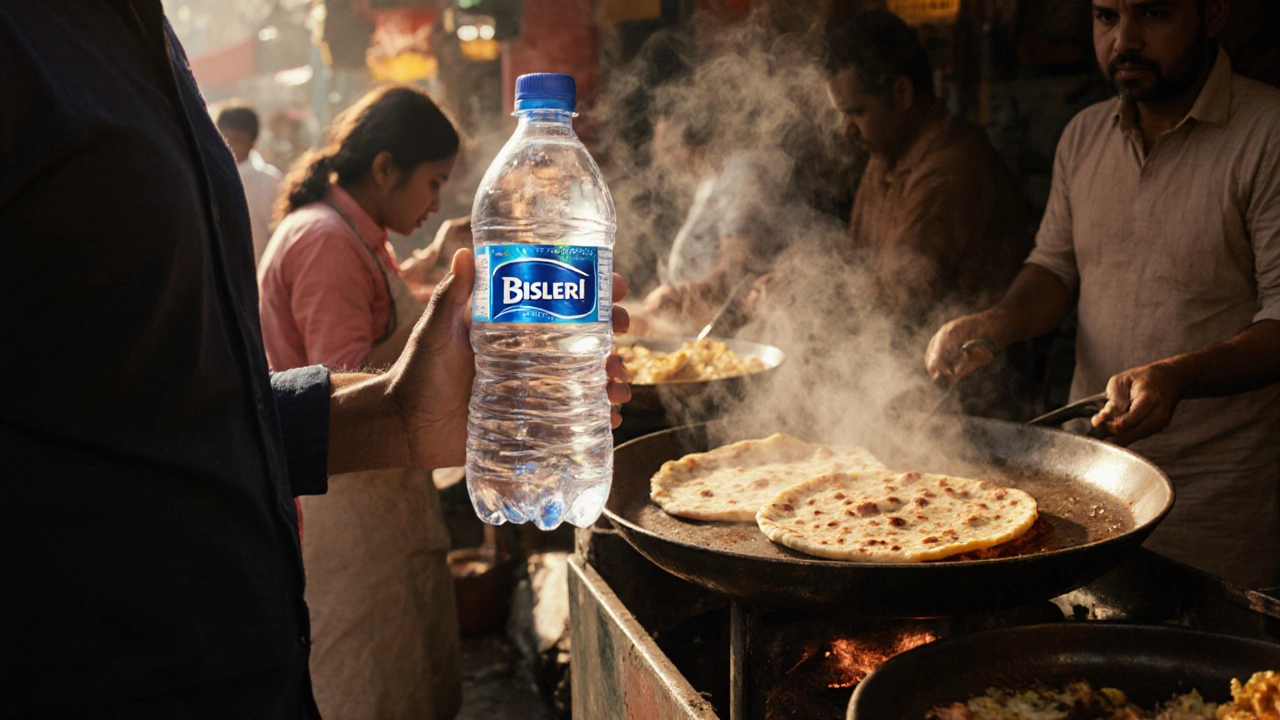
How to Avoid Getting Ill in India: Safe Eating Tips for Travelers
Learn how to enjoy Indian food safely without getting sick. From drinking bottled water to choosing hot, fresh street food, these simple tips help travelers avoid food poisoning and stomach issues in India.
Read More