Street Food Hygiene: Safe Eating Tips for Indian Street Food
When you eat street food hygiene, the set of practices that ensure food sold on streets is safe to eat and free from harmful contaminants. It's not just about cleanliness—it's about trust. In India, where street food is a daily ritual for millions, good hygiene can mean the difference between a delicious meal and a night spent sick. This isn't a luxury. It’s a necessity. Every vendor who uses clean water, fresh oil, and covered food is making a choice that protects you. And every time you choose to eat at a stall where the food is served hot, the hands are clean, and the utensils aren’t sitting in dirty water, you’re voting with your appetite.
Good street food hygiene, the set of practices that ensure food sold on streets is safe to eat and free from harmful contaminants starts before the food even hits the pan. It’s in how the milk for paneer is stored, whether the dal was soaked in clean water, and if the oil used for frying samosas has been changed that day. It’s about the vendor washing their hands after handling money or touching raw ingredients. It’s about knowing that the water used to wash vegetables isn’t the same water used to rinse the floor. These aren’t fancy rules—they’re basic human standards. And yet, many travelers and even locals skip checking them. The result? food poisoning prevention, actions taken to avoid illness caused by contaminated food or water becomes an afterthought. But it shouldn’t be. Studies show that most cases of traveler’s diarrhea in India come from street food that looked fine but was handled poorly. You can’t see bacteria. But you can see signs of care.
Look for stalls where the food is cooked fresh to order. Hot oil, steam rising, food sizzling—that’s your best indicator. Avoid anything sitting out uncovered, especially in the heat. If the vendor uses the same spoon for tasting and serving, walk away. If the water they use looks cloudy or the ice looks dirty, don’t risk it. Bottled water for drinks? Always. And if you’re unsure, pick the stall with the longest line—that’s often the safest bet. People don’t wait in long lines for bad food. They wait for flavor, yes, but also for reliability. Indian street food safety, the practices and conditions that make street food in India safe for consumption isn’t about avoiding street food. It’s about knowing how to pick the right vendor. And that skill? It’s learnable. It’s simple. And it’s powerful.
You’ll find posts here that tell you how to avoid getting sick in India, what to eat when you’re traveling, and how to spot a clean kitchen on a busy corner. We’ve pulled together real advice from people who’ve eaten their way across the country—without ending up in a hospital. You’ll learn why hot food is your friend, why bottled water isn’t optional, and how to use common sense instead of fear. No gimmicks. No scare tactics. Just clear, practical steps that work. Whether you’re a first-time visitor or someone who’s eaten chaat for years and still gets stomach issues, this collection has something for you. Let’s get you eating safely—and deliciously—without the worry.
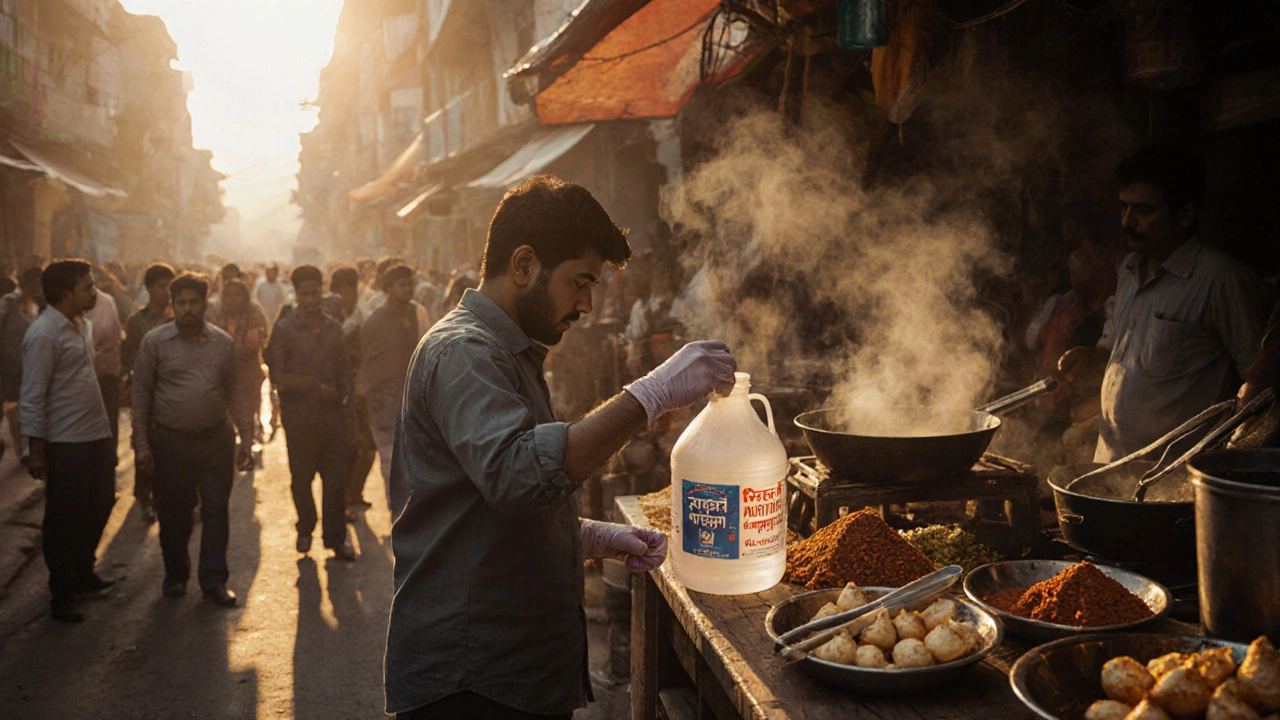
Is It Safe to Eat Street Food in India? A Practical Guide for Travelers
Is it safe to eat street food in India? Yes-if you know what to look for. Learn which foods are safest, how to spot clean vendors, what to avoid, and what to do if you get sick. No fear, just smart choices.
Read More