Storage Tips for Indian Kitchen Staples: Keep Food Fresh and Flavorful
When you cook Indian food regularly, storage, how you preserve ingredients and cooked dishes to maintain taste, texture, and safety. Also known as food preservation, it's not just about putting things in the fridge—it’s about knowing how and when to store them to avoid waste and keep flavors alive. Think about dosa batter left out too long, roti that turns hard by lunchtime, or paneer that gets rubbery after a day. These aren’t just annoyances—they’re signs you’re missing key storage tricks.
Storage isn’t one-size-fits-all. dosa batter, a fermented mixture of rice and lentils used to make crispy pancakes. Also known as fermented batter, it needs air circulation, not a sealed container, to keep fermenting safely. Store it in a wide-mouthed clay or glass bowl covered with a cloth, not plastic wrap. Too much moisture? You’ll get over-fermented sourness. Not enough? It won’t rise right. Same goes for roti, soft Indian flatbread that goes stale fast if stored wrong. Also known as chapati, it stays soft for hours if wrapped in a clean kitchen towel and kept in an airtight container with a slice of apple or bread. The moisture from the fruit keeps it pliable without making it soggy. And paneer, fresh Indian cottage cheese made by curdling milk with acid. Also known as Indian cheese, it lasts longer submerged in cold water in the fridge—never dry. Change the water daily to keep it fresh and springy.
Even biryani, a dish meant to be eaten fresh, can be stored safely if cooled quickly and sealed in shallow containers. Leftovers stay tasty for two days in the fridge and freeze well for a month. The trick? Let it cool to room temperature before sealing—trapped steam turns it mushy. And don’t forget raita: store it separately from biryani to keep the yogurt from getting watery and the rice from turning soggy.
Storage isn’t just about the fridge. It’s about knowing what needs air, what needs moisture, and what needs to be kept cold right away. Whether you’re making a big batch of dal for the week or prepping batter for Sunday dosas, the right storage method saves time, money, and flavor. Below, you’ll find real fixes from real kitchens—how to fix sour batter, keep roti soft for hours, and store paneer so it doesn’t turn rubbery. No guesswork. Just what works.
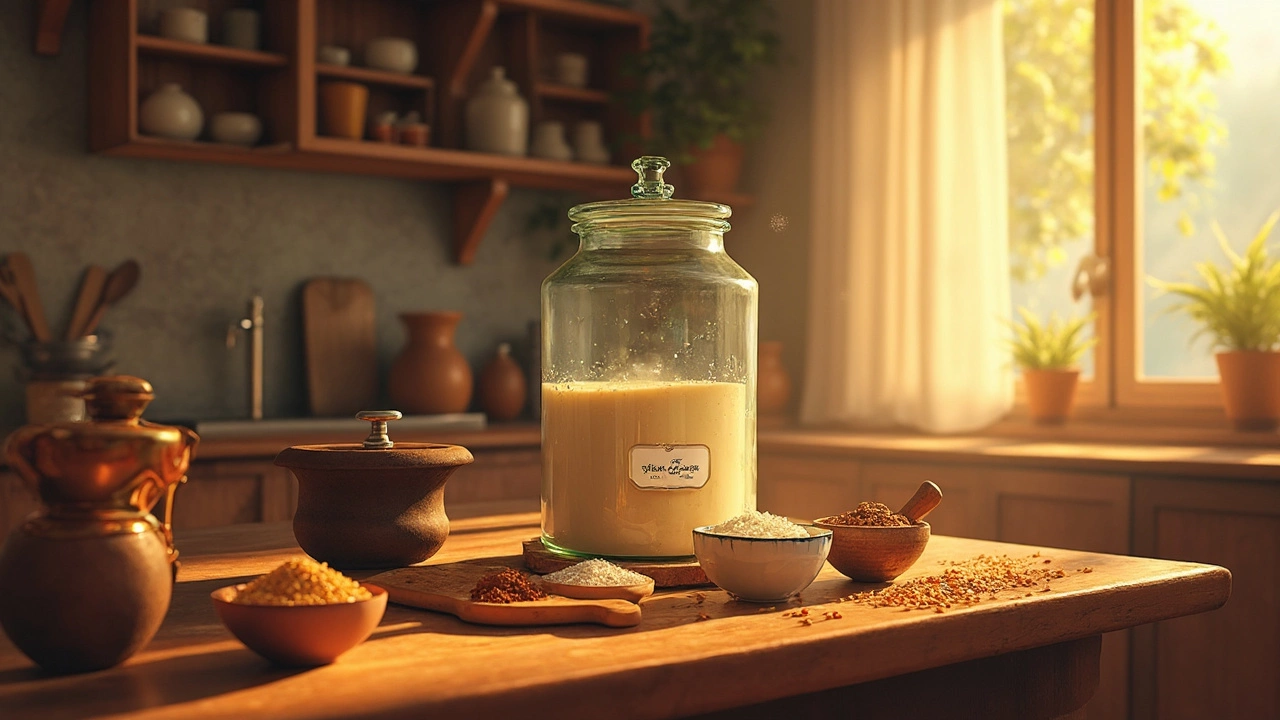
How Long Does Homemade Dosa Batter Last?
Curious about how long homemade dosa batter can last? Understanding the shelf life is key to enjoying fresh dosas without waste. This guide offers insights on storing dosa batter, ensuring it stays fresh, and tips on prolonging its life. Learn the best practices for fermenting, storing, and even reusing batter.
Read More