Spoiled Paneer: What It Is, Why It Happens, and How to Avoid It
When you make spoiled paneer, curdled milk cheese that has gone bad due to bacterial growth or improper storage. Also known as rancid paneer, it’s not just unpleasant—it can make you sick. Fresh paneer should be soft, white, and slightly springy. If it smells sour like old milk, feels slimy, or shows green or gray spots, you’re looking at spoiled paneer. This isn’t just about taste—it’s about safety.
Paneer spoils fast because it’s made from milk, and milk is nature’s perfect breeding ground for bacteria. Unlike aged cheeses, paneer has no salt or preservatives to slow down decay. That’s why storing it in the fridge isn’t enough—you need to know how. Many people store paneer in water, which seems smart, but if the water isn’t changed daily, it becomes a bacteria bath. Others leave it out overnight thinking it’s fine because it’s "just cheese." It’s not. Paneer doesn’t last like cheddar. It’s more like yogurt—fresh, perishable, and sensitive to heat.
What makes it worse is how people handle it. Using the same knife or hands to cut fresh paneer after touching raw chicken? That’s how contamination starts. Even clean containers can harbor bacteria if they’re not washed with hot, soapy water. And don’t forget: paneer made with low-quality milk or wrong acid (like expired lemon juice) can spoil faster. You don’t need fancy tools to make good paneer, but you do need clean hands, clean tools, and clean storage.
There’s a reason Indian grandmothers soak paneer in cold salted water and change it every 8 hours. It’s not superstition—it’s science. Salt slows bacteria. Cold slows decay. And changing the water removes the acidic byproducts that speed up spoilage. If you’re making paneer at home, treat it like fresh fish—not something you stash away for days.
Some think that if it doesn’t smell bad, it’s okay. But spoilage doesn’t always show up as smell. Sometimes, it’s texture first—paneer that’s too soft, mushy, or sticky. That’s your warning. Other times, it’s taste—slightly bitter or off-flavor. Don’t wait for mold. By then, it’s too late. Harmful bacteria like listeria or salmonella can grow without visible signs.
And yes, this connects to everything else you’ve read here. The same kitchen habits that ruin paneer also mess up dosa batter, curdle yogurt, or make biryani soggy. It’s all about control—temperature, time, and cleanliness. If you’ve ever wondered why your homemade paneer doesn’t last like store-bought, it’s not magic. It’s technique. Store-bought paneer often has preservatives. Yours doesn’t. That’s a feature, not a flaw. But it means you have to be more careful.
You’ll find posts here that explain how to make paneer right, how long it lasts, what acid works best, and how much you get from a gallon of milk. You’ll also see why fermentation matters in dosa batter, how to avoid common biryani mistakes, and why some foods spoil faster than others. All of it ties back to one thing: understanding how food behaves. Spoiled paneer isn’t a recipe failure—it’s a lesson in food science. Learn it, and you’ll never waste food—or risk your health—again.
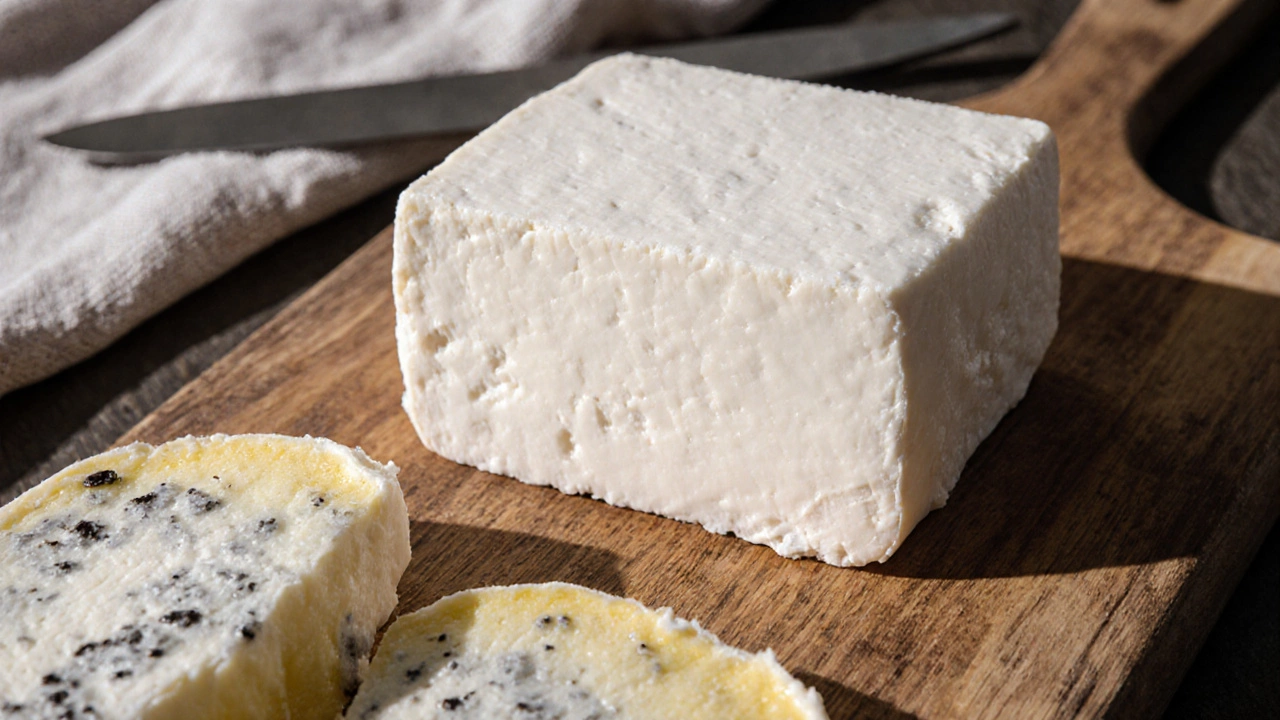
How to Tell If Paneer Is Spoiled - Simple Checks & Safety Tips
Learn to spot spoiled paneer with simple visual, smell and touch tests, plus storage tips to keep it fresh and safe.
Read More