South Indian Cooking
When you think of South Indian cooking, a vibrant, rice-and-lentil-based culinary tradition from the southern states of India, known for its use of fermentation, coconut, tamarind, and bold spices. Also known as Dravidian cuisine, it’s not just food—it’s a daily rhythm shaped by climate, culture, and centuries of tradition. Unlike North Indian meals centered on wheat and dairy, South Indian meals revolve around rice, lentils, and fermentation. The sour tang of dosa batter, a fermented mix of rice and black lentils that transforms overnight into a bubbly, tangy batter perfect for crispy pancakes isn’t a flaw—it’s the point. That sourness comes from natural lactic acid bacteria, the same microbes that make yogurt and sourdough, and they’re what make dosa easier to digest and more nutritious.
It’s no accident that idli, steamed rice-and-lentil cakes that are soft, fluffy, and served with sambar and chutney is India’s most common breakfast. It’s light, it’s filling, and the fermentation process breaks down starches so your body doesn’t struggle to digest it. This is why South Indian households start the day with idli and sambar—not because it’s trendy, but because it works. sambar, a lentil-based vegetable stew flavored with tamarind, mustard seeds, and curry leaves is the soul of every meal. It’s not just a side dish—it’s the flavor anchor that ties rice, dosa, and uttapam together. And let’s not forget the coconut: ground into chutneys, pressed into oils, or grated into sweets, it’s the quiet hero that balances heat and acidity.
What makes South Indian cooking different isn’t just the ingredients—it’s the patience. You don’t rush fermentation. You don’t skip soaking dal. You don’t use yeast to shortcut dosa batter. The time it takes for batter to rise, for lentils to soften, for spices to bloom in oil—it’s all part of the recipe. That’s why you’ll find posts here about why dosa batter turns sour, how to fix a batter that won’t crisp, and how long to soak urad dal for perfect texture. These aren’t fixes—they’re lessons in tradition. You’ll also find why breakfast matters so much here, how to pair dal with the right sides, and what acid gives you the best homemade paneer (yes, even in the South, paneer shows up). This collection isn’t about fancy techniques. It’s about getting the basics right—the way generations have done it. Whether you’re making your first dosa or trying to understand why Jains avoid root vegetables in this region, you’ll find answers that stick. Ready to cook like a South Indian home kitchen?
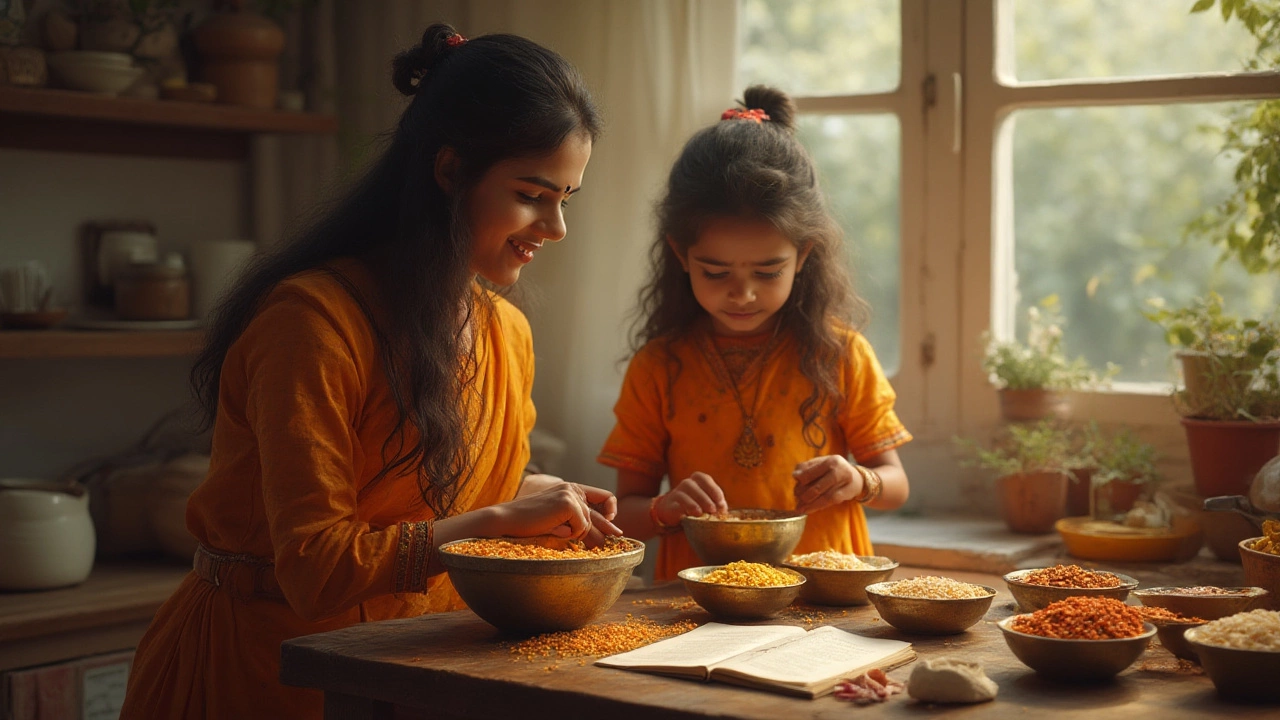
Perfect Urad Dal and Rice Ratio: For Fluffy Idlis, Crisp Dosas & More
Curious about the perfect urad dal and rice ratio for soft idlis or crispy dosas? Find exact measurements, pro tips, and unique tricks in this detailed guide.
Read More