Soft Dosa Tips: How to Get Perfectly Crispy and Fluffy Dosa Every Time
When you’re making soft dosa, a thin, fermented rice and lentil crepe central to South Indian breakfasts. Also known as dosa, it’s meant to be crisp on the edges, soft in the center, and easy to fold—no matter how many times you’ve tried. But if your dosa sticks, tears, or stays doughy, it’s not your pan—it’s the batter and technique.
The secret isn’t just in the recipe. It’s in the fermentation, the natural process where lactic acid bacteria break down starches and sugars, creating gas bubbles that make the batter light and tangy. If your batter doesn’t ferment right, nothing else matters. Most people rush it, use cold water, or skip the warm spot. But fermentation needs time—8 to 12 hours—and warmth. A turned-off oven with the light on works better than your countertop in winter. And don’t add yeast. It speeds things up but kills the flavor and digestibility that traditional fermentation gives you.
Then there’s the rice-to-dal ratio, the balance between parboiled rice and urad dal that determines texture. Too much dal? Your dosa turns rubbery. Too little? It crumbles. The sweet spot is usually 4 parts rice to 1 part urad dal. Soak them separately—rice for 4 hours, dal for 6—and grind them to different textures. Rice should be coarse, dal should be smooth and fluffy. Mix them, let them rise, then thin the batter with water until it flows like heavy cream. If it’s too thick, your dosa will be dense. Too thin? It won’t hold shape.
Heat matters too. Your tawa or griddle needs to be medium-hot—not smoking, not cold. Test it with a drop of water: if it sizzles and dances, you’re good. Brush oil only on the edges, not the whole surface. Pour the batter from the outside in, using the back of the ladle to swirl it thin. Cover with a lid for 30 seconds—this traps steam and keeps the center soft. Then flip it once, just to crisp the other side. No need to cook it through. The steam does the rest.
And don’t forget the dosa batter consistency, the single most overlooked factor. It should pour like a slow-moving river—not watery, not thick paste. If you’ve made dosa before and failed, check this first. Store leftover batter in the fridge for up to 5 days. Let it come to room temperature before using. Cold batter won’t spread right.
You’ll find posts here that explain why your batter turns sour, how to fix it if it’s too thick, and why some people swear by fenugreek seeds. Others will tell you the exact amount of salt to add, or how to make dosa without a tawa. Some even break down why traditional recipes use specific rice varieties like idli rice. All of it ties back to one thing: the simple, repeatable science behind a perfect dosa. No magic. No guesswork. Just clear steps, tested in kitchens across Tamil Nadu, Karnataka, and Kerala.
What follows are real fixes from real cooks—not theories, not trends. Just what works, day after day, in homes where dosa is served with coconut chutney and sambar before the sun is even up.
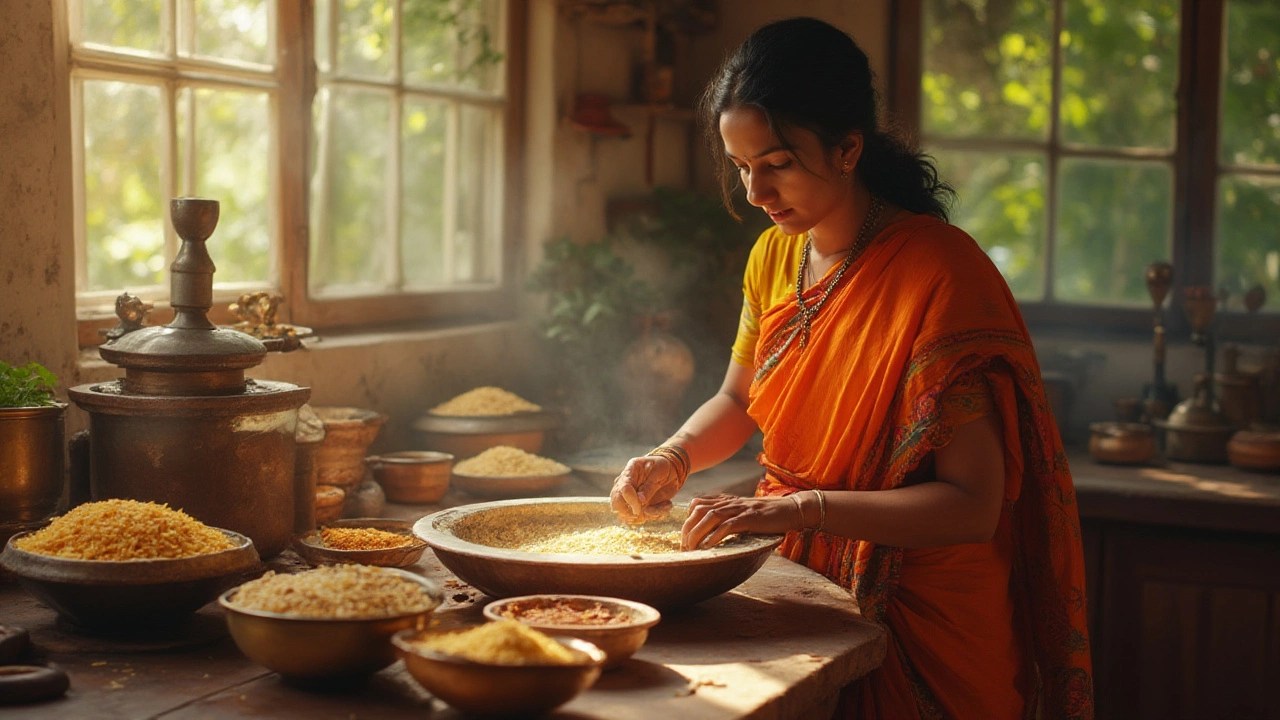
Why Does My Dosa Become Hard? Common Problems & Simple Fixes for Soft, Crispy Dosa
Is your dosa turning hard instead of soft and crisp? Learn why it happens, get proven tips to fix it, and discover secrets for perfect dosas every time.
Read More