Soak-Free Dal: Skip Soaking, Still Get Perfect Lentils Every Time
When you’re making dal, a staple lentil dish in Indian homes, often made with split peas, chickpeas, or lentils and cooked with spices and aromatics. Also known as lentil curry, it’s one of the most common meals in India—eaten daily, passed down through generations, and served with rice, roti, or both. Most guides tell you to soak dal first. But what if you don’t have time? Or forgot? Or just hate waiting? Turns out, you don’t always need to soak it.
Soak-free dal, the practice of cooking lentils without pre-soaking, relies on cooking time, heat control, and water ratio to achieve the same softness. This method works best with smaller dals like masoor, moong, or toor—lentils that cook fast even raw. Larger ones like chana dal or rajma still benefit from soaking, but for everyday meals, skipping it saves 30 minutes to an hour with no real loss in texture. The key? Use enough water, simmer gently, and stir occasionally. Many home cooks in South India and rural North India cook dal straight from the packet—no soaking, no fuss. They know the trick: bring it to a boil, skim off foam, then lower the heat and let it simmer until it falls apart. That’s it.
Some people worry that unsoaked dal is harder to digest. But digestion issues come from overcooking, undercooking, or adding cold water mid-cook—not from skipping the soak. In fact, traditional methods often skip soaking because they rely on pressure cookers or long, slow stovetop simmering. If you’re using a pressure cooker, you can skip soaking entirely and still get creamy dal in under 15 minutes. If you’re on the stove, just add a pinch of baking soda—it helps soften the skins faster without changing flavor.
What about nutrients? Soaking reduces phytic acid, which some say blocks mineral absorption. But the real difference? Minimal. Cooking does most of the work. And if you’re eating dal with rice, roti, or yogurt, your body gets plenty of help breaking things down. The real win? Time saved. Energy saved. Less cleanup. More meals made.
And here’s the thing—most of the recipes you’ll find below don’t even mention soaking. They assume you’re just grabbing dal from the shelf and heading to the pot. That’s why you’ll see tips on water ratios, spice timing, and how to fix watery or mushy dal without starting over. You’ll learn why some dals turn bitter if boiled too fast, how to use turmeric to deepen flavor without overpowering, and which dals hold shape best for salads or side dishes.
Whether you’re rushing before work, cooking for kids, or just tired of planning ahead, soak-free dal is your shortcut to real, home-cooked flavor. No magic. No special tools. Just smart cooking. Below, you’ll find real stories from real kitchens—how to fix dal that’s too thick, how to make it creamy without cream, and why some moms never soak at all.
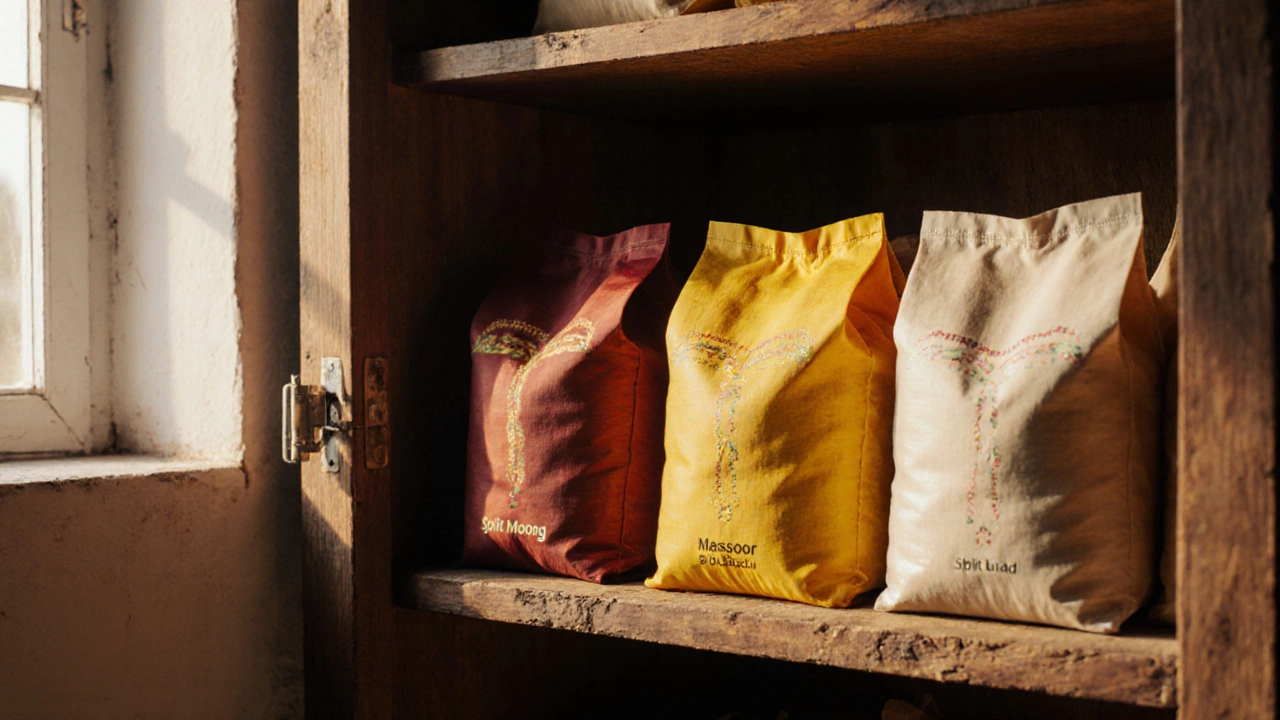
No‑Soak Dals: Which Lentils Cook Fast Without Soaking
Discover which dal varieties cook fast without soaking, learn quick cooking methods, and get simple no‑soak dal recipes for stovetop, pressure cooker, or Instant Pot.
Read More