Safe Travel India: Eat Street Food Without Getting Sick
When you travel to India, safe travel India, the practice of enjoying local food while avoiding illness through smart choices and awareness. It's not about avoiding street food—it's about knowing how to pick the right stalls, what to order, and how to protect yourself without turning your trip into a health scare. Many travelers worry about getting sick, but the truth is, millions eat street food in India every day without issues. The difference? They know what to look for.
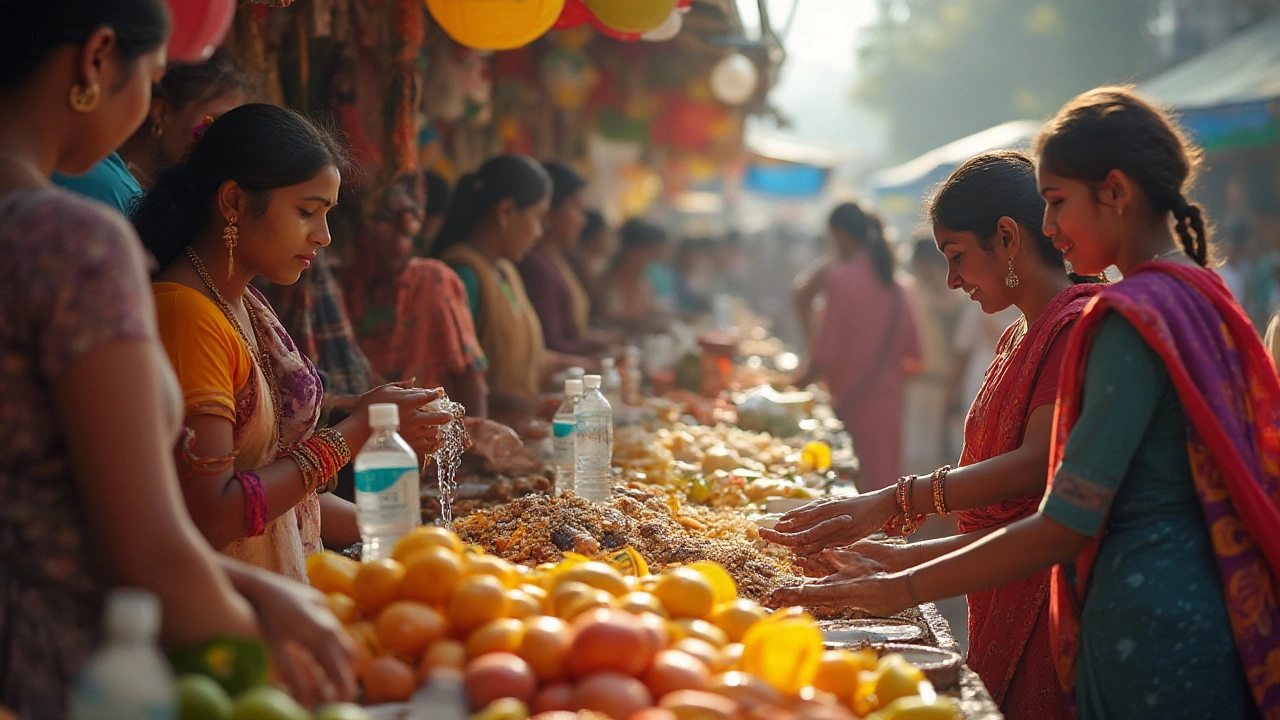
street food India, vibrant, affordable meals sold by vendors on sidewalks, markets, and busy corners across the country. This isn't just snacks—it's the heartbeat of Indian cuisine. From crispy dosas and spicy chaat to hot samosas and fresh jalebis, these foods are made daily, often in front of you. The key to enjoying them safely? Look for high turnover. If a vendor is selling 50 dosas an hour, the ingredients are fresh, the oil is hot, and the food isn't sitting around. Avoid stalls where food sits under a plastic cover for hours. Heat kills bacteria. If it's piping hot when it hits your plate, you're in good shape. Also, skip raw salads and unpeeled fruit unless you're sure they were washed in clean water. Stick to cooked foods, boiled eggs, and things you can peel yourself.
Indian street food safety, a set of practical habits travelers use to reduce risk while experiencing authentic local flavors. It’s not about fear—it’s about control. Drink only bottled or sealed water. Avoid ice unless you know it’s made from purified water. Carry hand sanitizer. Watch how the vendor handles money and food—do they wash their hands? Do they use clean utensils? These small signs matter more than any rulebook. And if you do feel off, don’t panic. Most cases are mild and pass in a day or two. Stay hydrated, rest, and avoid heavy or spicy food until you feel better. The biggest mistake travelers make? Assuming all street food is risky. It’s not. Many of India’s most loved dishes—like pani puri, vada pav, and bhel puri—are made with ingredients that naturally resist spoilage: vinegar, lime, chili, and hot oil. These aren’t just flavors—they’re preservatives.
avoid illness in India, a strategy centered on hygiene awareness, food temperature, and water source control. It’s not complicated. Stick to busy stalls. Eat where locals eat. Don’t be shy to ask if the oil is fresh or if the milk is pasteurized. Most vendors will smile and say yes. And if you’re unsure? Go for dry snacks—khakhra, sev puri, roasted nuts. They’re safe, tasty, and easy to carry. You don’t need to avoid Indian food to stay healthy. You just need to eat smart. The posts below give you real, tested advice—how to spot clean vendors, which dishes are safest, what to do if you get sick, and even the slang to use when ordering so you blend in like a local. This isn’t theory. It’s what works.
Smart Ways to Prevent Stomach Problems While Traveling in India
Discover practical tips for avoiding a bad stomach while visiting India. Get real advice on staying healthy, eating safely, and what to watch out for with local foods.
Read More