Rice and Dal: The Heart of Indian Meals with Simple, Perfect Pairings
When you think of a true Indian meal, rice and dal, a foundational combination of cooked lentils and steamed rice, eaten daily across India. Also known as dal chawal, it’s not just a dish—it’s the backbone of home cooking from Mumbai to Manipur. This pairing isn’t fancy, but it’s perfect. It’s what mothers make after a long day, what students eat on a budget, and what grandmothers swear by for digestion and energy. You won’t find a single Indian household that doesn’t serve this at least once a week.
Dal, a lentil-based stew made from split peas, chickpeas, or urad beans, simmered with spices and often finished with tarka is the protein and comfort in this meal. Different regions use different dals—yellow toor dal in the south, black urad in the north, masoor in the west—but they all follow the same rule: slow-cooked until soft, never mushy. And rice, usually basmati or local short-grain varieties, cooked just right to be fluffy but not sticky? It’s the blank canvas that lets the dal shine. Together, they make a complete protein—something science confirms, but Indians have known for centuries.
Why does this combo work so well? Because it’s balanced. The dal gives you fiber and iron, the rice gives you quick energy, and a spoon of ghee or a side of pickle turns it into something soul-satisfying. It’s not just about taste—it’s about rhythm. In Indian homes, rice and dal is breakfast, lunch, and dinner, depending on the day. It’s what you eat when you’re sick, what you serve guests when you don’t have time to cook, and what you crave after a long day. You’ll find this pairing in the posts below—not as a recipe, but as a lifestyle. We’ll show you how to fix watery dal, why soaking dal matters, what to serve with it beyond roti, and why some people avoid eating it at night. You’ll also learn how the same dal can taste different with the right rice-to-water ratio, or how fermentation in dosa batter relates to the same principles that make dal digestible. This isn’t a trend. It’s tradition, refined by generations of cooks who knew that the best meals don’t need complexity—just care.
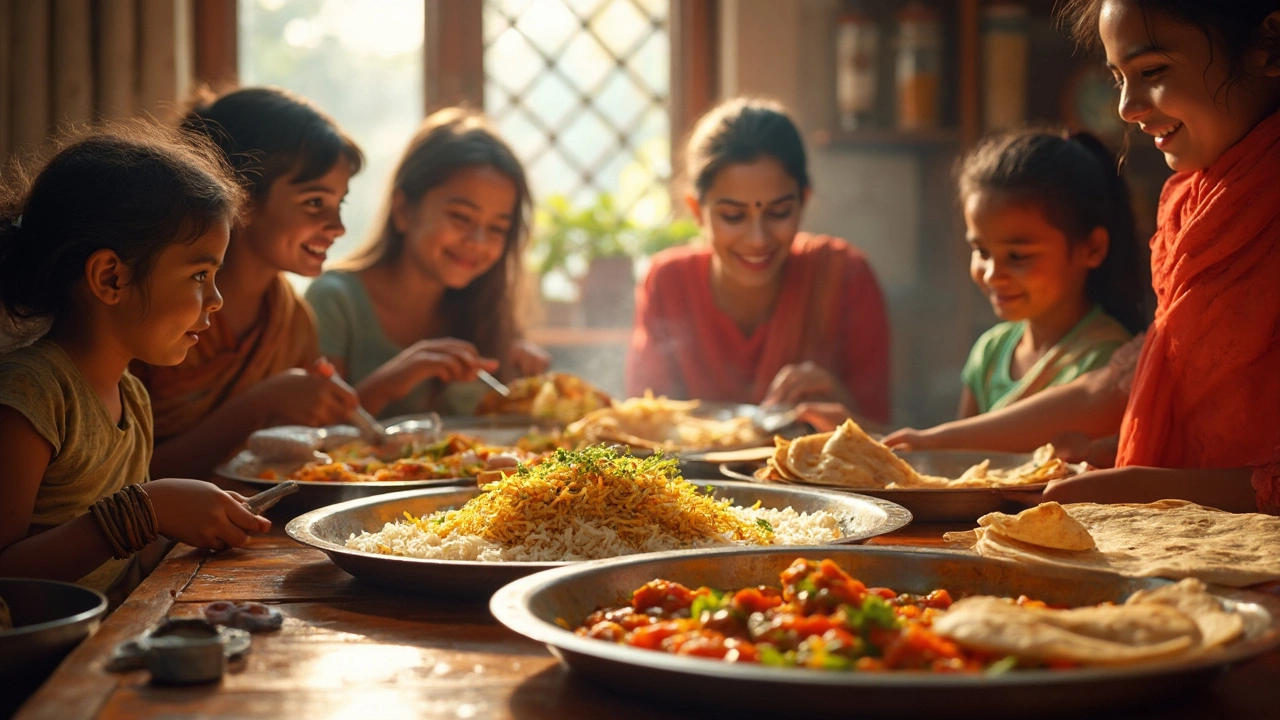
Most Common Indian Meal: What’s Actually On the Table?
Ever wondered what the most common Indian meal really is? This article breaks it down, explains the classic combinations found in Indian homes, and why these dishes are so popular. You'll also learn quick cooking tips and some surprising facts about daily Indian food habits. Simple recipes and smart substitutes will help you bring Indian flavors to your own kitchen. Great for beginners who want to get a true taste of Indian home cooking.
Read More